Pakistan's SBN network honey-trapped families of 6 Bengal ministers via JeM-linked aide
Synopsis
Pakistan's Shahzad Bhatti Network didn't just target politicians — it went after their families. Using a social media influencer as a honey-trap operative, the network bypassed its own local recruiter to run an independent intelligence-gathering operation inside West Bengal's cabinet circles. The use of British and Mexican SIM cards by Pakistani handlers signals a sophisticated, multi-layered counter-surveillance effort.
Key Takeaways
The Shahzad Bhatti Network (SBN) , a Pakistan-based terrorist-criminal group, targeted families of at least 6 West Bengal cabinet ministers .
Arpita Sarkar , a social media influencer and aide to suspected JeM associate Hamim Mondal , was the primary honey-trap operative.
Mondal was arrested from Burdwan town, East Burdwan district ; Sarkar was arrested the same night from Sahibganj, Jharkhand .
SBN handlers eventually bypassed Mondal and contacted Sarkar independently, indicating her elevated operational value.
Pakistani handlers used social media handles including 'Rana' , 'Uzair' , 'Abid Jat333' , and 'Hamad' , and reportedly used SIM cards from Britain and Mexico .
Two mobile phones seized from Sarkar are being examined by cyber experts to crack encrypted communications.
A Pakistan-based terrorist-criminal organisation known as the Shahzad Bhatti Network (SBN) systematically targeted the family members of at least six sitting West Bengal cabinet ministers through Arpita Sarkar, the female aide of suspected Jaish-e-Mohammed (JeM) associate Hamim Mondal, according to findings from an ongoing investigation by the Special Task Force (STF) of the Bengal Police. The operation, centred on honey-trapping and classified information extraction, was coordinated via encrypted messages across multiple social media platforms.
How the Operation Was Structured
According to investigators, Sarkar was initially recruited into the network by Mondal, who subsequently introduced her to SBN handlers based in Pakistan. Over time, the handlers began bypassing Mondal entirely, contacting Sarkar independently and issuing instructions directly to her — a sign, sources said, of how valuable they considered her access and reach.
Beyond the families of cabinet ministers, investigators have also found that other influential figures within West Bengal's administrative machinery were targeted through Sarkar as part of the same honey-trapping scheme. Her social media reels, circulated across multiple platforms, reportedly served as the primary tool to attract targets.
Arrests and Evidence Seized
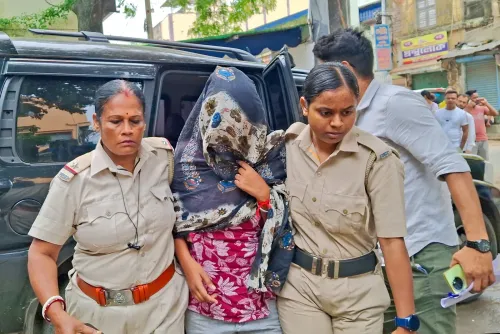
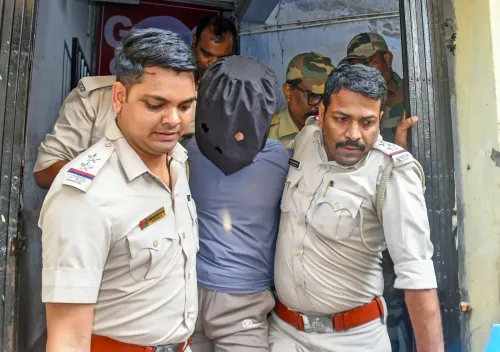
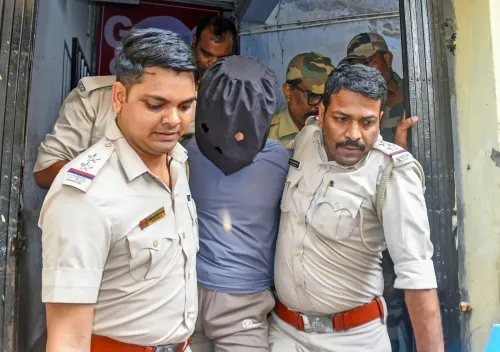
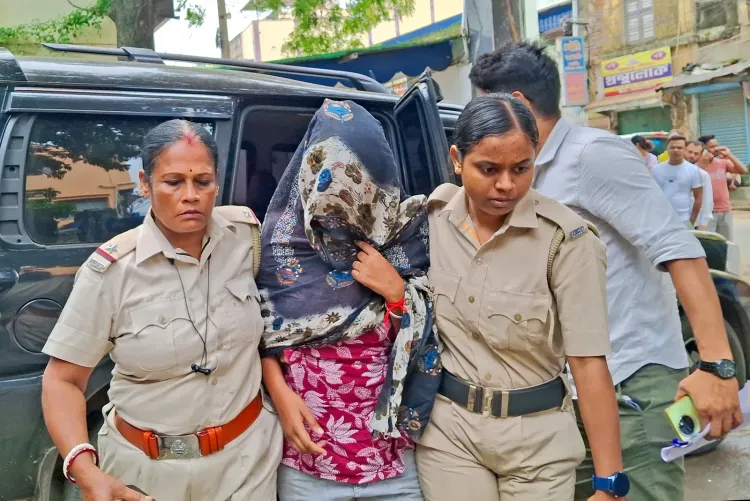
Both Mondal and Sarkar were arrested last week by STF sleuths. Mondal was the first to be taken into custody, apprehended from Burdwan town in East Burdwan district of West Bengal on a Friday morning. Sarkar — also a social media influencer — was arrested the same night from Sahibganj in neighbouring Jharkhand.
Two mobile phones belonging to Sarkar have been seized by the STF. Forensic and cyber experts are reportedly working to decrypt coded and encrypted communications exchanged between Sarkar and the SBN handlers stored on these devices.
Pakistani Handlers and International SIM Cards
Following interrogation of both accused, investigators tracked multiple social media handles — identified as 'Rana', 'Uzair', 'Abid Jat333', and 'Hamad', among others — all of which are believed to belong to Pakistani operatives. Notably, these handlers also reportedly used SIM cards registered in Britain and Mexico, pointing to a deliberate effort to obscure their digital trail and complicate jurisdictional tracing.
What the Investigation Has Established So Far
According to sources familiar with the investigation, initial findings indicate that Sarkar was tasked with cultivating contacts among influential individuals in West Bengal — including politicians — with the sole objective of extracting classified information. During interrogation, Mondal reportedly confessed to having introduced Sarkar to the SBN network.
This case represents a significant escalation in the documented reach of Pakistan-based terror-linked networks into Indian state-level political circles. The STF investigation is ongoing, and further arrests have not been ruled out, sources said.
Point of View
Accessible intelligence source. The use of SIM cards from Britain and Mexico is not incidental; it reflects a deliberate jurisdictional arbitrage designed to frustrate Indian law enforcement. Mainstream coverage has focused on the arrests, but the deeper question — how many contacts Sarkar actually cultivated, and what information may have already been extracted — remains unanswered and deserves urgent public scrutiny.
NationPress
17 Sept 2026
Frequently Asked Questions
What is the Shahzad Bhatti Network (SBN)?
The Shahzad Bhatti Network (SBN) is a Pakistan-based terrorist-criminal organisation that, according to Bengal Police STF findings, has been running intelligence-gathering and honey-trapping operations targeting influential individuals in India, including West Bengal cabinet ministers' family members.
Who are Arpita Sarkar and Hamim Mondal?
Hamim Mondal is a suspected associate of the Jaish-e-Mohammed (JeM) terror group who recruited Arpita Sarkar into the SBN network. Sarkar, also a social media influencer, allegedly cultivated contacts with politicians and officials in West Bengal to extract classified information. Both were arrested by the Bengal Police STF last week.
How did the honey-trapping operation work?
According to investigators, Sarkar used social media reels to attract influential individuals in West Bengal, then established personal contacts with the aim of extracting classified information. SBN handlers communicated with her via encrypted messages on multiple platforms, eventually directing her independently of Mondal.
Where were the accused arrested?
Hamim Mondal was arrested from Burdwan town in East Burdwan district, West Bengal, on a Friday morning. Arpita Sarkar was arrested the same night from Sahibganj in Jharkhand. Two mobile phones seized from Sarkar are currently being analysed by cyber experts.
How did Pakistani handlers try to conceal their identity?
Investigators found that Pakistani handlers operated under social media aliases including 'Rana', 'Uzair', 'Abid Jat333', and 'Hamad', and reportedly used SIM cards registered in Britain and Mexico to mask their location and evade detection by Indian authorities.