Why is Pakistan Shifting from Jaish-e-Mohammad to Lashkar-e-Taiba?
Synopsis
Recent intelligence reveals Pakistan's strategic shift towards Lashkar-e-Taiba, sidelining Jaish-e-Mohammad after humiliating defeats in Operation Sindoor. This article explores the implications of this change on regional security dynamics and the ongoing struggles within Pakistani terror factions.
Key Takeaways
Pakistan is shifting its support from Jaish-e-Mohammad to Lashkar-e-Taiba.
Operation Sindoor resulted in significant losses for both terror groups.
Masood Azhar's leadership is weakened, impacting Jaish's morale.
Lashkar has historically obeyed ISI directives without rebellion.
Pakistan's relationship with the Afghan Taliban is deteriorating.
New Delhi, Dec 1 (NationPress) Indian intelligence agencies have discovered that the Pakistan establishment is increasingly favoring Lashkar-e-Taiba over Jaish-e-Mohammad. This shift has been observed since the aftermath of Operation Sindoor, during which both terror groups faced significant setbacks inflicted by the Indian military.
Major operations targeting India have now been assigned to Lashkar-e-Taiba, while Jaish-e-Mohammad appears to be sidelined. Officials monitoring the situation cite several reasons for this preference.
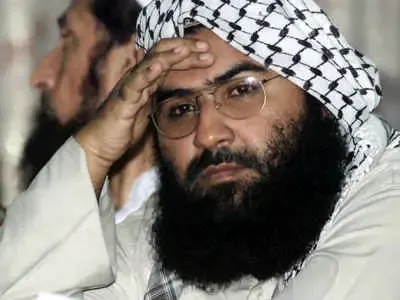
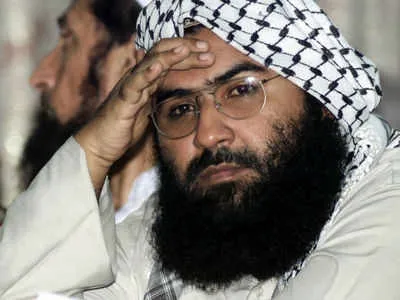
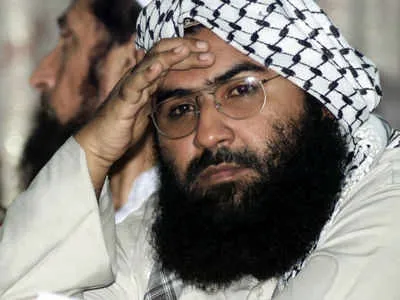
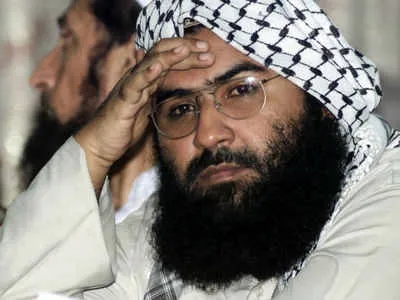
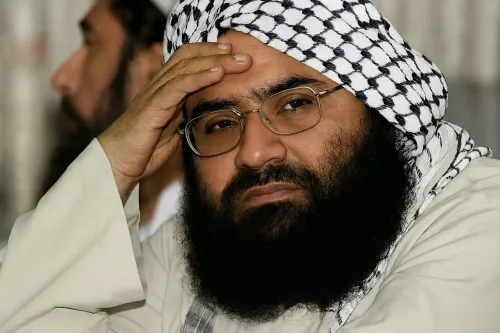
The transition gained momentum following Operation Sindoor. Jaish-e-Mohammad suffered extensive losses, particularly personal ones. Their leader, Masood Azhar, not only saw his headquarters destroyed but also lost several family members, leaving him in a fragile state and reportedly hospitalized in Rawalpindi. An Intelligence Bureau official noted that recent video and audio material attributed to him is outdated and being repurposed by aides to maintain morale among disheartened operatives.
Officials assert that the declining morale stems not only from Azhar's inactivity but also from Jaish's deteriorating relationship with the Afghan Taliban. Historically, Jaish has maintained a strong rapport with the Taliban, with many members previously engaged in combat against Western forces in Afghanistan.
Currently, relations between Pakistan and the Afghan Taliban are at their lowest. Pakistan's military actions in Afghanistan have caused unrest within Jaish's leadership.
Azhar had envisioned a united front against India, working alongside the Taliban and Tehreek-e-Taliban (TTP). However, miscalculations have resulted in a scenario where Pakistan is confronted by both the Taliban and TTP on separate fronts. Unfounded allegations of Taliban support for TTP have further strained ties.
Experts suggest that Jaish considers members of both the Taliban and TTP as allies, and the shifting dynamics have not been welcomed.
In light of this distrust, Pakistan has reverted to its traditional proxy, Lashkar. This group’s leadership has consistently adhered to directives from the ISI and the military. The only notable instance of dissent occurred in 2007 when Lashkar members expressed a desire to support the Taliban against Western forces, but the ISI dissuaded this action by orchestrating the Mumbai 26/11 attacks as a distraction.
Recently, the ISI has kept Lashkar chief Hafiz Saeed actively engaged. Most terror launch pads along the Line of Control (LoC) are operated by Lashkar. Saeed is also overseeing operations of terror factions in Bangladesh and is expected to visit soon to engage with various terror groups. Additionally, he has been tasked with revitalizing Lashkar's women's division and establishing launch pads in both Bangladesh and across the LoC aimed at striking India.
When inquired about the possibility of Jaish rebelling against the Pakistani establishment, an Intelligence Bureau official deemed the chances low in the immediate future. Nevertheless, if trust issues persist, the risk of rebellion remains significant, as Jaish has previously acted against the state, notably in an assassination attempt on former President General Pervez Musharraf.
Point of View
It's evident that the shifting allegiance within Pakistan’s terror groups reflects deeper operational challenges. The Pakistani establishment must navigate complex relationships and internal rivalries while addressing external threats. Our commitment remains unwavering in reporting these developments with integrity and clarity.
NationPress
30 Sept 2026
Frequently Asked Questions
What prompted Pakistan's shift towards Lashkar-e-Taiba?
The shift is primarily a result of significant losses faced by Jaish-e-Mohammad during Operation Sindoor, leading to a decline in morale and effectiveness.
How does this change impact India's security?
Increased focus on Lashkar-e-Taiba could lead to intensified attacks against India, necessitating heightened vigilance and response strategies.
What is Operation Sindoor?
Operation Sindoor was a military engagement where both Jaish-e-Mohammad and Lashkar-e-Taiba encountered severe defeats at the hands of Indian armed forces.
What role does Hafiz Saeed play in this situation?
Hafiz Saeed, as the chief of Lashkar, is being actively engaged by the ISI to oversee operations and establish terror launch pads targeting India.
Could Jaish-e-Mohammad rebel against Pakistan?
While currently unlikely, persistent distrust with the Pakistani establishment could lead to potential insurrections, as evidenced by their previous attempts.