Sachin Pilot Hits AAP at Gurdaspur Congress Meet
Synopsis
Congress general secretary Sachin Pilot attended a party workers' meeting in Gurdaspur on October 19, 2026, accusing the AAP government of misgovernance and administrative failures that have stalled Punjab's progress, in a coordinated show of strength ahead of the 2027 state elections.
Key Takeaways
Congress general secretary Sachin Pilot attended a party workers' meeting in Gurdaspur, Punjab on October 19, 2026 .
Pilot accused the AAP government of 'misgovernance and administrative failures' that have 'severely hindered Punjab's progress.' Senior Punjab Congress leaders including former CM Charanjit Singh Channi , Partap Singh Bajwa , and Sukhjinder Singh Randhawa were part of the gathering.
AAP came to power in Punjab after sweeping the 2022 state assembly elections , ending Congress rule.
The meeting is part of Congress's sustained district-level outreach strategy since losing power in 2022 .
Punjab is due to hold its next assembly election in 2027 , making such mobilisation exercises politically significant.
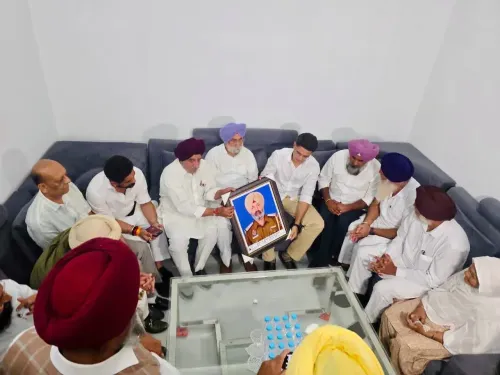
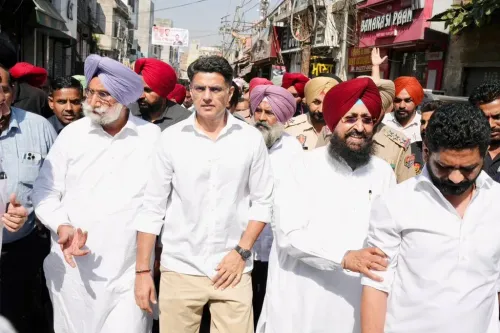
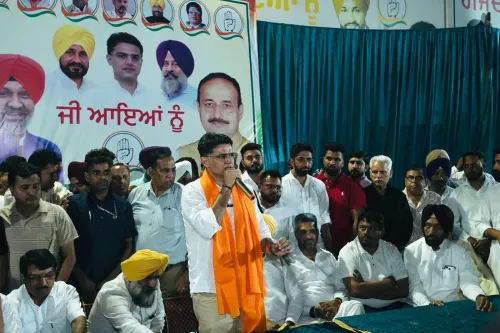
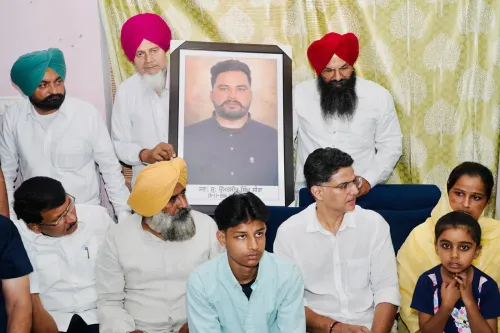
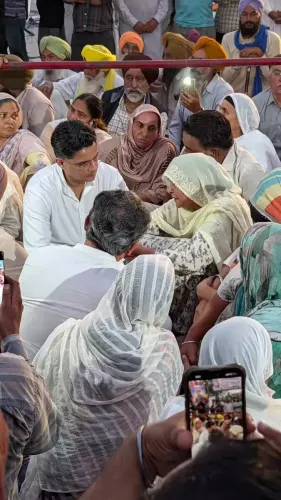
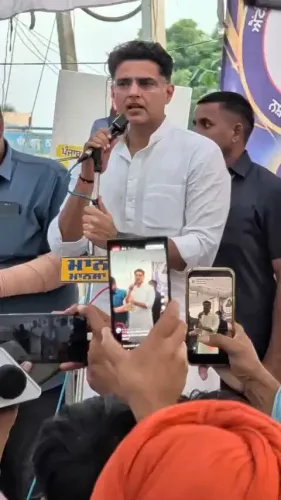
Opposition politics in Punjab sharpened on Monday, October 19, 2026, when Congress general secretary and Chhattisgarh in-charge Sachin Pilot travelled to Gurdaspur to address a meeting of party workers — and delivered a pointed indictment of the Aam Aadmi Party government's record in the state.
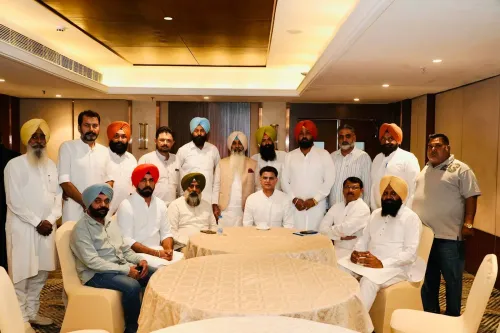
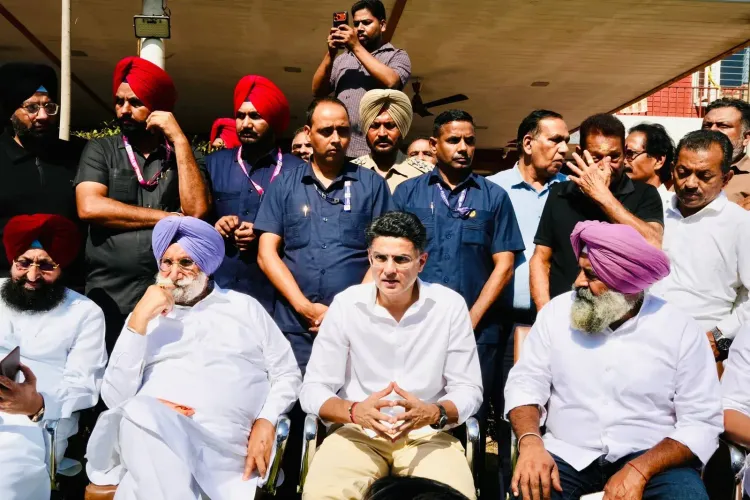
Pilot declared that 'misgovernance and administrative failures of AAP have severely hindered Punjab's progress and undermined the aspirations of its people.' The gathering brought together senior Punjab Congress leaders including former Chief Minister Charanjit Singh Channi, Partap Singh Bajwa, Raja Warring, and Sukhjinder Singh Randhawa, signalling a coordinated show of organisational strength ahead of the 2027 Punjab assembly elections.
Gurdaspur as a Flashpoint for Congress's Punjab Comeback
Gurdaspur district, tucked against Punjab's border with Himachal Pradesh and Pakistan, carries symbolic weight in the state's political geography — a constituency that has swung between parties across cycles and commands attention from national leaders on both sides. Pilot's choice to anchor this workers' meeting here underlines Congress's intent to rebuild grassroots infrastructure in every corner of Punjab, not just its urban strongholds.
The party lost power in Punjab when AAP swept the 2022 Punjab Legislative Assembly elections with a landslide majority, ending Congress's term in government and pushing it into the role of principal opposition. Since then, Congress leaders have held a steady drumbeat of district-level meetings, framing each one as evidence of a party listening to the ground — and contrasting that posture with what they call an inattentive AAP administration.
The Opposition Playbook — and What It Signals for 2027
Pilot's message at Gurdaspur follows a well-worn but effective opposition template in Indian state politics: document perceived governance gaps, amplify local grievances through senior national faces, and build the scaffold for a credible electoral challenge well before the campaign season. With the 2027 Punjab assembly elections roughly a year out, every such meeting doubles as a voter-mobilisation exercise.
The roll-call of leaders tagged in his post — from Channi to Balbir Singh and Vijay Inder Singla — suggests a deliberate effort to present Punjab Congress as a united front. Factional fault-lines have historically complicated the party's Punjab story; a coordinated public appearance is itself a message.
Whether Congress can convert organisational activity into electoral momentum will depend on whether the governance critique lands with voters who gave AAP an overwhelming mandate just four years ago. The party that promises accountability has to first prove it can hold together — and Gurdaspur, on a Monday evening in October, was one more step in that long argument.
Point of View
Addressing a persistent perception that the party's Punjab unit remains fractured. With AAP consolidating its first full term in government, Congress faces the structural challenge of rebuilding voter trust without the advantages of incumbency — making consistent street-level presence its most credible weapon entering the 2027 cycle.
NationPress
19 Oct 2026
Frequently Asked Questions
Why did Sachin Pilot visit Gurdaspur in October 2026?
Pilot attended a Congress party workers' meeting in Gurdaspur on October 19, 2026, to rally the party's organisational base and criticise the AAP government's governance record in Punjab.
What did Sachin Pilot say about the AAP government in Punjab?
He stated that 'misgovernance and administrative failures of AAP have severely hindered Punjab's progress and undermined the aspirations of its people.'
When did AAP come to power in Punjab?
AAP won the Punjab Legislative Assembly elections in 2022 by a large majority, ending Congress rule in the state.
Which Congress leaders attended the Gurdaspur meeting with Sachin Pilot?
The meeting included senior Punjab Congress figures such as former Chief Minister Charanjit Singh Channi, Partap Singh Bajwa, Raja Warring, Sukhjinder Singh Randhawa, and Vijay Inder Singla, among others.
When is the next Punjab assembly election?
The next Punjab state assembly election is expected in 2027 , and Congress's current district-level outreach is widely seen as early groundwork for that contest.