PM Modi Arrives at Parliament for NDA 'Mangal Milan' Meet
Synopsis
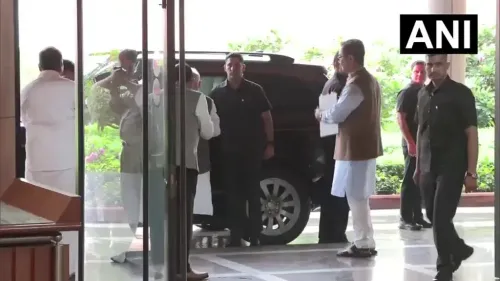
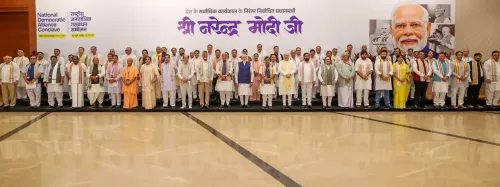
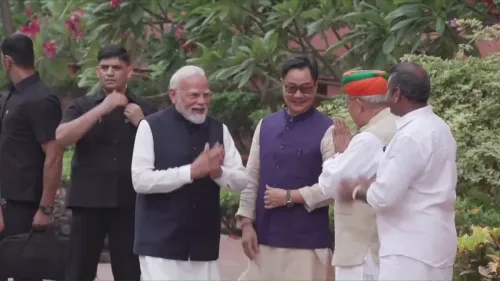
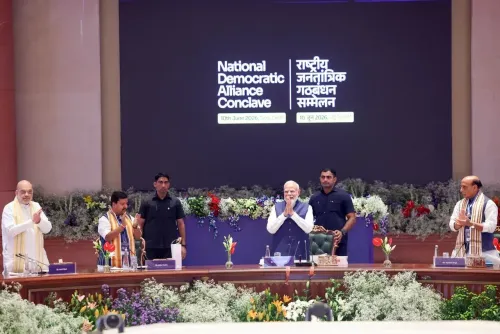
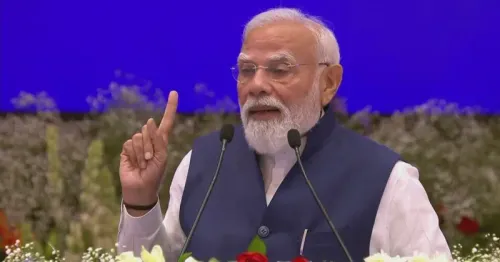
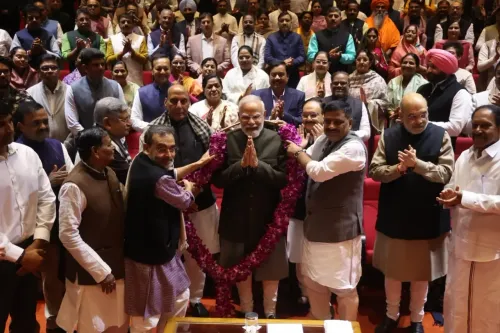
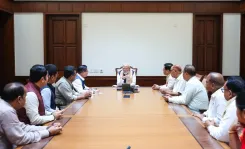
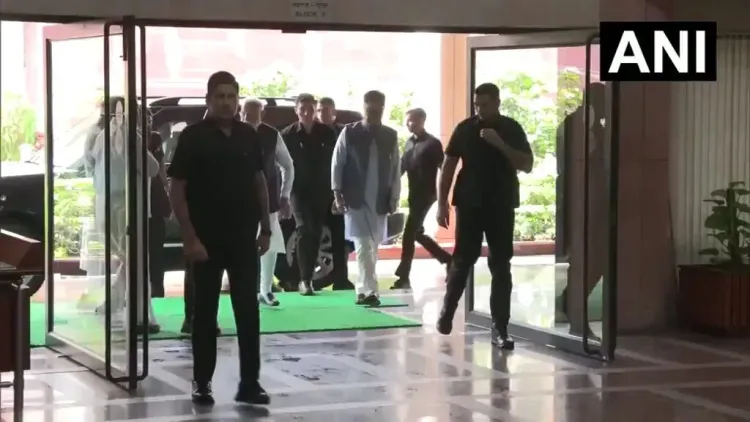
Prime Minister Narendra Modi arrived at Parliament on 28 July 2026 to attend the NDA Parliamentary Party's 'Mangal Milan' meeting. Union Minister Dr. Jitendra Singh shared the update on X. The gathering is a routine coalition-management exercise aimed at aligning NDA lawmakers on legislative priorities during the Monsoon Session.
Key Takeaways
PM Narendra Modi arrived at Parliament on 28 July 2026 to attend the NDA Parliamentary Party's 'Mangal Milan' meeting.
The update was shared by Union Minister Dr.
Jitendra Singh , who holds charge of Science and Technology, Earth Sciences, and serves as MoS in the Prime Minister's Office .
The National Democratic Alliance , in power since 2014 , uses such Parliamentary Party meetings to coordinate legislative strategy among coalition partners. 'Mangal Milan' gatherings typically take place during active parliamentary sessions, including the Monsoon Session and Winter Session .
NDA MPs from both Lok Sabha and Rajya Sabha , along with coalition partner leaders, are the key participants in such meetings.
Union Science and Technology Minister Dr. Jitendra Singh announced on Tuesday, 28 July 2026 that Prime Minister Narendra Modi had arrived at Parliament to attend the National Democratic Alliance (NDA) Parliamentary Party's 'Mangal Milan' meeting.
Context
The 'Mangal Milan' gathering brings together NDA lawmakers from across the coalition under one roof, serving as a platform for the ruling alliance to align on legislative priorities and reinforce coalition solidarity. Dr. Jitendra Singh, who holds charge as Union Minister of State (Independent Charge) for Science and Technology and Earth Sciences and also serves as a Minister of State in the Prime Minister's Office, shared the update on his official X account on the morning of 28 July 2026.
Prime Minister Modi's personal presence at such gatherings underscores the importance the government attaches to maintaining cohesion among its coalition partners during active parliamentary sessions.
Policy Backdrop
The National Democratic Alliance, constituted in 1998 as a broad coalition anchored by the Bharatiya Janata Party, has been in power at the Centre continuously since 2014. Parliamentary party meetings have been a standard mechanism for coordinating legislative strategy among NDA allies across successive Lok Sabha and Rajya Sabha sessions.
Such meetings typically occur at the start of or during the Monsoon Session and Winter Session of Parliament, briefing allies on government priorities and upcoming legislative business. The practice reflects the enduring centrality of coalition management in India's federal parliamentary system, particularly in periods when the ruling alliance governs through a multi-party arrangement.
Stakeholders and Impact
NDA Members of Parliament from both Lok Sabha and Rajya Sabha, along with senior leaders of coalition partner parties, are the primary participants in such meetings. The gatherings serve as a direct channel between the Prime Minister's office and the wider parliamentary group, ensuring that floor strategy and legislative messaging remain coordinated.
For coalition partners, these sessions offer a formal opportunity to raise concerns, signal priorities, and receive direction on voting positions and key bills expected to come up during the session. The smooth functioning of the NDA's parliamentary arithmetic depends significantly on the regularity and quality of such internal consultations.
What's Next
Attention will now turn to the proceedings and outcomes of the ongoing Monsoon Session of Parliament, including any floor coordination announcements, legislative business listed by the NDA, and statements emerging from the 'Mangal Milan' deliberations. Any policy signals or legislative priorities communicated by PM Modi to NDA lawmakers at the meeting are likely to shape the alliance's parliamentary conduct in the days ahead.
Point of View
Such direct engagement by the Prime Minister helps pre-empt dissent and consolidate floor discipline before critical legislative votes. The fact that a senior PMO minister chose to publicly flag the Prime Minister's arrival reflects the government's interest in projecting unity and momentum. This fits a broader pattern of the NDA using periodic parliamentary gatherings as both a coordination tool and a public-relations exercise to demonstrate coalition cohesion.
NationPress
28 Jul 2026
Frequently Asked Questions
What is the NDA Parliamentary Party 'Mangal Milan' meeting?
The 'Mangal Milan' is a gathering of National Democratic Alliance lawmakers from both Houses of Parliament, convened to align coalition partners on legislative priorities and reinforce internal cohesion during active parliamentary sessions.
Why did PM Modi attend the NDA Parliamentary Party meeting on 28 July 2026?
PM Modi attended the 'Mangal Milan' meeting to engage directly with NDA lawmakers and coalition partners, a standard practice for coordinating the alliance's legislative strategy during the Monsoon Session of Parliament.
Who is Dr. Jitendra Singh and why did he post about PM Modi's arrival?
Dr. Jitendra Singh is the Union Minister of State (Independent Charge) for Science and Technology and Earth Sciences, and also a Minister of State in the Prime Minister's Office. As a senior government minister and NDA member, he shared the update on his official X account.
How often does the NDA hold Parliamentary Party meetings?
NDA Parliamentary Party meetings are held periodically, typically at the start of or during major parliamentary sessions such as the Monsoon Session and Winter Session, to brief allies on government priorities and coordinate floor strategy.
What is the significance of the NDA Parliamentary Party meeting during the Monsoon Session?
During the Monsoon Session, the NDA Parliamentary Party meeting is significant because it sets the legislative agenda, aligns coalition partners on key bills, and ensures coordinated voting positions in both Lok Sabha and Rajya Sabha.