Congress fields Rahul, Priyanka Gandhi for Lok Sabha anti-paper leak Bill debate
Synopsis
Congress is sending its biggest names — Rahul Gandhi, Priyanka Gandhi, K.C. Venugopal, and Jothimani Sennimalai — to the Lok Sabha floor for the anti-paper leak Bill debate, signalling the opposition's intent to make examination fraud a high-stakes political battleground. The bill proposes up to 10-year jail terms, ₹10 crore fines, and three-month trial mandates.
Key Takeaways
Rahul Gandhi , Priyanka Gandhi , K.C.
Venugopal , and Jothimani Sennimalai will represent Congress in the Lok Sabha debate on 28 July .
The Public Examinations (Prevention of Unfair Means) Amendment Bill, 2026 was introduced by Minister of State Jitendra Singh on Monday.
Key penalties include imprisonment up to 10 years , fines up to ₹10 crore , and asset confiscation.
Fast-track courts will be mandated to deliver verdicts within three months .
The bill follows weeks of mass protests in New Delhi over paper leaks and examination fraud.
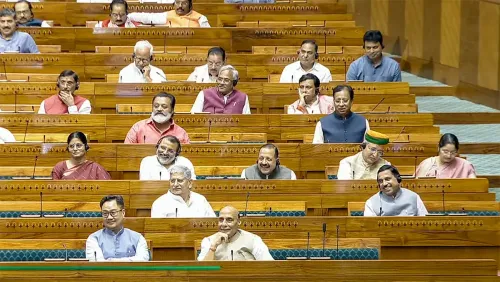
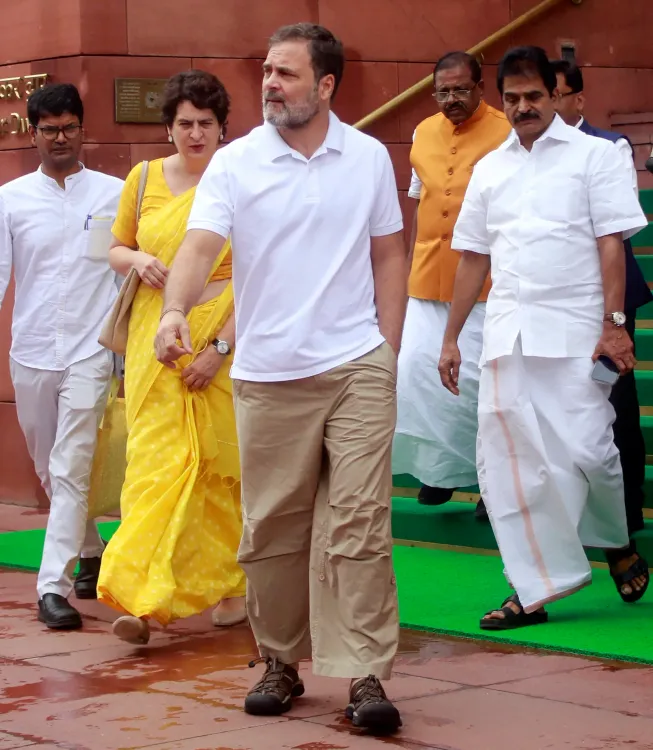
Congress leader and Leader of Opposition Rahul Gandhi, along with MPs Priyanka Gandhi, K.C. Venugopal, and Jothimani Sennimalai, are set to speak on behalf of the Indian National Congress in the Lok Sabha during the debate on the anti-paper leak Bill on Tuesday, 28 July. The party's decision to field its top leadership signals the political weight it attaches to the legislation.
The Bill and Its Key Provisions
The Public Examinations (Prevention of Unfair Means) Amendment Bill, 2026, was introduced in the Lok Sabha on Monday by Minister of State for Personnel Jitendra Singh. It seeks to amend the Public Examinations (Prevention of Unfair Means) Act, 2024, with significantly toughened enforcement mechanisms.
Among the bill's most notable features are imprisonment of up to 10 years, fines of up to ₹10 crore, and the confiscation of assets of those convicted. Crucially, the legislation mandates the establishment of fast-track courts with a binding requirement to complete trials and deliver judgments within three months.
Background: Protests and Political Pressure
The bill comes in the wake of weeks of large-scale protests in New Delhi over examination fraud and paper leaks — controversies that shook public confidence in competitive recruitment and entrance examinations. The Union Cabinet had cleared the bill and its related provisions, following a public commitment by Prime Minister Narendra Modi that comprehensive legislation with strong anti-leak provisions would be brought before Parliament.
This is the second legislative intervention on examination integrity in two years, with the 2024 Act now being strengthened amid mounting pressure from students and civil society.
Proceedings in the House
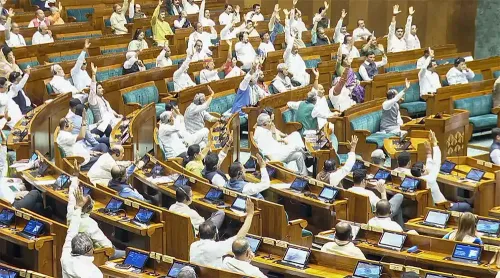
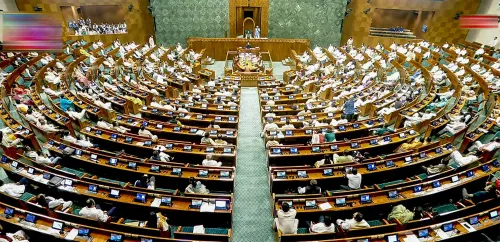
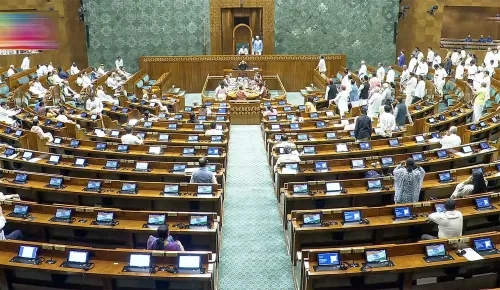
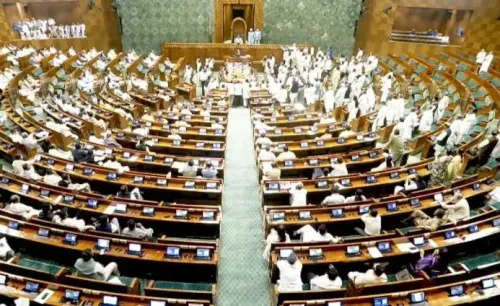
Lok Sabha Speaker Om Birla announced on Tuesday morning that the House would take up the bill for discussion at 2 pm. He urged members to refrain from disrupting proceedings during Question Hour, but the House was adjourned until 2 pm amid continued disorder — a pattern that has marked several sessions this term.
What Happens Next
With Congress deploying its most prominent faces — including the Leader of Opposition and the party's sitting general secretary — the floor debate is expected to be pointed, with scrutiny likely focused on implementation timelines and the independence of proposed fast-track courts. The bill's passage, if it clears the House, would mark a significant escalation in legal deterrents against examination fraud in India.
Point of View
But fast-track courts in India have a mixed record on timelines. The real accountability test will be whether the government tables a credible implementation roadmap alongside the legislation, or whether this remains another headline measure that outpaces its own enforcement capacity.
NationPress
26 Oct 2026
Frequently Asked Questions
Who will speak for Congress in the Lok Sabha debate on the anti-paper leak Bill?
Rahul Gandhi, Priyanka Gandhi, K.C. Venugopal, and Jothimani Sennimalai will speak for the Indian National Congress during the Lok Sabha debate on 28 July 2026. Congress fielding its top leadership reflects the political significance the party attaches to the legislation.
What is the Public Examinations (Prevention of Unfair Means) Amendment Bill, 2026?
It is a bill introduced in the Lok Sabha on 28 July 2026 by Minister of State for Personnel Jitendra Singh, seeking to amend the 2024 Act with harsher penalties — up to 10 years in prison, fines up to ₹10 crore, and asset confiscation — for examination fraud and paper leaks. It also mandates fast-track courts to complete trials within three months.
Why was the anti-paper leak Bill introduced?
The bill follows weeks of large-scale protests in New Delhi over paper leaks and examination fraud that eroded public trust in competitive exams. Prime Minister Narendra Modi had earlier committed to bringing comprehensive legislation with strong deterrents, and the Union Cabinet subsequently cleared the bill.
When will the Lok Sabha debate on the bill take place?
Lok Sabha Speaker Om Birla announced on Tuesday, 28 July, that the House would take up the bill for discussion at 2 pm. The House had been adjourned until that time amid disruptions during Question Hour.
What are the key penalties under the proposed amendment?
The bill proposes imprisonment of up to 10 years, fines of up to ₹10 crore, and confiscation of assets for those convicted of examination fraud or paper leaks. Fast-track courts will be required to deliver judgments within three months of trial commencement.