Lok Sabha passes anti-paper leak Bill 2026 with 10-year jail, ₹10 crore fine
Synopsis
Days after a violent student protest forced the Education Minister's resignation, the Lok Sabha has passed India's toughest-ever anti-paper-leak law — 10-year jail terms, ₹10 crore fines, asset confiscation, and a three-month verdict deadline for fast-track courts. The speed of legislative response signals just how politically combustible the NEET crisis has become.
Key Takeaways
The Lok Sabha passed the Public Examinations (Prevention of Unfair Means) Amendment Bill, 2026 on 29 July 2026 via voice vote.
Penalties include imprisonment of up to 10 years , fines up to ₹10 crore , and asset confiscation .
Fast-track courts are mandated to deliver verdicts within three months .
The Bill follows the 'Sansad Chalo' protest on 20 July 2026 , which turned violent, and the resignation of Education Minister Dharmendra Pradhan on 25 July 2026 .
The Bill now moves to the Rajya Sabha before it can receive Presidential assent.
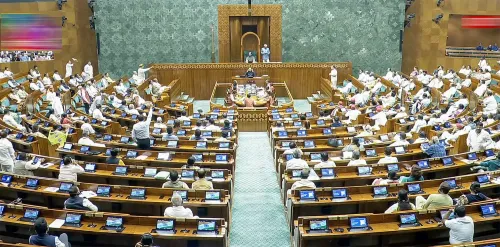
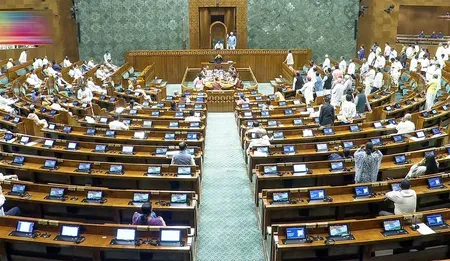
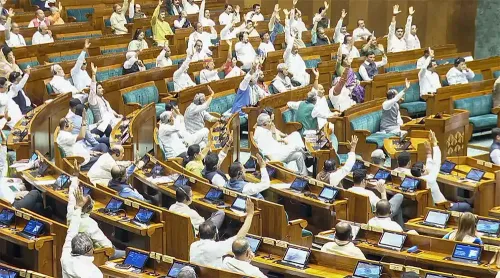
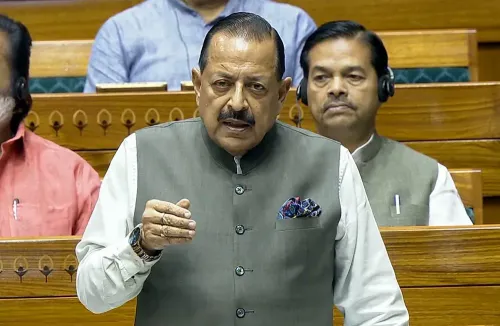
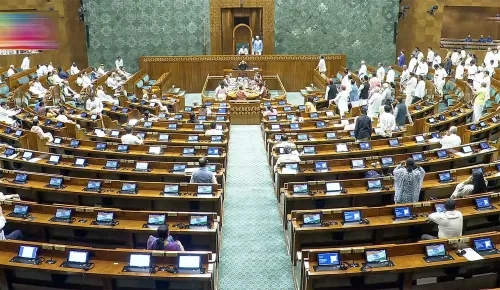
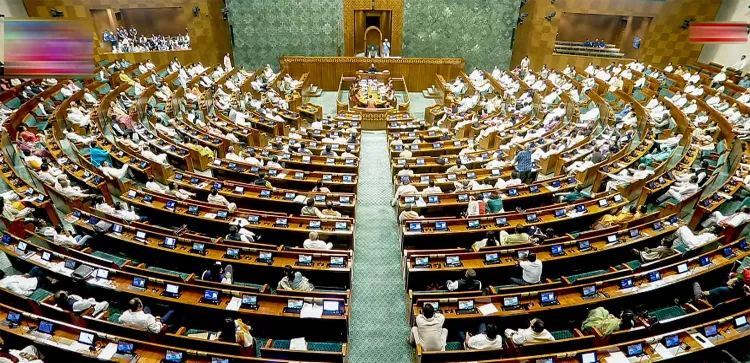
The Lok Sabha on Wednesday, 29 July 2026 passed the Public Examinations (Prevention of Unfair Means) Amendment Bill, 2026 through a voice vote, introducing some of the stiffest penalties ever legislated for examination fraud in India. The Bill, cleared after a debate spanning two days, amends the Public Examinations (Prevention of Unfair Means) Act, 2024.
Key Provisions of the Bill
The amended legislation mandates imprisonment of up to 10 years and a fine of up to ₹10 crore for those convicted of paper leaks or examination-related fraud. Courts are also empowered to order the confiscation of assets of the guilty. Crucially, the law establishes fast-track courts with a binding mandate to complete trials and deliver verdicts within three months — a provision aimed at ending the prolonged legal limbo that has historically blunted deterrence in such cases.
Background: What Triggered the Bill
The legislation arrives in the wake of widespread controversy over the NEET paper leak and a series of other examination irregularities that triggered a national outcry. On 20 July 2026, hundreds of students marched to Parliament in a demonstration dubbed the 'Sansad Chalo' protest, organised by the Cockroach Janta Party (CJP). The protest subsequently turned violent, with security personnel deploying force to disperse the crowd; several protesters and police personnel reportedly sustained serious injuries.
The agitation also targeted Union Education Minister Dharmendra Pradhan, with protesters demanding his resignation. Pradhan subsequently stepped down on 25 July 2026, four days before the Bill's passage.
Government's Position
Prime Minister Narendra Modi had earlier announced that a comprehensive Bill with strong anti-paper-leak provisions would be placed before Parliament. The Union Cabinet subsequently approved the Bill and its supporting provisions before it was introduced in the Lok Sabha. The government has framed the legislation as a measure to protect the futures of honest students while ensuring that those who corrupt the examination system face swift and severe consequences.
What Happens Next
The Bill will now move to the Rajya Sabha for passage before it can receive Presidential assent and become law. Once enacted, the fast-track court mechanism is expected to begin processing pending examination-fraud cases. The broader question of institutional reform within examination bodies such as the National Testing Agency (NTA) is likely to remain a political flashpoint in the sessions ahead.
Point of View
And the stormy two-day debate suggests the law is not without contestation. The three-month trial deadline is an ambitious judicial mandate in a system where fast-track courts have historically struggled with caseloads. The deeper structural question — how examination bodies like the NTA allowed paper leaks to recur — remains unaddressed by penal legislation alone. Punishing perpetrators after the fact does not fix the procurement and security failures that make leaks possible in the first place.
NationPress
28 Oct 2026
Frequently Asked Questions
What is the Public Examinations (Prevention of Unfair Means) Amendment Bill, 2026?
It is a law passed by the Lok Sabha on 29 July 2026 that amends the 2024 anti-cheating Act to introduce harsher penalties — up to 10 years in prison and fines up to ₹10 crore — for paper leaks and examination fraud. It also establishes fast-track courts mandated to deliver verdicts within three months.
Why was the anti-paper leak Bill introduced in Parliament?
The Bill was introduced following widespread controversy over the NEET paper leak and other examination irregularities. A large student protest, the 'Sansad Chalo' march on 20 July 2026, turned violent, and Education Minister Dharmendra Pradhan resigned on 25 July 2026, intensifying pressure on the government to act.
What are the penalties under the new paper leak law?
Convicted individuals face imprisonment of up to 10 years and fines of up to ₹10 crore. Courts are also empowered to confiscate the assets of those found guilty.
What are fast-track courts and how do they apply here?
Fast-track courts are special judicial bodies set up to expedite specific categories of cases. Under this Bill, they are mandated to complete trials and deliver judgments in examination-fraud cases within three months, ensuring swift justice.
What happens next after the Lok Sabha passed the Bill?
The Bill must now be passed by the Rajya Sabha before it can receive Presidential assent and become law. Once enacted, the fast-track court mechanism is expected to begin processing pending examination-fraud cases.