CM Bhajan Lal Urges Rajasthan Voters for Phase 2 Panchayat Poll
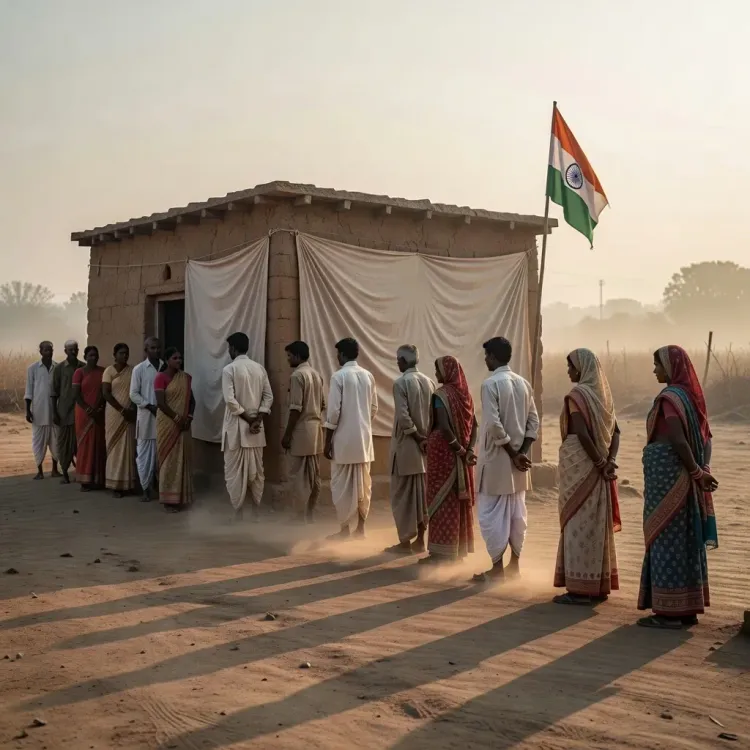
Synopsis
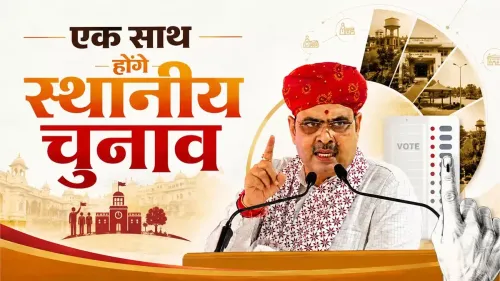
Rajasthan Chief Minister Bhajan Lal Sharma called on all state residents, especially first-time voters, to exercise their franchise as the second phase of panchayat elections begins on 28 October 2026, framing high turnout as the foundation of strong rural governance.
Key Takeaways
Rajasthan's panchayat elections are being held in multiple phases; phase two polling began on 28 October 2026 .
CM Bhajan Lal Sharma used the rallying phrase 'Pehle matdan, phir jalpaan!' to urge early voter turnout.
He specifically called on first-time voters to participate with enthusiasm and to encourage their families.
Panchayat elections are mandated by the 73rd Constitutional Amendment Act of 1992 , which requires five-yearly renewal of rural local bodies.
Elected panchayats are the primary delivery channel for rural development schemes and welfare funds in Rajasthan.
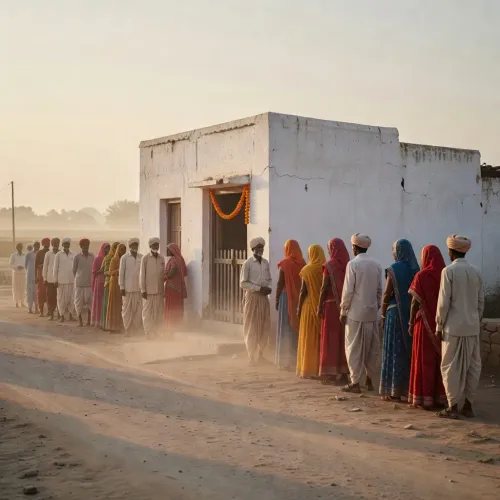
Before breakfast, cast your vote — that is the message Rajasthan Chief Minister Bhajan Lal Sharma sent to the state's rural electorate on Wednesday, 28 October 2026, as the second phase of Rajasthan's panchayat elections gets underway across villages and districts.
In a post addressed directly to the people of the state, CM Sharma invoked the popular Hindi rallying cry 'Pehle matdan, phir jalpaan!' ('Vote first, then eat!') — a phrase long used by Indian election authorities to nudge early-morning voter turnout. He described the second-phase polling as 'an important opportunity to strengthen democracy and empower rural self-governance.'
A Constitutional Mandate Playing Out in Rajasthan's Villages
The elections are rooted in India's 73rd Constitutional Amendment Act of 1992, which inserted Part IX into the Constitution and made five-yearly panchayat elections a non-negotiable pillar of the republic. That single amendment transformed hundreds of thousands of Indian villages from administrative units into self-governing bodies with elected representatives at gram, intermediate, and district panchayat levels.
Rajasthan, with its vast geography and dispersed rural population, routinely conducts these elections in multiple phases to manage the logistics of polling across hundreds of constituencies simultaneously. Phase-wise scheduling is the standard playbook — it allows the state machinery, security forces, and election officials to be redeployed from one cluster of districts to the next.
The Youth Vote and the Grassroots Stakes
CM Sharma's appeal carried a specific call-out to first-time voters — urging them to participate 'with enthusiasm and responsibility' and to motivate family members and acquaintances to vote as well. The focus on young electors mirrors a consistent national push: local body elections typically see lower turnout than Lok Sabha or Vidhan Sabha polls, making targeted appeals to new voters a recognised tool for closing the gap.
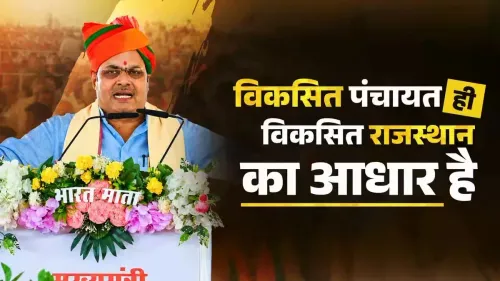
The stakes at the panchayat level are far from ceremonial. Elected panchayat bodies in Rajasthan are the frontline delivery mechanism for rural development funds, infrastructure projects, and welfare schemes. A well-constituted, representative panchayat translates directly into faster implementation on the ground — which is precisely why CM Sharma framed a strong voter mandate as the path to a 'powerful panchayat, prosperous village, and developed Rajasthan.'
With phase two ballots being cast today, attention will quickly shift to the declaration of results and the subsequent constitution of newly elected panchayat bodies — the moment when democratic participation converts into rural governance.
Point of View
A metric BJP watches closely in Rajasthan after its December 2023 assembly victory. Framing the vote as a path to 'developed Rajasthan' neatly ties local-body democracy to the state government's own development narrative. The pointed call-out to first-time voters reflects a broader national recognition that local elections — less glamorous than state or national contests — need deliberate mobilisation to match the turnout energy of higher-profile polls. Results from phase two will offer an early read on rural sentiment toward the Sharma government's first three years in office.
NationPress
28 Oct 2026
Frequently Asked Questions
When is the second phase of Rajasthan panchayat elections 2026?
The second phase of Rajasthan's panchayat elections is being held on 28 October 2026 , as announced by Chief Minister Bhajan Lal Sharma.
Why are Rajasthan panchayat elections held in multiple phases?
Rajasthan's large geography and dispersed rural population make single-day polling logistically difficult. Multiple phases allow the state machinery, election officials, and security forces to be redeployed across different clusters of constituencies.
What is the constitutional basis for panchayat elections in India?
Panchayat elections are mandated by the 73rd Constitutional Amendment Act of 1992 , which inserted Part IX into the Constitution and required states to hold elections to village, intermediate, and district panchayats every five years.
Who is Bhajan Lal Sharma and why is he calling for voter participation?
Bhajan Lal Sharma is the Chief Minister of Rajasthan and a BJP leader who took office in December 2023 . As the state's chief executive, he has appealed to all voters — especially first-timers — to vote in the ongoing panchayat elections to strengthen rural self-governance.
What does 'Pehle matdan, phir jalpaan' mean?
'Pehle matdan, phir jalpaan' is a Hindi phrase meaning 'Vote first, then eat.' It is a well-known Indian election slogan used to encourage voters to head to polling booths early in the morning before their daily routine.