CM Bhajan Lal Reaffirms Rural Dev Pledges After Panchayat Polls
Synopsis
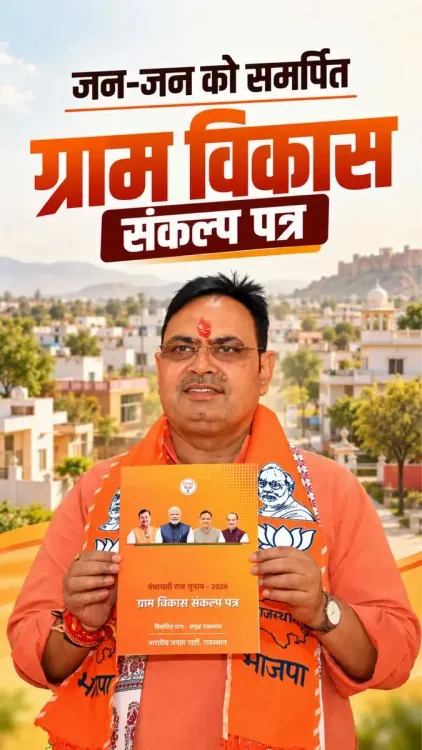
Rajasthan CM Bhajan Lal Sharma on October 14, 2026, pledged full implementation of the Gram Vikas Sankalp Patra promises from the recent Panchayati Raj elections, committing his BJP government to all-round rural development and better basic facilities across the state's villages.
Key Takeaways
CM Bhajan Lal Sharma reaffirmed on October 14, 2026 the government's resolve to achieve all-round development of Rajasthan's villages.
He pledged fulfilment of every promise in the Gram Vikas Sankalp Patra , the BJP's rural manifesto for Panchayati Raj elections.
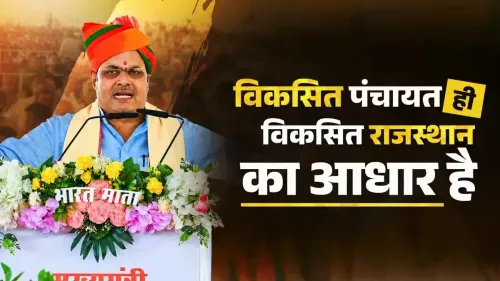
The statement is framed under the hashtag ' Viksit Gram, Samridh Rajasthan ' (Developed Villages, Prosperous Rajasthan).
India's Panchayati Raj system, established by the 73rd Constitutional Amendment (1992) , forms the institutional backbone for delivering these rural pledges.
Sharma's BJP government has been in office since December 2023 , following the state assembly election victory.
The immediate accountability mechanism will be newly elected gram panchayat representatives who can measure promises against delivery on the ground.
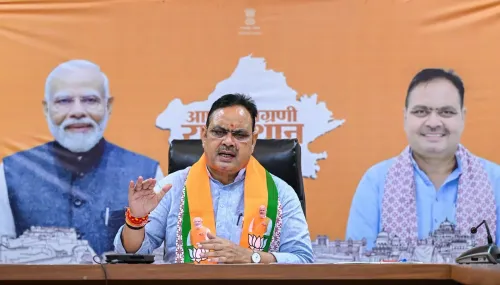
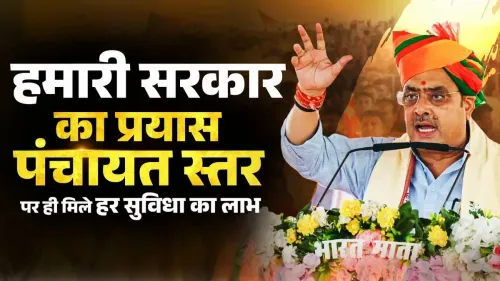
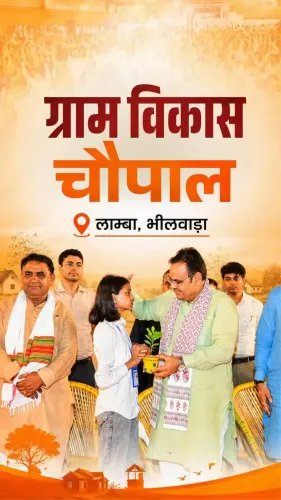
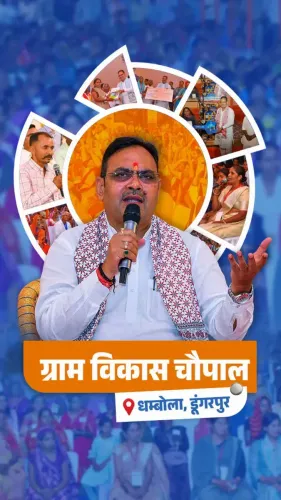
Every village, every promise — Rajasthan Chief Minister Bhajan Lal Sharma put rural Rajasthan back at the centre of his government's agenda on Wednesday, October 14, 2026, renewing a public commitment to deliver on every pledge made in the Gram Vikas Sankalp Patra — the BJP's dedicated rural development manifesto for the Panchayati Raj elections.
In a post on X, CM Sharma wrote — 'गांवों का सर्वांगीण विकास, बेहतर बुनियादी सुविधाएं और ग्रामीणों के जीवन में खुशहाली लाना हमारा संकल्प है' — ('All-round development of villages, better basic facilities, and bringing prosperity to the lives of rural residents is our resolve.') He added that through every promise of the Gram Vikas Sankalp Patra, the government is committed to turning this resolve into ground-level reality.
What the Gram Vikas Sankalp Patra Signals for Rajasthan's Villages
The Panchayati Raj system — rooted in India's 73rd Constitutional Amendment of 1992 — is designed to push governance and planning down to the village level, making gram panchayats the frontline unit of rural welfare delivery. When a state government attaches a dedicated manifesto document to local body elections, it is signalling intent to make those institutions genuinely accountable — and giving rural voters a checklist to hold leaders to.
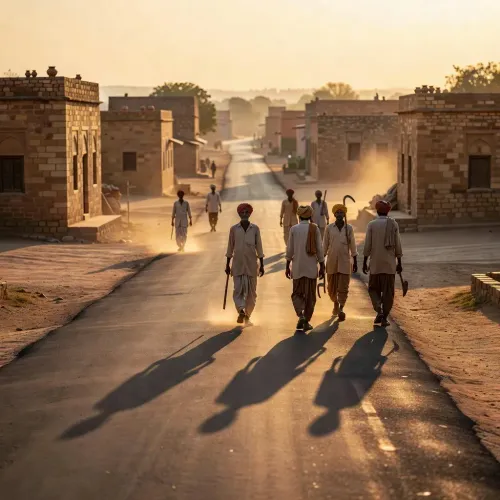
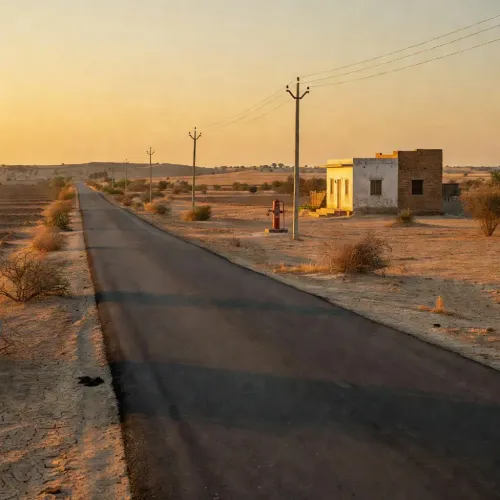
For Rajasthan, a vast western state where large stretches of rural geography still contend with gaps in roads, water, and health infrastructure, the stakes of that promise are concrete. The BJP government that took office in December 2023 has consistently framed rural uplift as a core deliverable alongside the broader 'Viksit Gram, Samridh Rajasthan' — 'Developed Villages, Prosperous Rajasthan' — vision that anchors today's post.
Post-Poll Accountability: The Pattern and the Pressure
Chief ministerial reaffirmations after panchayat elections are a familiar ritual in Indian state politics — but they are not without consequence. Gram panchayat representatives, freshly elected and directly accountable to their communities, tend to be the most proximate pressure point on state promises. Any gap between a Sankalp Patra pledge and actual delivery surfaces fast at the village level, and it surfaces loudly.
The real test for the Sharma government will be in measurable outputs: rural road connectivity, drinking water coverage, health sub-centre functioning, and income-support scheme penetration at the panchayat level. The Gram Vikas Sankalp Patra is now, in effect, a public contract — and elected panchayat bodies are the enforcement mechanism.
Rajasthan's villages are watching. The manifesto is on the table. Now comes the work.
Point of View
Enumerable list of promises rather than vague intent. In a state where gram panchayats now have freshly elected representatives, this framing raises the stakes — any shortfall becomes a verifiable broken pledge, not just a political critique. It also mirrors the Centre's push for decentralised welfare delivery, aligning state messaging with the broader national framework for Panchayati Raj empowerment.
NationPress
14 Oct 2026
Frequently Asked Questions
What is the Gram Vikas Sankalp Patra in Rajasthan?
The Gram Vikas Sankalp Patra is the BJP's dedicated rural development manifesto issued for the Panchayati Raj elections in Rajasthan, listing specific promises for village infrastructure, basic facilities, and rural welfare. CM Bhajan Lal Sharma has pledged to fulfil every commitment in this document.
What did Rajasthan CM Bhajan Lal Sharma say about rural development on October 14, 2026?
CM Sharma posted on X that all-round development of villages, better basic facilities, and bringing prosperity to rural residents is the government's resolve, and that it is committed to fulfilling every promise of the Gram Vikas Sankalp Patra from the Panchayati Raj elections.
What is the Panchayati Raj system in India?
Panchayati Raj is India's rural local self-government system, established by the 73rd Constitutional Amendment in 1992. It empowers gram panchayats to plan and deliver welfare services at the village level, making them the frontline institutions of rural governance.
When did Bhajan Lal Sharma become Chief Minister of Rajasthan?
Bhajan Lal Sharma became Chief Minister of Rajasthan in December 2023, after the BJP won the state assembly elections.
What does 'Viksit Gram, Samridh Rajasthan' mean?
'Viksit Gram, Samridh Rajasthan' translates to 'Developed Villages, Prosperous Rajasthan.' It is the vision slogan used by CM Bhajan Lal Sharma's government to frame its rural development agenda.