H-1B $100,000 fee lawsuit: Plaintiffs seek fast ruling, Trump govt wants pause
Synopsis
The $100,000 H-1B visa fee imposed by President Trump is now the subject of a multi-front legal war. With a California federal judge's injunction already in place, plaintiffs pushing for a fast final ruling and the government stalling for an appeals court verdict, the outcome could reshape US skilled-worker immigration for years — and directly affect thousands of Indian-origin workers.
Key Takeaways
Plaintiffs in Global Nurse Force v.
Trump are pressing a California federal court for a quick final ruling on the legality of the $100,000 H-1B visa fee .
President Trump imposed the fee via Proclamation 10973 on 19 September 2025 , extended by Proclamation 11069 on 18 September 2026 .
Judge Gilliam granted a partial preliminary injunction on 30 September 2026 ; the government appealed to the Ninth Circuit on 9 October 2026 .
A stay hearing is scheduled for 14 January 2027 ; the government wants record production deferred by 30 days post-appeal mandate.
Two additional appeals are pending: California v.
Mullin (First Circuit) and Chamber of Commerce v.
Core legal questions: whether the proclamations are ultra vires and whether DHS and State Department actions violate the Administrative Procedure Act .
Employers and workers challenging the Trump administration's $100,000 fee on new H-1B visa petitions have urged a federal court in California to push quickly toward a final judgment, while the government is pressing to freeze the case until a federal appeals court weighs in. The legal standoff intensifies pressure on a fee that has disrupted hiring pipelines for thousands of Indian-origin workers and US employers dependent on skilled foreign labour.
What the Case Is About
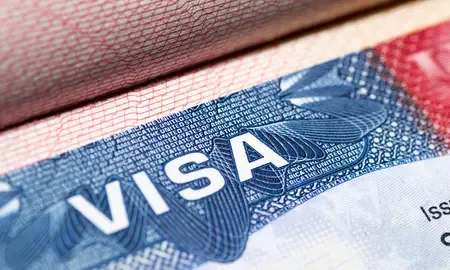
The lawsuit, Global Nurse Force v. Trump, directly challenges the legality of a $100,000 payment requirement imposed as a condition for processing H-1B visa petitions and permitting entry into the United States. In a joint case management statement filed on 20 October 2026, plaintiffs stated they contest the lawfulness of this fee requirement outright.
The fee was originally imposed by President Donald Trump through Proclamation 10973, signed on 19 September 2025, and subsequently extended through Proclamation 11069 on 18 September 2026.
Key Ruling and Government Appeal
On 30 September 2026, Judge Gilliam granted the plaintiffs' motion for a preliminary injunction in part, denied the government's motion to dismiss, and declined class certification without prejudice. The government moved swiftly, appealing to the Ninth Circuit Court of Appeals on 9 October 2026, and on the same day filed a motion to stay the district court proceedings. That stay motion is scheduled for a hearing on 14 January 2027.
The Competing Timelines
Plaintiffs have proposed that the government produce the administrative record by 3 November 2026, and warned they are 'monitoring Defendants' compliance' with the court's 30 September 2026 order, adding that they 'may seek enforcement of the order if warranted.' The government, by contrast, argued that proceeding now would be wasteful, maintaining that 'further motions practice is inappropriate while the Ninth Circuit considers threshold jurisdictional issues.' It proposed producing the record only 30 days after the appeals court's mandate, or 30 days after any order denying the stay.
Broader Litigation Landscape
The government also pointed to a universal injunction issued by the District of Massachusetts in a separate proceeding, arguing that further litigation in California 'only wastes the Parties' and Court's resources, and might well result in a duplicative appeal.' Two additional appeals on the same fee are pending: California v. Mullin in the First Circuit, and Chamber of Commerce v. DHS in the DC Circuit, which was argued on 9 March 2026.
The core legal questions across these cases, both parties acknowledged, are whether the president's proclamation and its extensions are ultra vires — beyond executive authority — and whether implementation actions by the State Department and the Department of Homeland Security (DHS) violate the Administrative Procedure Act (APA).
Who Is Fighting the Fee
The plaintiffs are represented by a coalition that includes the Justice Action Center, Democracy Forward, the South Asian American Justice Collaborative (SAAJCO), and the law firm Cohen Milstein Sellers & Toll. The case has drawn significant attention from the South Asian-American community and tech industry employers who rely heavily on H-1B talent pipelines. A final court ruling, whichever way it goes, is expected to have widespread implications for US immigration and workforce policy.
Point of View
Ninth, and DC Circuits. The administration's reliance on a Massachusetts universal injunction as a reason to stall other courts is procedurally convenient but legally fragile; injunctions can be reversed. For Indian-origin H-1B workers and US tech employers, the real cost is uncertainty compounding by the month. The fee itself — $100,000 per petition — is less an immigration measure than an effective ban on new skilled-worker filings for mid-sized employers, which mainstream coverage has underplayed.
NationPress
28 Oct 2026
Frequently Asked Questions
What is the H-1B $100,000 fee case about?
The case challenges a $100,000 fee imposed by President Trump as a condition for processing new H-1B visa petitions and allowing entry into the United States. Plaintiffs argue the fee requirement is unlawful and have filed suit in a California federal court under the case name Global Nurse Force v. Trump.
Who imposed the $100,000 H-1B fee and when?
President Donald Trump imposed the fee through Proclamation 10973, signed on 19 September 2025, and extended it via Proclamation 11069 on 18 September 2026.
What did the California federal court decide so far?
On 30 September 2026, Judge Gilliam granted in part the plaintiffs' motion for a preliminary injunction and denied the government's motion to dismiss. The government subsequently appealed to the Ninth Circuit Court of Appeals on 9 October 2026.
Why is the government asking to pause the California case?
The Trump administration argues that proceeding with further motions while the Ninth Circuit considers threshold jurisdictional issues would waste court resources and could result in a duplicative appeal. It has also cited a universal injunction already issued by the District of Massachusetts.
Which other courts are hearing challenges to the H-1B fee?
Two additional appeals are pending: California v. Mullin in the First Circuit, and Chamber of Commerce v. DHS in the DC Circuit, which was argued on 9 March 2026. The legal questions across all three cases centre on whether the presidential proclamations exceed executive authority and whether implementing agency actions violate the Administrative Procedure Act.