Cuba's FM charges at US envoy at UNGA, disrupts General Assembly session
Synopsis
In one of the most dramatic scenes at the UN General Assembly in years, Cuba's Foreign Minister physically charged toward the US envoy's podium during a session on Washington's tightening embargo, forcing the Assembly President to suspend proceedings. The outburst underscores how sharply US-Cuba tensions have escalated in 2026 — and sets a charged backdrop for Wednesday's annual embargo vote.
Key Takeaways
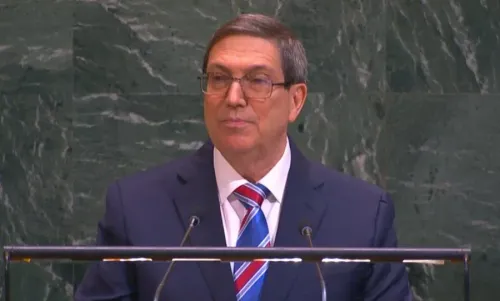
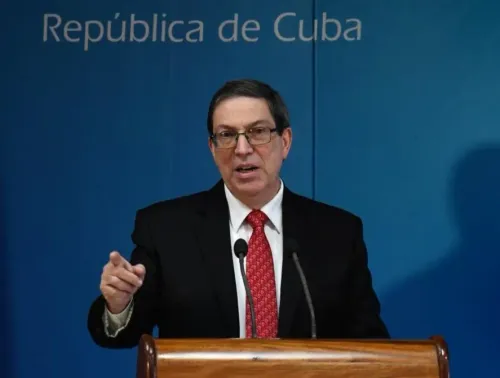
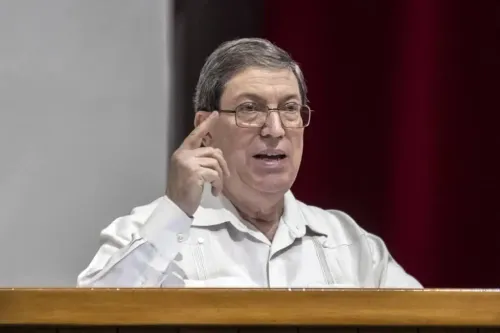
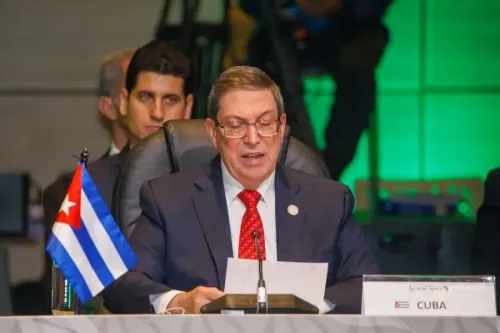
Cuban Foreign Minister Bruno Rodriguez Parrilla stormed toward the UNGA dais on Tuesday, 28 October 2026 , confronting US Permanent Representative Mike Waltz .
Assembly President Khalilur Rahman suspended the session briefly before restoring order.
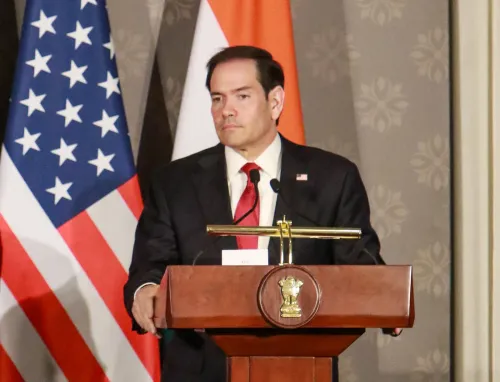
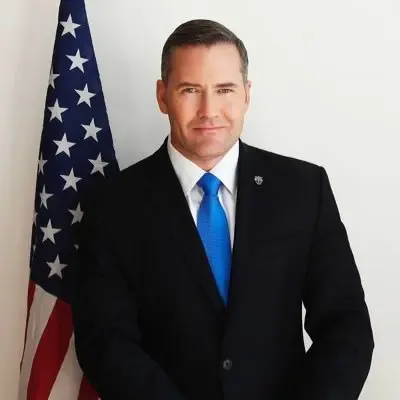
Waltz accused Cuba's ruling elite of corruption, displaying photographs of a reportedly $40,000 Rolex watch allegedly worn by Raul Castro .
Rodriguez countered that Waltz was 'lying grossly' and 'offending the dignity of the people and government of Cuba.' The Nonaligned Movement warned against possible military aggression against Cuba, amid reported plans by President Donald Trump .
The General Assembly is set to vote on Wednesday on a resolution calling for an end to the US embargo on Cuba.
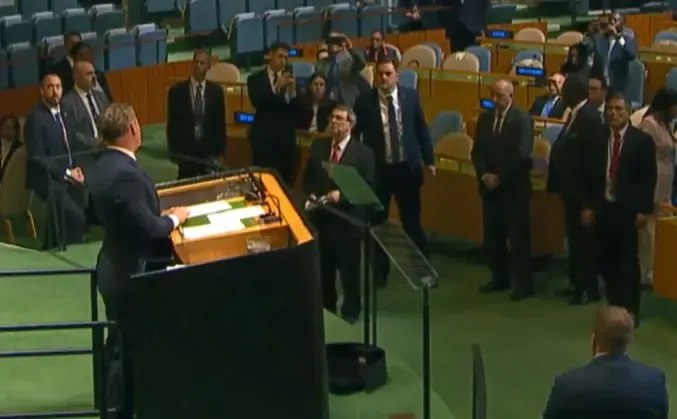
Cuban Foreign Minister Bruno Rodriguez Parrilla stormed towards the dais at the United Nations General Assembly on Tuesday, 28 October 2026, yelling as he confronted US Permanent Representative Mike Waltz, briefly halting a session focused on Washington's long-standing embargo against Cuba. The dramatic confrontation — one of the most visible diplomatic clashes at the UNGA in recent memory — was triggered as Waltz delivered a pointed critique of the Cuban government.
What Happened at the Podium
As Waltz addressed the Assembly, the Cuban delegation began thumping their desks and shouting. Rodriguez and his team then left their seats and marched toward the dais, demanding to speak on a point of order. The two envoys locked into a tense staring match — Waltz at the black marble rostrum, Rodriguez and his delegation directly below.
Assembly President Khalilur Rahman intervened repeatedly, appealing for order. 'Please sit down. Sit down,' he urged, likening the atmosphere to an unruly classroom. He briefly suspended the session before allowing it to resume within minutes. 'I'm here to administer the rules of procedure in a fair manner, in an independent manner,' Rahman told delegates.
Waltz, undeterred, shouted at Rodriguez: 'Back away! This isn't Havana.' When the meeting resumed, Rodriguez raised his point of order, accusing Waltz of 'lying grossly' and 'offending the dignity of the people and government of Cuba.'
Waltz's Accusations and the Rolex Photographs
At the centre of Waltz's remarks were allegations of corruption within Cuba's ruling elite. 'Havana would have you believe everything in Cuba has just disappeared. Well, we know, we know where it went,' he said. He then displayed photographs purportedly showing a member of the Castro family wearing two Rolex watches reportedly worth $40,000 — a reference widely understood to point to former Cuban President Raul Castro, brother of revolutionary leader Fidel Castro.
After the session resumed, Waltz noted that Rodriguez had 'tried to silence him in front of cameras and ambassadors,' adding that the incident illustrated broader repression: 'Imagine what happens if you dare to speak out under the iron fist of this regime.'
Context: The Cuba Embargo Vote
The confrontation unfolded as the General Assembly prepared to vote on Wednesday on a resolution calling for an end to the US embargo on Cuba — an annual exercise at the UN that Washington consistently loses by a wide margin. This year carries heightened stakes: the embargo has reportedly tightened to what several nations described as 'unprecedented and extreme levels,' including a blockade on oil shipments to the island.
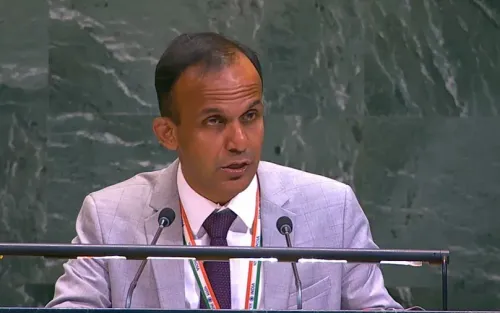
The overwhelming majority of nations that spoke during the session opposed Washington's embargo. Uganda's Permanent Representative Adonia Ayebare, addressing the Assembly on behalf of the Nonaligned Movement, said the group 'expresses its deep concern regarding the measures announced by the government of the United States this year, which tightened [the embargo] to unprecedented and extreme levels.'
Regional Blocs Voice Concern
Ayebare also referenced circulating reports of US President Donald Trump reportedly planning military action against Cuba, urging the General Assembly to 'mobilise efforts to prevent the military aggression against Cuba, a founding member of the Nonaligned Movement, and preserve peace.' The White House has not publicly confirmed any such plans.
Singapore's Permanent Representative Burhan Gafoor, speaking for the Association of Southeast Asian Nations (ASEAN), said the bloc 'is particularly concerned about the impact of the embargo on the Cuban people, especially their access to food, medicines and other essential supplies.'
The vote on the resolution is scheduled for Wednesday, and is expected to draw near-universal support against the embargo — as it has for more than three decades.
Point of View
Not mere grandstanding. Washington's decision to tighten the embargo to what multiple blocs called 'unprecedented' levels, combined with unconfirmed reports of military planning by the Trump administration, has raised the diplomatic temperature well beyond the annual ritual of the embargo vote. The confrontation also handed Waltz a narrative gift: footage of a Cuban official charging at an American envoy is exactly the imagery US hardliners use to justify the embargo. Rodriguez's outburst may have energised Havana's base, but it also arguably undermined the moral authority that Cuba typically commands at the UN on this issue.
NationPress
28 Oct 2026
Frequently Asked Questions
What caused the confrontation between Cuba and the US at the UN General Assembly?
Cuban Foreign Minister Bruno Rodriguez Parrilla charged toward the UNGA dais on 28 October 2026 after US Permanent Representative Mike Waltz began accusing the Cuban government of corruption and displaying photographs alleging that Raul Castro wore two Rolex watches worth $40,000. The confrontation disrupted a session on Washington's embargo against Cuba, prompting Assembly President Khalilur Rahman to briefly suspend the meeting.
Who is Mike Waltz and what did he say about Cuba?
Mike Waltz is the US Permanent Representative to the United Nations. During his address, he accused the Cuban elite of corruption, saying 'Havana would have you believe everything in Cuba has just disappeared — well, we know where it went,' and displayed photographs he claimed showed a Castro family member wearing expensive watches.
What is the UN General Assembly Cuba embargo vote?
The General Assembly holds an annual vote on a resolution calling for an end to the US economic embargo on Cuba, a practice that has continued for over three decades and consistently results in near-universal support for ending the embargo. The 2026 vote is scheduled for Wednesday, 29 October, and comes as the embargo has reportedly tightened to its most severe levels yet, including a reported blockade on oil.
What did the Nonaligned Movement say about Cuba at the UNGA?
Uganda's Permanent Representative Adonia Ayebare, speaking on behalf of the Nonaligned Movement, said the group expressed 'deep concern' over US measures that had tightened the embargo to 'unprecedented and extreme levels.' He also urged the General Assembly to mobilise efforts to prevent what he described as possible military aggression against Cuba, citing reported plans by US President Donald Trump.
How did ASEAN respond to the Cuba embargo discussion?
Singapore's Permanent Representative Burhan Gafoor, speaking for ASEAN, said the bloc was 'particularly concerned about the impact of the embargo on the Cuban people, especially their access to food, medicines and other essential supplies.' ASEAN joined the broad international consensus opposing the US embargo.