Cuba FM Rodriguez slams US embargo at UNGA, cites $178.7 bn damage
Synopsis
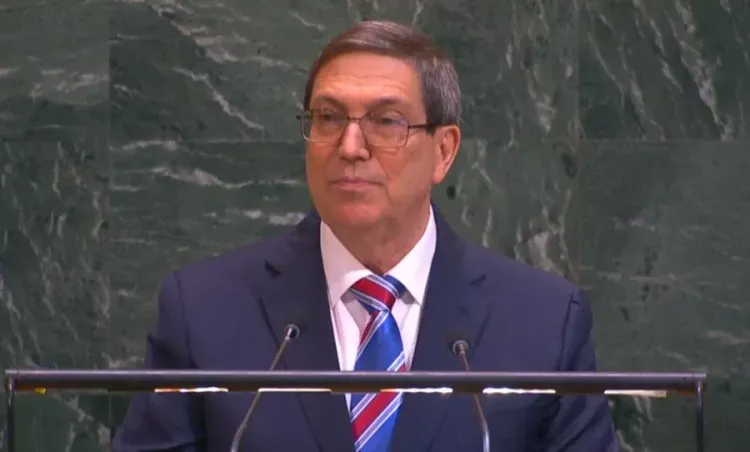
Cuban Foreign Minister Bruno Rodriguez took the floor at a UN General Assembly debate to put a number on decades of US sanctions: $178.7 billion in cumulative damage. With 136 nations voting to even hold the debate over Washington’s objections, the session exposed just how isolated the US position on the Cuba embargo remains on the world stage.
Key Takeaways
Cuban FM Bruno Rodriguez addressed a UNGA debate on 8 July , accusing the US of waging ‘multidimensional, non-conventional warfare’ against Cuba for nearly seven decades .
The cumulative damage from the US blockade amounts to $178.7 billion at current prices, according to Rodriguez.
The UNGA voted 136-9 (with 30 abstentions ) to proceed with the debate despite US objections that it was a ‘wasteful’ use of UN funds.
Rodriguez accused the US of pursuing extraterritorial actions designed to provoke a humanitarian crisis and destabilise Cuba.
He stressed there is no evidence Cuba has ever threatened the US, calling Cuba ‘the nation that is being threatened.’
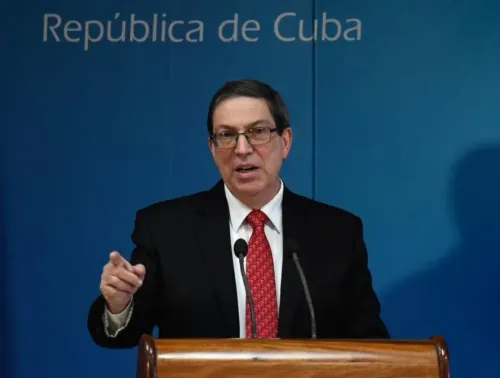
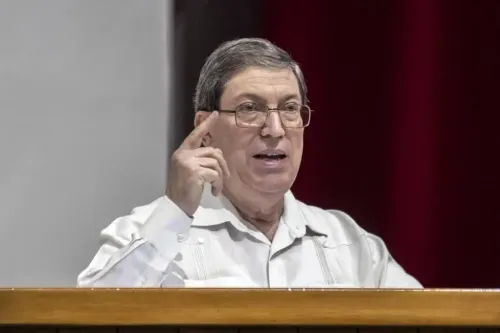
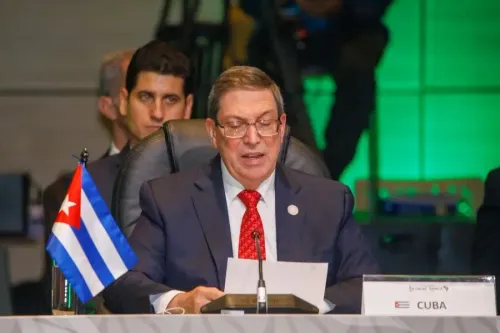
Cuban Foreign Minister Bruno Rodriguez on 8 July accused the United States government of waging “multidimensional, non-conventional warfare” against Cuba for nearly seven decades, telling a UN General Assembly (UNGA) debate that the campaign has “become ever crueler and more ruthless during the last seven months.” The remarks came during a special UNGA session on the necessity of ending the US economic, commercial and financial embargo against Cuba.
Key Developments at the UNGA Debate
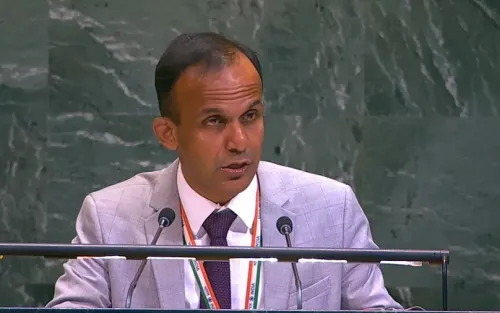
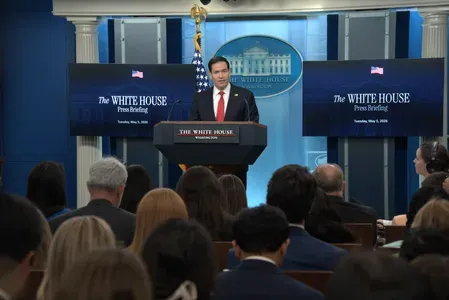
The debate itself was contested from the outset. Jeffrey Bartos, the US representative to the United Nations for management and reform, strongly opposed holding a second debate on the topic, describing it as a “wasteful” use of UN funds. He called for a recorded vote on whether to reopen the agenda item. The UNGA proceeded regardless, adopting a motion to continue the debate with 136 votes in favour, 9 against, and 30 abstentions. A previous debate on the same subject had already been convened as part of the UNGA’s annual work in October 2025.
What Rodriguez Said
Rodriguez argued that beyond the formal economic blockade, the US has pursued “unprecedented actions of an extreme extraterritorial nature” designed to provoke a humanitarian crisis and “the complete destabilisation” of Cuba. He said the cumulative damage caused by the blockade since it was first imposed amounts to $178.7 billion at current prices. He directly challenged the US State Department’s position, saying it was “spreading the lie that the blockade is not aimed against the Cuban people.”
Rodriguez also stated that threats of military aggression have been “repeatedly launched by top officials of the US administration,” and stressed that there has been “no statement by the Cuban government, no evidence, and not the slightest hint” that Cuba has ever intended to threaten the United States. “Cuba is the nation that is being threatened,” he said.
Humanitarian Impact Cited
The Cuban minister said that in recent months, humanitarian damage to the Cuban population has intensified, resulting in a worsening quality of life, reduced means of subsistence, and limited prospects for personal, family, and social development. He characterised the situation as “the massive, flagrant and systematic violation of the human rights of an entire people in an act of collective punishment.”
Broader Implications
Rodriguez framed Cuba’s predicament as a warning for the international community at large, arguing that the hostility Cuba faces today is “part of a worrying sequence of violations of international law” and a “prelude to what might happen to any other country tomorrow.” He called on member states to defend the founding values of the United Nations, international law, and the UN Charter. Cuba, he maintained, remains “committed to the defense of peace, international law, multilateralism, truth and justice.”
The UNGA vote outcome underscores the continued isolation of the US position on the embargo, with an overwhelming majority of member states backing the resumption of debate. How the US responds diplomatically in the sessions ahead will be closely watched.
Point of View
But the political arithmetic at the UN tells its own story. The harder question mainstream coverage skips is why, after nearly seven decades, the embargo remains US law — and whether domestic political constraints in Washington now outweigh any strategic rationale.
NationPress
6 Oct 2026
Frequently Asked Questions
What did Cuban FM Bruno Rodriguez say at the UNGA debate on 8 July?
Rodriguez accused the US of conducting ‘multidimensional, non-conventional warfare’ against Cuba for nearly seven decades, arguing the campaign has grown crueler in the last seven months. He cited $178.7 billion in cumulative blockade damage and called the situation collective punishment of the Cuban people.
How did the UNGA vote on holding the Cuba embargo debate?
The UNGA adopted a motion to proceed with the debate by 136 votes in favour, 9 against, and 30 abstentions. The US had opposed holding a second debate, with its representative calling it a wasteful use of UN funds.
What is the US position on the Cuba embargo debate at the UN?
US representative Jeffrey Bartos opposed reopening the agenda item, describing it as wasteful and calling for a recorded vote to block the session. The US State Department has maintained that the blockade is not directed at the Cuban people, a claim Rodriguez publicly rejected.
Why does Cuba say the US embargo amounts to collective punishment?
Rodriguez argued that beyond the formal economic blockade, the US has pursued extreme extraterritorial measures intended to provoke a humanitarian crisis. He said these actions have worsened Cubans’ quality of life, reduced subsistence means, and systematically violated the human rights of an entire people.
How long has the US embargo on Cuba been in place?
The US economic, commercial and financial embargo against Cuba has been in place for nearly seven decades, according to Rodriguez’s address. It remains codified in US law, and successive UNGA majorities have called for its end without effect on Washington’s policy.