Shekhawat urges voters to back BJP in Rajasthan Panchayat polls Phase 2
Synopsis
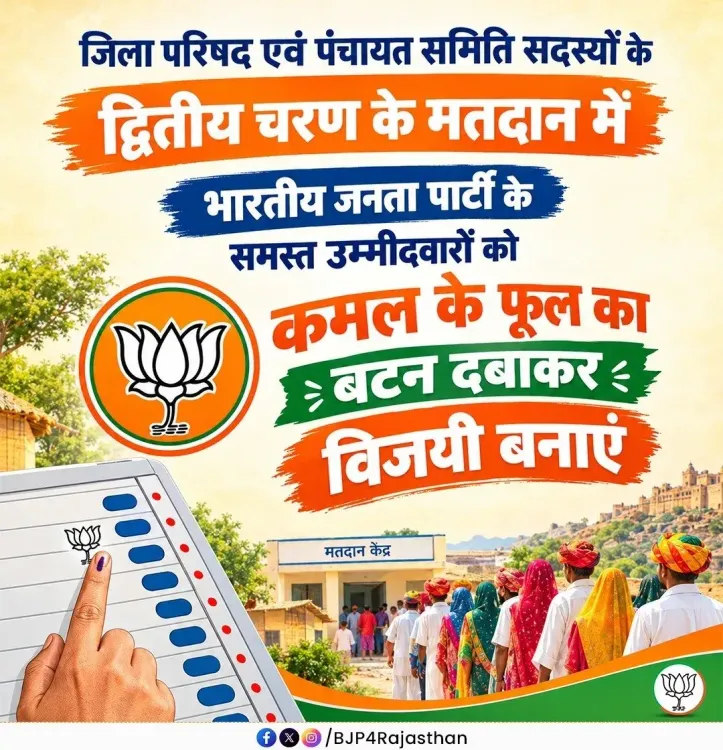
Union Minister Gajendra Singh Shekhawat on October 28 called on Rajasthan voters to support all BJP candidates in the second phase of the 2026 Panchayati Raj elections, linking a grassroots mandate to village development and a prosperous Rajasthan.
Key Takeaways
Union Culture and Tourism Minister Gajendra Singh Shekhawat posted a campaign appeal on October 28, 2026 backing BJP in Rajasthan's Panchayati Raj Phase 2 polls.
The second phase covers elections to Zila Parishad and Panchayat Samiti seats across Rajasthan.
Shekhawat urged voters to press the lotus symbol , the BJP's designated election button, at the booth.
The appeal was framed around three priorities: village development, public welfare, and a prosperous Rajasthan.
The 73rd Constitutional Amendment of 1992 established the three-tier Panchayati Raj structure that governs these elections.
Rajasthan's local body results are widely tracked as a rural sentiment indicator ahead of larger state and national contests.
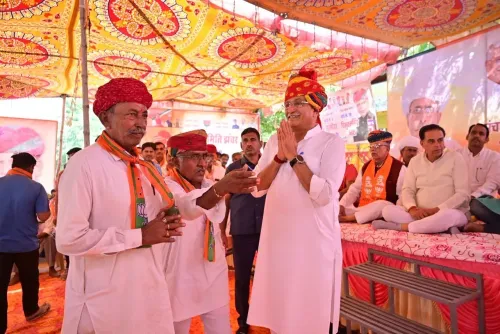
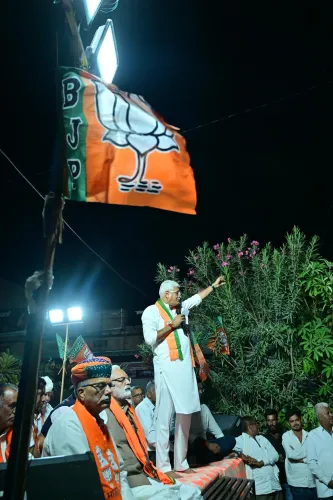
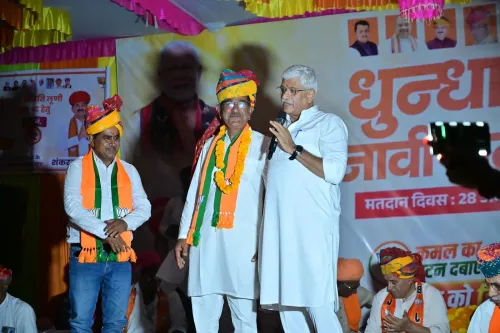
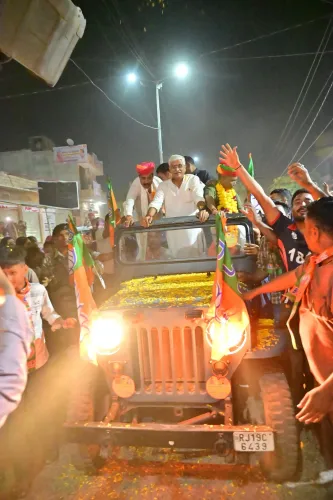
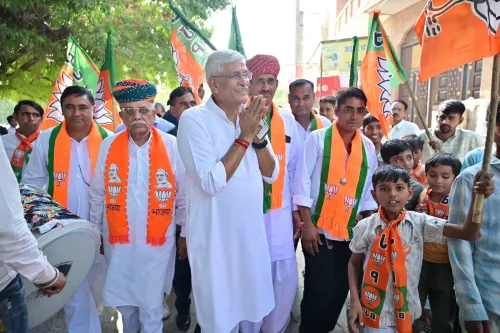
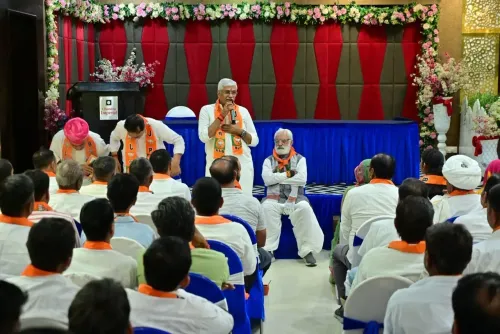
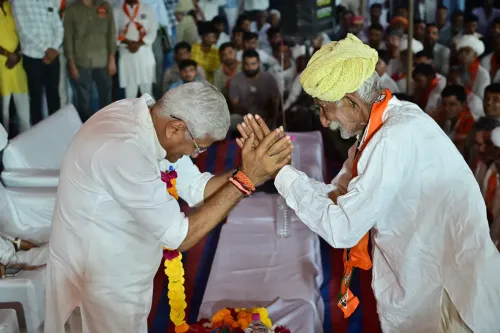
With rural Rajasthan heading to the polls for the second phase of the 2026 Panchayati Raj elections, Union Culture and Tourism Minister Gajendra Singh Shekhawat threw his full political weight behind the BJP on Wednesday, October 28 — calling on voters across the state's villages to elect the party's candidates to Zila Parishad and Panchayat Samiti seats.
Posting in Hindi on X, Shekhawat framed the appeal squarely around rural welfare: 'हर गांव में विकास, हर जन तक खुशहाली!' ('Development in every village, prosperity to every citizen!'). He urged voters to press the lotus button — the BJP's election symbol — and return the party to power at the grassroots level.
Why Panchayat polls carry weight beyond the village square
Rajasthan's Panchayati Raj elections are not a sideshow. They are the most granular test of a party's rural organisational muscle — and in a state where over 75 percent of the population lives in rural areas, the results send an unmistakable signal about ground-level sentiment ahead of any assembly or national contest.
The elections operate under the constitutional framework laid down by the 73rd Constitutional Amendment of 1992, which gave Panchayati Raj institutions their formal status across India. The three-tier structure — from Gram Panchayat at the base to Zila Parishad at the district level — is the arena where local development spending, welfare delivery, and political loyalty are all simultaneously at stake.
A senior Union minister steps into grassroots terrain
Shekhawat, a Lok Sabha MP from Jodhpur and one of Rajasthan's most prominent BJP faces, is not a peripheral voice in this campaign. His entry into the Panchayat poll conversation reflects a deliberate BJP strategy: deploy central-level leaders to energise local-body campaigns, reinforcing the message that village development is a national-party priority, not just a state-level concern.
His post explicitly tied the vote to three outcomes — accelerating village development, strengthening public welfare, and building a prosperous Rajasthan. The framing mirrors the BJP's consistent national messaging on rural schemes and decentralised governance, pushing the idea that a vote for the lotus in the Panchayat hall is a vote for the same development agenda driving central policy.
Phase two is underway. The rural vote will deliver its verdict — and Rajasthan's political watchers will be reading every Zila Parishad seat as a barometer of what comes next.
Point of View
Holding Zila Parishad and Panchayat Samiti seats is about controlling the last-mile infrastructure of political loyalty. A strong Phase 2 performance in Rajasthan would give the BJP a credible claim to rural dominance in a state that has historically swung between the two major parties, strengthening its hand well before the next assembly cycle.
NationPress
28 Oct 2026
Frequently Asked Questions
What are the Rajasthan Panchayati Raj elections 2026?
The Rajasthan Panchayati Raj elections 2026 are multi-phase polls for rural local self-government bodies — including Gram Panchayat, Panchayat Samiti, and Zila Parishad — held under the constitutional framework established by the 73rd Amendment of 1992.
Why is Gajendra Singh Shekhawat campaigning for Panchayat elections?
As a senior BJP leader and Lok Sabha MP from Jodhpur, Shekhawat is part of the party's strategy to deploy central-level leaders in local-body campaigns to strengthen grassroots support and reinforce the rural development message.
What seats are being contested in Phase 2 of Rajasthan Panchayat elections?
Phase 2 covers elections to Zila Parishad (district council) and Panchayat Samiti (block-level council) seats across Rajasthan's rural constituencies.
What is the BJP's lotus symbol in Panchayat elections?
The lotus is the official election symbol of the Bharatiya Janata Party; Shekhawat's appeal to 'press the lotus button' is a standard campaign call directing voters to mark their ballot for BJP candidates.
Why do Rajasthan Panchayat poll results matter politically?
With more than three-quarters of Rajasthan's population living in rural areas, Panchayati Raj results are a widely read indicator of rural political sentiment and party strength ahead of state assembly and national elections.