Public Examinations Amendment Bill 2026: Stiffer jail terms, faster trials
Synopsis
India's Parliament is moving to sharply raise the cost of examination fraud. The 2026 amendment to the Public Examinations Act would push minimum sentences to five years for individuals and seven years for organised rackets, while capping investigations at two months and trials at three — a structural shift from deterrence on paper to enforcement on the clock.
Key Takeaways
The Lok Sabha began deliberations on the Public Examinations (Prevention of Unfair Means) Amendment Bill, 2026 on 28 July .
Minimum jail term for using unfair means rises from 3 years to 5 years ; maximum raised to 10 years .
Maximum fine for individuals jumps from ₹10 lakh to ₹50 lakh ; service providers face up to ₹5 crore and an 8-year ban .
Organised examination manipulation would attract a minimum 7-year sentence and a fine of ₹10 crore .
Investigations must conclude within 2 months ; trials within 3 months of chargesheet filing.
States and UTs must designate fast-track courts of session for such cases.
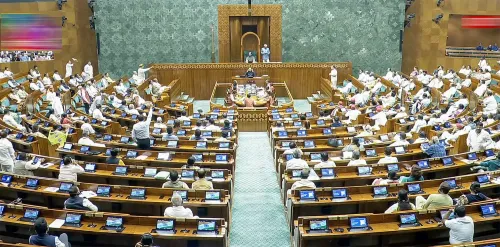
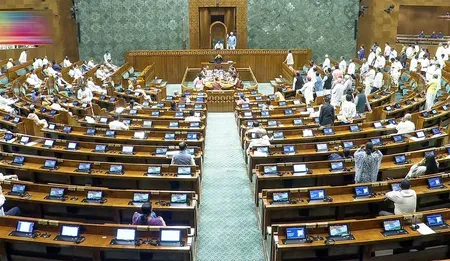
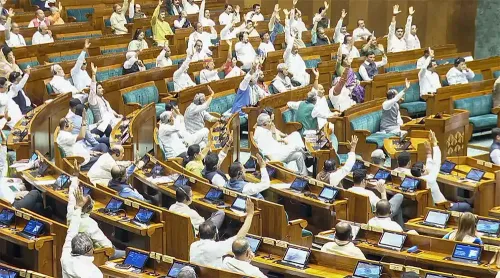
The Lok Sabha on Tuesday, 28 July took up for consideration the Public Examinations (Prevention of Unfair Means) Amendment Bill, 2026, as Parliament moved to tighten the legal framework governing competitive examinations in India. The bill proposes sharply higher prison terms, steeper financial penalties, and court-mandated timelines for investigations and trials — a direct legislative response to recurring examination paper leaks that have rattled student communities across the country.
Background: What the 2024 Law Already Said
The original Public Examinations (Prevention of Unfair Means) Act, 2024 came into force in June 2024 following a rash of high-profile paper leaks that disrupted several national-level competitive examinations. That law identified 15 categories of offences — including leaking question papers or answer keys, operating fraudulent examination websites, and facilitating malpractice — and classified all of them as cognisable, non-bailable, and non-compoundable. Candidates themselves were kept outside the scope of the legislation.
The 2026 amendment now seeks to build on that foundation by addressing what the government describes as gaps in deterrence and enforcement speed.
Key Changes in Penalties
The amendment proposes a significant escalation in punishment at every level of involvement. Individuals convicted of using unfair means would face a minimum jail term of five years — up from three years — with the maximum sentence rising to 10 years. The maximum fine for such individuals would jump from ₹10 lakh to ₹50 lakh.
Service providers involved in conducting examinations face even steeper consequences. Their financial penalty ceiling would increase from ₹1 crore to ₹5 crore, and they could be barred from handling public examinations for eight years instead of the current four. For those found guilty of organised manipulation of examinations, the minimum sentence would rise from five years to seven years, accompanied by a fine of ₹10 crore.
Timelines for Investigations and Trials
One of the more structurally significant additions in the bill is the introduction of mandatory timelines. Investigations must be completed within two months of a case being referred by the central government. States and Union Territories would be required to designate courts of session as fast-track courts for such matters.
Trials are expected to conclude within three months of the chargesheet being filed. Appeals in high courts would be handled by two-judge benches, with a similar three-month target, described in the bill as aspirational rather than absolute.
What the Government Said
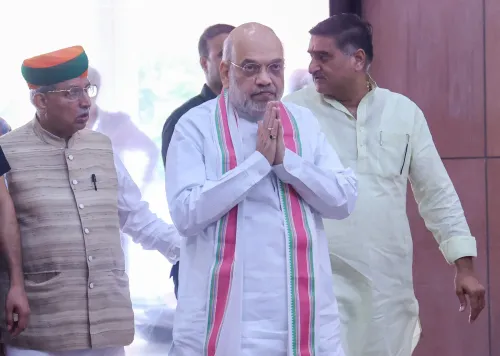
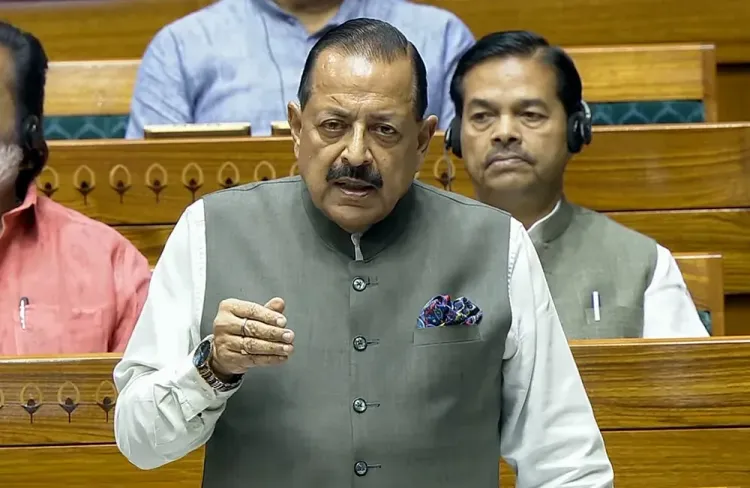
Union Minister of State in the Prime Minister's Office, Jitendra Singh, moved the bill for consideration, stating that the legislation reflected the government's commitment to protecting the interests of students and young aspirants. He described the amendment as a step towards making the existing legal framework more effective and stringent.
What Comes Next
The bill is now before the Lok Sabha for debate and passage. If enacted, it would represent the most significant upgrade to examination integrity law since the original Act was passed in 2024. The focus on fast-track trials and time-bound investigations signals an intent to move beyond deterrence on paper toward enforcement in practice — a distinction that will ultimately be tested by implementation at the state level.
Point of View
While structurally sound, lacked the deterrent weight and enforcement speed to change behaviour on the ground. Doubling fines and raising minimum sentences matters only if prosecution rates improve — and India's track record on white-collar and organised exam fraud cases reaching conviction is thin. The two-month investigation deadline is the most consequential provision: it forces the Centre to refer cases promptly and state machinery to act on a clock. Whether states will resource their fast-track courts adequately, or treat the designation as a paperwork exercise, is the real question this bill cannot answer by itself.
NationPress
27 Oct 2026
Frequently Asked Questions
What is the Public Examinations Amendment Bill 2026?
It is a proposed amendment to the Public Examinations (Prevention of Unfair Means) Act, 2024, introduced in the Lok Sabha on 28 July 2026. The bill raises prison terms, increases financial penalties, and sets mandatory timelines for investigations and trials in cases of examination fraud.
What are the new jail terms proposed under the bill?
Individuals convicted of using unfair means in public examinations would face a minimum of five years in prison, up from three years, with a maximum of ten years. Those involved in organised manipulation of examinations face a minimum of seven years.
How does the bill change penalties for service providers?
Service providers found guilty of facilitating examination fraud would face a maximum fine of ₹5 crore, up from ₹1 crore, and could be barred from conducting public examinations for eight years instead of the earlier four.
What investigation and trial timelines does the bill introduce?
Investigations must be completed within two months of a case being referred by the central government. Trials are expected to conclude within three months of the chargesheet being filed, with high court appeals handled by two-judge benches within a similar timeframe.
Who is covered under the Public Examinations Act and its amendment?
The law covers those who organise, facilitate, or enable examination fraud — including service providers and individuals operating fake websites or leaking papers. Candidates themselves remain outside the scope of both the original 2024 Act and the proposed 2026 amendment.