Public Examinations Amendment Bill 2026: Lok Sabha passes anti-cheating law
Synopsis
India's Lok Sabha has passed one of its toughest anti-cheating laws yet — the Public Examinations Amendment Bill 2026 — targeting organised paper leak networks and exam fraud that have repeatedly derailed the futures of lakhs of honest students. With Home Minister Amit Shah calling it 'iron-clad,' the real test will be enforcement.
Key Takeaways
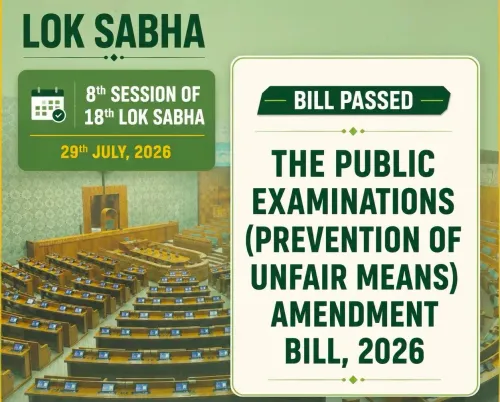
The Lok Sabha passed the Public Examinations (Prevention of Unfair Means) Amendment Bill, 2026 on 29 July 2026 .
The bill prescribes severe penalties for individuals and organised groups guilty of paper leaks, impersonation, or exam fraud.
Home Minister Amit Shah described the law as a shield for the 'dreams and aspirations' of Indian students.
The legislation extends liability to facilitators of fraud , not just those directly caught cheating.
The bill now moves to the Rajya Sabha before Presidential assent can make it law.
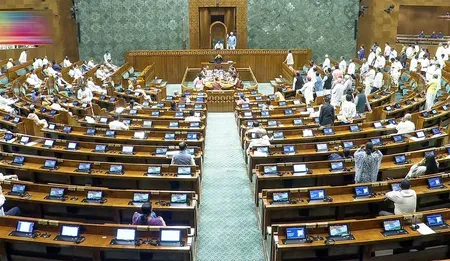
The Lok Sabha on Wednesday, 29 July 2026 passed the Public Examinations (Prevention of Unfair Means) Amendment Bill, 2026, introducing some of the harshest penalties yet for exam fraud in India. The legislation targets question paper leaks, organised cheating networks, and fraudulent practices that have repeatedly undermined the credibility of public examinations for millions of aspirants.
What the Bill Prescribes
The amendment significantly stiffens the existing legal framework by prescribing severe penalties for individuals and organised groups found guilty of leaking question papers, deploying unfair means, or engaging in any form of examination fraud. The law covers public examinations that serve as gateways to academic institutions and government jobs — tests that determine the futures of crores of students annually.
Crucially, the bill tightens the legal net around organised malpractice rings, recognising that many recent cheating scandals were not isolated incidents but coordinated operations. Disbursement of penalties will now extend to those who facilitate fraud, not just those caught in the act.
What the Government Said
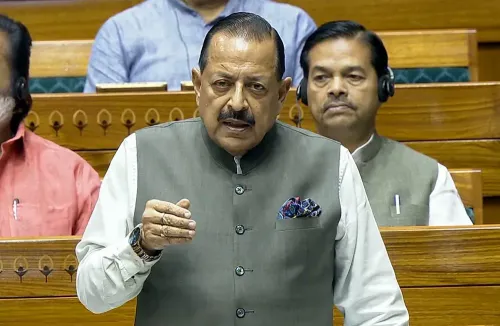
Union Home Minister Amit Shah congratulated students across the country on the bill's passage, describing it as a shield for the 'dreams and aspirations of our youth.' Shah stated that the legislation lays down 'iron-clad provisions imposing the harshest punishment on those who dare to breach the sanctity of public examinations.'
Shah further underscored the government's stance, asserting that the Modi administration 'will spare no one who attempts to imperil the future of our students and will leave no stone unturned to ensure that they face the full wrath of the law.'
Background: A Crisis of Credibility
The bill arrives against a backdrop of recurring exam leak controversies that have shaken public confidence in India's examination ecosystem. Several high-profile recruitment and entrance tests have been marred by paper leaks and impersonation in recent years, triggering student protests and judicial scrutiny. Education experts and student organisations have long demanded a stronger statutory deterrent, arguing that malpractice disproportionately harms honest, hardworking candidates while eroding institutional trust.
Notably, this amendment builds on the original Public Examinations (Prevention of Unfair Means) Act, reinforcing that merit — not manipulation — must remain the sole determinant of academic and professional advancement.
What Happens Next
With the Lok Sabha's approval secured, the bill now moves to the Rajya Sabha before it can receive Presidential assent and become law. If passed in the upper house without amendments, it will mark a decisive shift in how India polices the integrity of its examination system. Student groups and education bodies are expected to closely track the implementation framework, particularly the enforcement mechanisms for identifying and prosecuting organised cheating syndicates.
Point of View
Who have waited years for this reform, deserve.
NationPress
28 Oct 2026
Frequently Asked Questions
What is the Public Examinations (Prevention of Unfair Means) Amendment Bill, 2026?
It is a legislation passed by the Lok Sabha on 29 July 2026 that stiffens penalties for exam fraud in India, covering paper leaks, organised cheating networks, and impersonation in public examinations. It amends the existing Public Examinations (Prevention of Unfair Means) Act to introduce harsher punishments.
Why was this bill introduced?
The bill was introduced in response to recurring exam leak and cheating scandals that have undermined public confidence in India's examination system. Several major recruitment and entrance tests have been compromised in recent years, prompting demands from students and education experts for a stronger legal deterrent.
What penalties does the new bill impose?
The bill prescribes severe penalties for individuals and organised groups found guilty of leaking question papers, using unfair means, or facilitating fraud during public examinations. It extends legal liability to those who facilitate malpractice, not just those directly caught cheating.
What did Amit Shah say about the bill?
Home Minister Amit Shah congratulated students on the bill's passage, calling it a shield for the 'dreams and aspirations of our youth.' He stated the Modi administration 'will spare no one who attempts to imperil the future of our students.'
What happens next after the Lok Sabha passed the bill?
The bill now moves to the Rajya Sabha for approval. If passed without amendments, it will go to the President for assent and become law, after which the government is expected to notify an enforcement framework targeting organised exam fraud syndicates.