PM Modi Arrives in Seychelles, Cites Strong Maritime Bond
Synopsis
Prime Minister Narendra Modi arrived in Seychelles on 27 June 2026 for a bilateral visit, posting in Seychellois Creole to acknowledge his airport welcome and expressing hope for a productive visit that deepens India's longstanding Indian Ocean maritime partnership.
Key Takeaways
Prime Minister Narendra Modi arrived in Seychelles on 27 June 2026 for a bilateral visit.
He was received at the airport by Dr.
Patrick Herminie and publicly acknowledged the warm welcome.
Modi posted in Seychellois Creole , a cultural gesture signalling close people-to-people ties.
The visit builds on the SAGAR doctrine first articulated during Modi's 2015 visit to Seychelles.
Bilateral talks are expected to cover maritime security , blue economy , and defence cooperation .
Seychelles is one of India's most consistent maritime partners in the Western Indian Ocean .
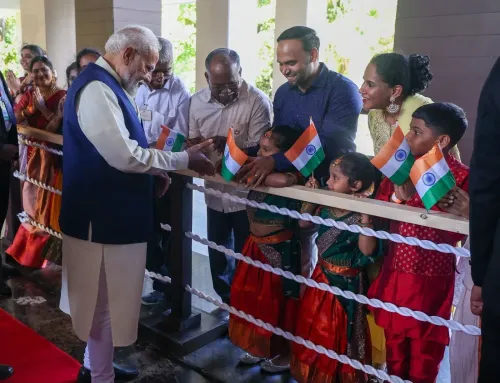
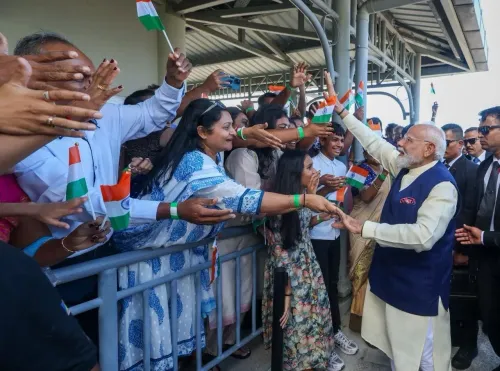
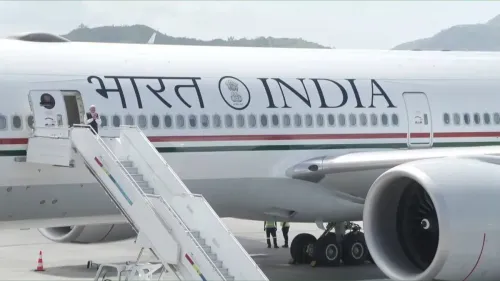
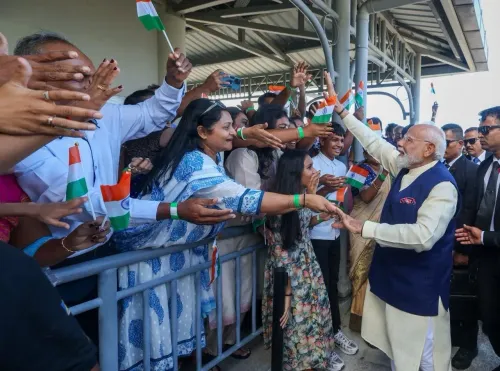
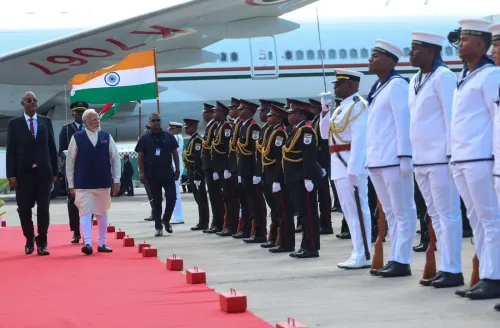
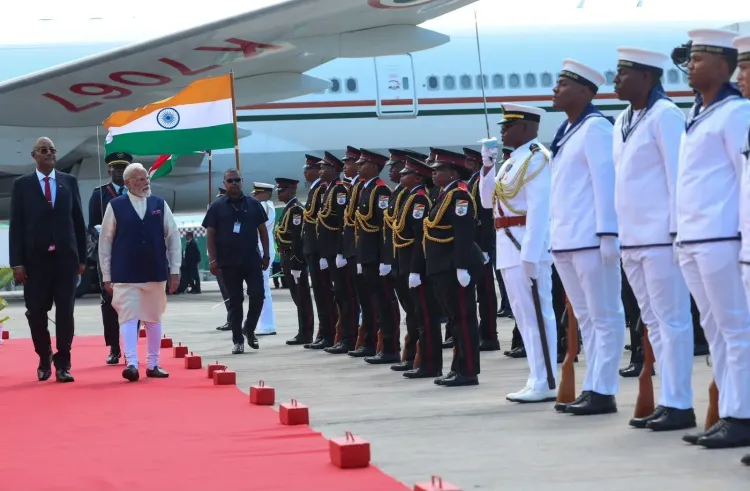
Prime Minister Narendra Modi arrived in Seychelles on Saturday, 27 June 2026, beginning a bilateral visit to the Indian Ocean island nation that he described as a close partner and friend. Modi was received at the airport by Dr. Patrick Herminie, whose warm welcome the Prime Minister publicly acknowledged.
Writing in Seychellois Creole on arrival, Prime Minister Modi said he was 'deeply grateful for the warm reception offered by Dr. Patrick Herminie at the airport,' adding that he expected the visit to be 'productive' and to 'strengthen ties that date back a long time and reinforce cooperation.' The post, written in Kreol Seselwa (Seychellois Creole), was a deliberate gesture of cultural outreach toward the island nation's population.
Context
Seychelles is an archipelago of 115 islands in the Western Indian Ocean and has been among India's most consistent maritime partners in the region. The two countries share defence cooperation agreements, coast guard collaboration, and development assistance ties that have deepened over successive years. High-level visits between the two nations have historically produced tangible outcomes in maritime surveillance and blue economy cooperation.
Policy Backdrop
India's engagement with Seychelles is anchored in the SAGAR doctrine — Security and Growth for All in the Region — articulated by Prime Minister Modi during his 2015 visit to the island nation. That framework has guided New Delhi's approach to Indian Ocean littoral states, emphasising shared maritime security, connectivity, and sustainable development. The current visit marks a continuation of that strategic outreach, which has grown in importance amid heightened geopolitical competition in the Indian Ocean Region.
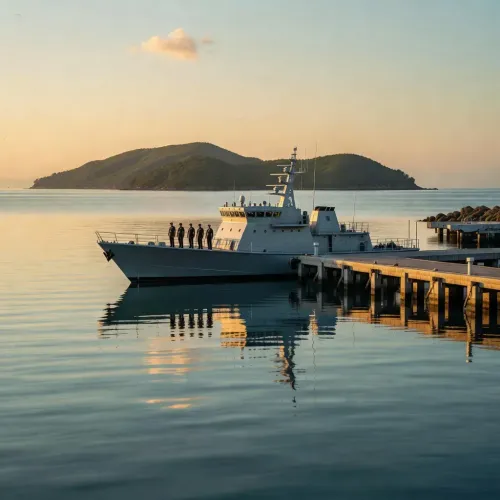
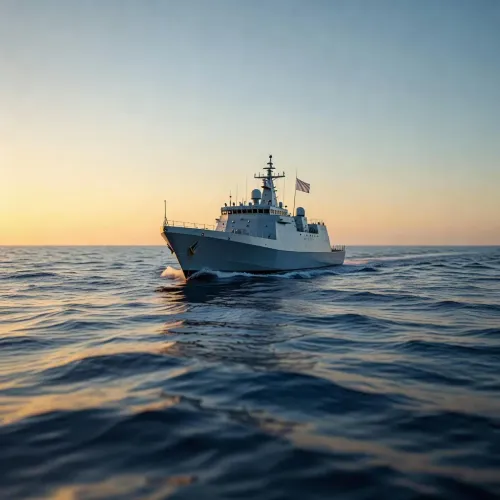
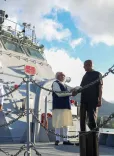
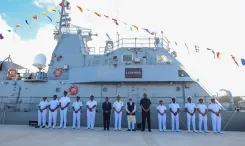
India has extended defence capacity-building support to Seychelles, including the gifting of patrol vessels and assistance with coastal surveillance infrastructure. These contributions have made New Delhi one of the most consequential external partners for Victoria, the Seychellois capital.
Stakeholders and Impact
The visit holds significance for both governments. For India, sustaining high-level presence in the Indian Ocean reinforces its role as the region's preferred security partner. For Seychelles, deeper cooperation with New Delhi translates into tangible support for maritime domain awareness, fisheries protection, and infrastructure development. Broader Indian Ocean island states — including Mauritius and Maldives — will also watch the outcomes closely, as agreements signed here tend to set precedents for similar bilateral frameworks.
What's Next
Bilateral talks are expected to cover maritime security, possible new agreements on the blue economy, and defence cooperation. Any joint statements or memoranda of understanding signed during the visit will be closely watched as indicators of the depth of the renewed partnership. The visit is also expected to produce people-to-people and cultural exchange components, given the Prime Minister's choice to open communication in Kreol Seselwa.
As India continues to deepen its Indian Ocean neighbourhood diplomacy, the Seychelles visit underscores that small island states remain central — not peripheral — to New Delhi's strategic calculus in the region.
Point of View
Distinguishing New Delhi from other external powers competing for influence in the Indian Ocean. The visit fits a well-established pattern of Modi personally anchoring India's island-nation diplomacy, using high-level presence to lock in strategic goodwill. Coming amid broader geopolitical contestation in the Indian Ocean Region, the Seychelles stop reinforces that India views even small island states as pivotal nodes in its maritime security architecture, not afterthoughts. The outcomes — likely MoUs on blue economy or surveillance cooperation — will test whether the SAGAR framework is delivering durable institutional depth or remaining largely rhetorical.
NationPress
27 Jun 2026
Frequently Asked Questions
Why is PM Modi visiting Seychelles in 2026?
Prime Minister Modi is visiting Seychelles to strengthen bilateral ties in maritime security, defence cooperation, and the blue economy, continuing India's sustained diplomatic engagement with Indian Ocean island nations under the SAGAR framework.
What is India's relationship with Seychelles?
India and Seychelles share longstanding ties in defence, coast guard cooperation, and development assistance. India has gifted patrol vessels and supported coastal surveillance infrastructure, making it one of Seychelles's most consequential bilateral partners.
What is the SAGAR doctrine?
SAGAR stands for 'Security and Growth for All in the Region,' a doctrine articulated by Prime Minister Modi during his 2015 Seychelles visit. It guides India's approach to Indian Ocean cooperation, emphasising shared maritime security and sustainable development.
Who is Dr. Patrick Herminie?
Dr. Patrick Herminie is a Seychellois official who received Prime Minister Modi at the airport during the 2026 bilateral visit. Modi publicly acknowledged his warm welcome in a post written in Seychellois Creole.
What agreements are expected from Modi's Seychelles visit?
Bilateral talks are expected to cover maritime security, blue economy cooperation, and defence partnerships. New memoranda of understanding in these areas are anticipated, though specific outcomes will be confirmed in any joint statement released after the visit.