PM Modi Celebrates Poila Boishakh, Highlighting Bengal's Cultural Influence on India
Synopsis
Prime Minister Narendra Modi extends heartfelt greetings on Poila Boishakh, emphasizing the festival's celebration of Bengal's rich cultural heritage and its significant impact on India's civilizational spirit. The occasion marks the Bengali New Year and is celebrated with joy and new beginnings.
Key Takeaways
Poila Boishakh signifies the Bengali New Year.
The festival highlights West Bengal's rich cultural heritage.
Celebrations include traditional attire, special meals, and cultural activities.
It symbolizes new beginnings, prosperity, and optimism.
PM Modi's message underscores the importance of regional contributions to India's culture.
New Delhi, April 15 (NationPress) On Wednesday, Prime Minister Narendra Modi conveyed heartfelt greetings to everyone celebrating Poila Boishakh, emphasizing the festival as an expression of West Bengal's rich cultural legacy, which has profoundly influenced India's civilizational identity.
In a message shared on social media platform 'X', PM Modi stated, "Shubho Noboborsho! I extend my warm wishes on this special occasion of Poila Boishakh. May the upcoming year fulfill all your aspirations. I hope the spirit of joy and unity prevails. Wishing everyone good health and immense happiness. This festival is also a time to honor the enduring richness of West Bengal's culture that has shaped India's civilizational essence."
Poila Boishakh, or Nobo Borsho, signifies the start of the Bengali New Year and stands as one of the most significant festivals for the Bengali community. It is celebrated with great fervor across states like West Bengal, Tripura, Jharkhand, and Assam, bringing people together in a shared spirit of joy and renewal. This year, the Bengali New Year is being celebrated on April 15, marking the commencement of a new calendar cycle.
The day is imbued with rich cultural and spiritual significance, symbolizing new beginnings, prosperity, and hope. It is regarded as highly auspicious, prompting many to start new ventures, purchase homes or vehicles, and commence business activities. The festival also marks the initiation of the Bengali calendar year 1433, underscoring its importance in local traditions.
Celebrations on Poila Boishakh are lively and deeply rooted in custom.
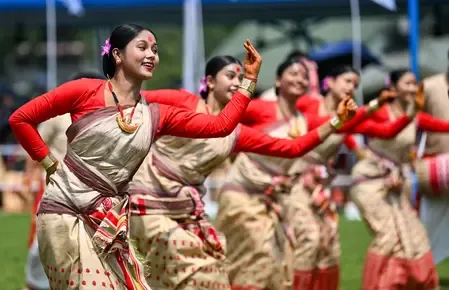
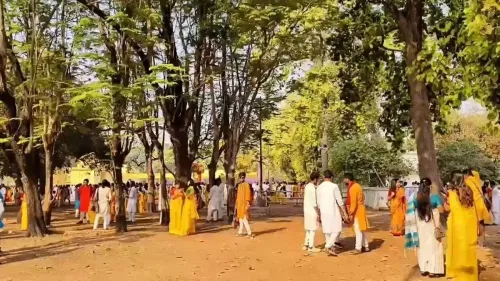
On this notable day, women don sarees while men wear kurtas. Families invite friends and relatives for celebrations, exchanging greetings and preparing special meals. Traditional village fairs are organized, where many gather to enjoy the day and share delicious traditional foods.
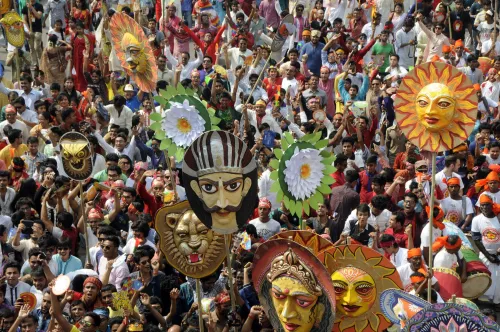
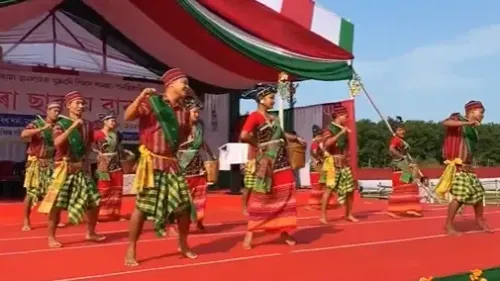
People participate in processions, dance, and sing traditional songs, believing this day to be exceptionally propitious.
A vital aspect of the Poila Baisakh festivities in Bengal is showcasing handicrafts. Many visit temples, observe fasts, and pray to the Goddess. It is a pivotal day for the Bengali business community, who express their devotion by worshipping Lord Ganesha and Goddess Lakshmi.
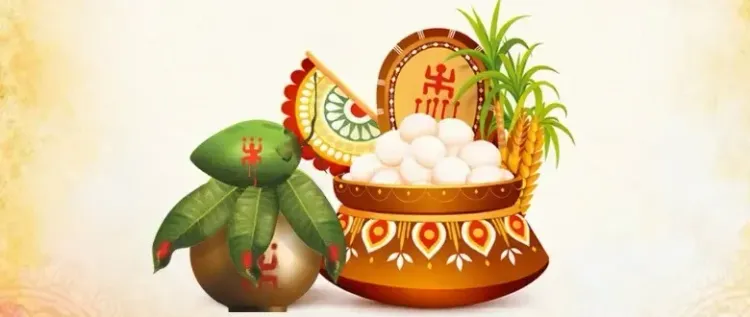
People acquire auspicious items and goods. To celebrate the occasion, sweet dishes are prepared at home, and new attire is worn.
Point of View
It's important to recognize the profound cultural significance of Poila Boishakh. Prime Minister Modi's acknowledgment of Bengal's contributions to India's heritage reflects a broader appreciation for regional diversity. Such festivals not only celebrate local traditions but also unify the nation's diverse cultural landscape.
NationPress
18 Sept 2026
Frequently Asked Questions
What is Poila Boishakh?
Poila Boishakh, also known as Nobo Borsho, is the Bengali New Year festival that symbolizes new beginnings and is celebrated with enthusiasm across the Bengali community.
Why is Poila Boishakh significant?
The festival holds deep cultural and spiritual meaning, marking a new calendar year and representing prosperity, optimism, and the enduring richness of Bengal's culture.
How do people celebrate Poila Boishakh?
Celebrations include wearing traditional attire, preparing special meals, participating in village fairs, and engaging in cultural activities such as dancing and singing.
When is Poila Boishakh celebrated?
Poila Boishakh is celebrated on April 15 each year, marking the beginning of the Bengali calendar.
What are some traditional foods prepared during Poila Boishakh?
Families prepare various traditional sweet dishes and meals to celebrate the occasion and share with loved ones.