PM Modi Hails Traditional Summer Drinks on Mann Ki Baat
Synopsis
Prime Minister Narendra Modi used his May 2026 Mann Ki Baat address to celebrate India's tradition of kitchen-ingredient summer beverages, calling them generational remedies that embody the spirit of Ek Bharat Shreshtha Bharat and national cultural unity.
Key Takeaways
PM Modi highlighted traditional kitchen-based summer drinks during his Mann Ki Baat address on 31 May 2026 .
He described these beverages as both heat-relieving and health-beneficial, passed down through generations.
Modi linked the tradition to Ek Bharat Shreshtha Bharat , the national integration scheme launched on 31 October 2015 .
Mann Ki Baat has been a monthly platform since October 2014 for Modi to connect with citizens on cultural and governance themes.
The message implicitly aligns with AYUSH Ministry efforts to promote traditional Indian wellness practices.
Regional drinks from across India — from aam panna to lassi to neer mor — are framed as expressions of shared national heritage.
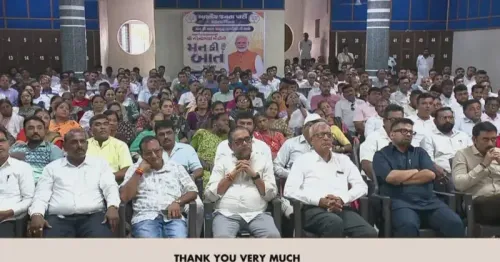
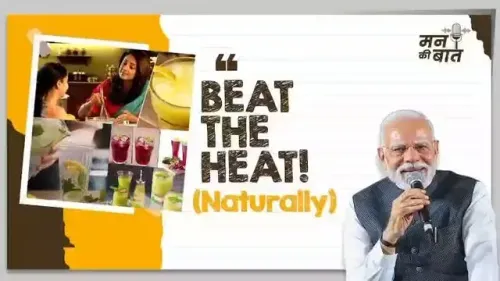
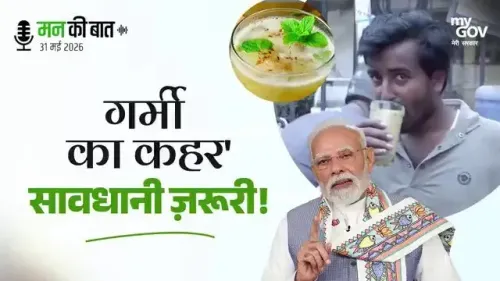
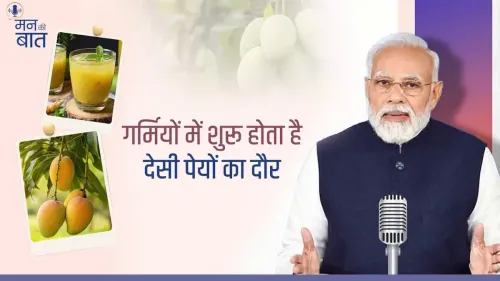
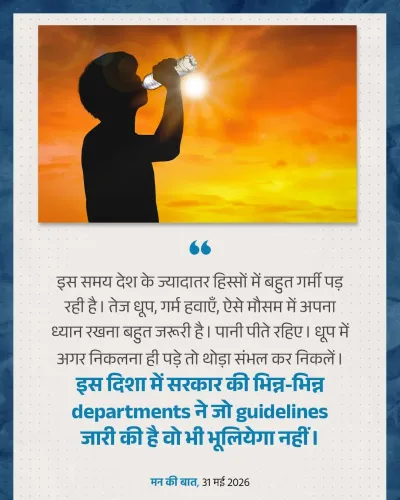
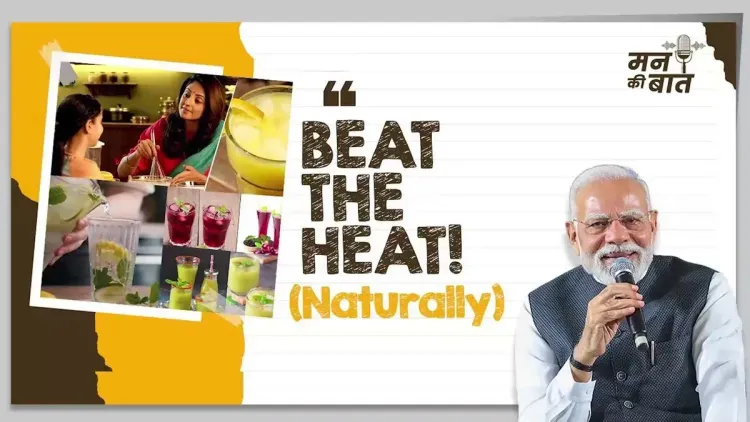
Prime Minister Narendra Modi, in his monthly Mann Ki Baat radio address, on Sunday, 31 May 2026, celebrated India's tradition of kitchen-ingredient-based summer beverages, calling them both refreshing and beneficial — and a living expression of national unity.
Posting in Hindi on X (formerly Twitter), Modi wrote: 'हमारे देश में तपती गर्मी से लड़ने में रसोई की चीजों से बने पेय पदार्थ भी बहुत काम आते हैं' — 'In our country, beverages made from kitchen ingredients are very useful in fighting the scorching heat, and along with providing relief, they are also quite beneficial.' He added that this tradition, passed down through generations, reflects the spirit of 'Ek Bharat, Shreshtha Bharat' — One India, Great India.
Context
Mann Ki Baat is a monthly radio programme Modi launched in October 2014 to connect directly with citizens on themes ranging from governance to everyday culture. The programme has consistently used personal, household-level examples to reinforce broader national narratives. This episode, broadcast amid the peak of India's summer season, drew attention to the cooling drinks that millions of Indian households prepare using ingredients like raw mango, cumin, coriander, and buttermilk.
The reference to intergenerational tradition underscores a recurring motif in Modi's public communication: that ordinary domestic practices carry deep civilisational and social significance.
Policy Backdrop
Ek Bharat Shreshtha Bharat was launched on 31 October 2015 to foster national integration by pairing states and union territories for structured cultural exchanges. The programme promotes shared heritage — in food, language, art, and custom — as a foundation for unity in a diverse country. By invoking this scheme in the context of summer beverages, Modi frames regional drink traditions — from Rajasthan's aam panna to Punjab's lassi to Tamil Nadu's neer mor — as threads in a common national fabric.
The AYUSH Ministry has separately promoted traditional Indian wellness practices, and observers note that highlighting kitchen remedies aligns with broader government messaging around self-reliance and indigenous knowledge systems.
Stakeholders and Impact
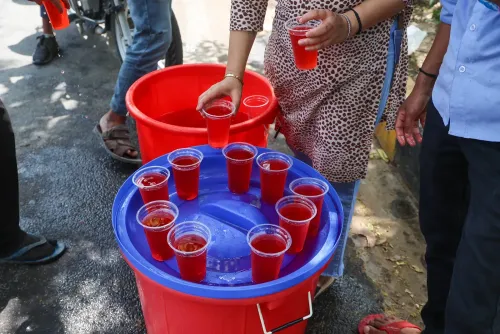
The immediate audience is the vast majority of Indian households that already rely on homemade summer drinks as both a cultural habit and a practical health measure. For traditional knowledge holders, local farmers growing raw mangoes, kokum, and other seasonal produce, and self-help groups that bottle and sell such beverages, the Prime Minister's endorsement provides symbolic validation and potential visibility.
The message also resonates with the wellness and Ayurveda sector, which has grown significantly in recent years. Framing these beverages within the Ek Bharat Shreshtha Bharat framework gives them a national-integration dimension beyond mere health advice.
What's Next
Future Mann Ki Baat episodes are likely to continue weaving cultural and traditional themes into the national conversation, particularly as the AYUSH Ministry expands outreach on traditional summer wellness practices. The invocation of Ek Bharat Shreshtha Bharat may also prompt state governments and cultural bodies to document and promote their regional summer beverage traditions as part of the programme's exchange activities. Analysts will watch whether this episode catalyses any formal government initiative linking traditional food knowledge with public health campaigns ahead of the monsoon season.
Point of View
He connects domestic habits to a formal policy architecture of unity, giving the episode a reach beyond nostalgia. This also subtly reinforces the government's broader push for indigenous knowledge systems and self-reliance, without the overt political framing that often accompanies larger policy announcements. The approach keeps Mann Ki Baat's tone accessible while advancing a coherent cultural-nationalist narrative.
NationPress
14 Oct 2026
Frequently Asked Questions
What did PM Modi say on Mann Ki Baat on 31 May 2026?
PM Modi praised India's tradition of making summer beverages from kitchen ingredients, saying they provide relief from heat and are health-beneficial, and that this generations-old tradition reflects the spirit of Ek Bharat Shreshtha Bharat.
What is Mann Ki Baat?
Mann Ki Baat is a monthly radio programme hosted by Prime Minister Narendra Modi, launched in October 2014, in which he addresses citizens on topics ranging from governance and culture to everyday life.
What is Ek Bharat Shreshtha Bharat?
Ek Bharat Shreshtha Bharat is a government initiative launched on 31 October 2015 to promote national integration by encouraging cultural exchanges between states and union territories, celebrating India's unity in diversity.
Which traditional Indian summer drinks is Modi referring to?
While Modi did not name specific drinks in the post, the reference covers regional staples like aam panna, lassi, buttermilk, jaljeera, and kokum sharbat — kitchen-ingredient beverages traditionally consumed across India during summer.
How does Modi connect summer drinks to national unity?
Modi frames these beverages as a shared intergenerational tradition found across India's diverse regions, using the Ek Bharat Shreshtha Bharat lens to present them as cultural threads that bind the nation together.