PM Modi Greets Rajnath Singh on Birthday, Hails Defence Self-Reliance Push
Synopsis
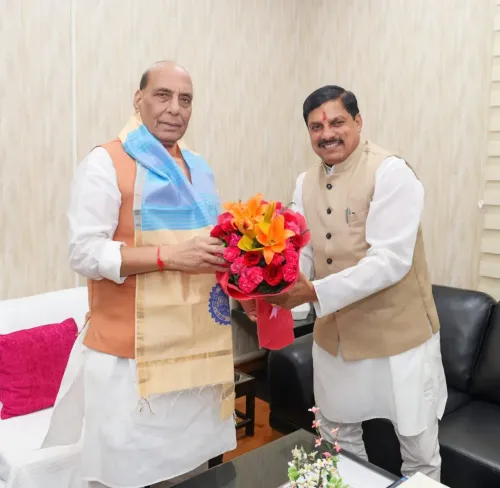
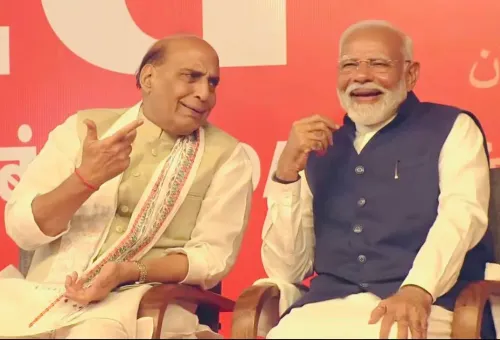
Prime Minister Narendra Modi greeted Union Defence Minister Rajnath Singh on his birthday on 10 July 2026, highlighting Singh's role in advancing India's Aatmanirbhar defence agenda and building a stronger, more secure nation.
Key Takeaways
PM Modi posted birthday greetings for Union Defence Minister Rajnath Singh on 10 July 2026 .
Modi credited Singh with being 'at the forefront' of making India Aatmanirbhar in defence.
Rajnath Singh has served as Defence Minister since 2019 , overseeing successive positive indigenisation lists banning imports of over 500 defence items .
The Aatmanirbhar Bharat initiative, announced in May 2020 , earmarked defence indigenisation as a core strategic priority within a Rs 20 lakh crore package.
India's defence indigenisation push has accelerated since the 2020 Galwan clashes with China , combining domestic production with export promotion.
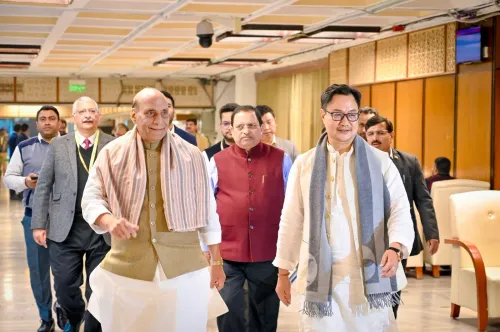
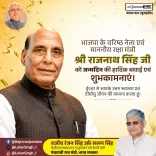
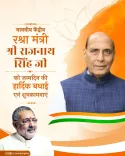
Prime Minister Narendra Modi on Friday, 10 July 2026 extended birthday greetings to Union Defence Minister Rajnath Singh, praising his leadership in advancing India's defence indigenisation agenda and building a stronger, more secure nation.
Context
In his post on X, PM Modi wrote: 'Birthday greetings to Union Defence Minister, Shri Rajnath Singh Ji. He is at the forefront of building a strong and secure India through his work towards ensuring our nation becomes Aatmanirbhar in the field of defence.' The Prime Minister also noted Singh's broader understanding of various policy domains, though the full text of the post was truncated.
Rajnath Singh, a senior BJP leader, has served as Union Defence Minister since 2019. He is among the longest-serving defence ministers in recent Indian history and has been a central figure in the government's push to reduce dependence on foreign military hardware.
Policy Backdrop
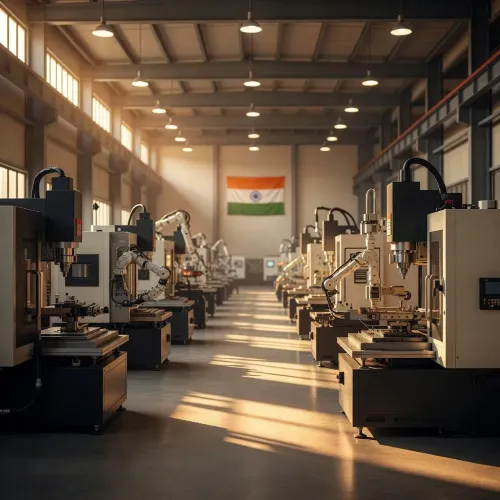
The Aatmanirbhar Bharat initiative, announced in May 2020 as part of a Rs 20 lakh crore economic package, designated defence indigenisation as a strategic priority. Under Singh's tenure, the government has issued successive positive indigenisation lists banning the import of over 500 defence items to stimulate domestic production.
This policy trajectory builds on the Make in India programme launched in 2014, which identified defence manufacturing as a core sector and was followed by FDI liberalisation in 2016 and 2020. The momentum accelerated notably after the 2020 Galwan clashes with China, which sharpened the political and strategic case for self-reliance in military equipment.
India's broader effort to reduce import dependence in defence dates to the 1990s, but the current administration has pursued it with greater legislative and budgetary focus, combining domestic production targets with selective technology partnerships and an emerging defence export drive.
Stakeholders and Impact
The beneficiaries of this policy direction include domestic defence manufacturers — both public-sector undertakings and a growing private-sector ecosystem — as well as the Indian Armed Forces, which are the end-users of indigenously developed platforms. Indigenisation also carries implications for employment and technology transfer within India's industrial base.
Singh has presided over the induction of several domestically developed systems and has championed export promotion, seeking to position India as a credible arms supplier to friendly nations. These efforts have drawn bipartisan acknowledgement of the minister's administrative continuity and institutional familiarity with the defence establishment.
What's Next
Parliamentary deliberations on the next defence budget and any additional negative import lists or major indigenous platform inductions are expected to remain in focus through late 2026. Singh's continued stewardship of the ministry will be closely watched as the government seeks to meet its stated targets for domestic defence production and export revenue in the coming fiscal cycle.
Point of View
Modi ties Singh's personal legacy directly to one of the government's most visible policy brands. The acknowledgement comes at a moment when the defence indigenisation programme faces scrutiny over delivery timelines and export targets, lending the minister visible prime ministerial backing. It also signals continuity of Singh's tenure at a ministry where institutional memory and inter-service relationships are considered strategic assets.
NationPress
10 Jul 2026
Frequently Asked Questions
Why did PM Modi wish Rajnath Singh on his birthday?
PM Modi extended birthday greetings to Union Defence Minister Rajnath Singh on 10 July 2026, praising his contribution to making India self-reliant in defence under the Aatmanirbhar Bharat initiative.
What is Aatmanirbhar Bharat in defence?
Aatmanirbhar Bharat in defence refers to India's policy of reducing dependence on imported military equipment by promoting domestic production. The government has banned imports of over 500 defence items through successive positive indigenisation lists since 2021.
How long has Rajnath Singh been Defence Minister?
Rajnath Singh has served as India's Union Defence Minister since 2019, making him one of the longest-serving ministers in that role in recent history.
What is the positive indigenisation list in Indian defence?
The positive indigenisation list is a government-notified schedule of defence items that can only be procured from Indian manufacturers, effectively banning their import to boost domestic production. Over 500 items have been listed since 2021.
What is India's defence indigenisation target?
India has set ambitious domestic defence production and export targets under the Aatmanirbhar Bharat framework, with parliamentary and budgetary scrutiny of progress expected through late 2026. Specific revised targets for the current fiscal cycle have not yet been officially announced.