PM Modi launches Bharat Parv at Statue of Unity
Synopsis
Prime Minister Narendra Modi inaugurated Bharat Parv at the Statue of Unity in Kevadia, Gujarat on 30 October 2026, visiting stalls of artisans from across India, praising their craftsmanship, and reinvigorating the Vocal for Local campaign at the foot of the world's tallest statue.
Key Takeaways
PM Narendra Modi inaugurated Bharat Parv at the Statue of Unity, Kevadia, Gujarat on 30 October 2026 .
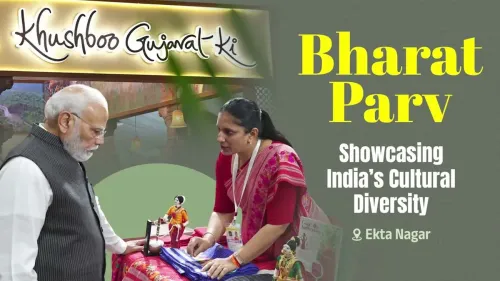
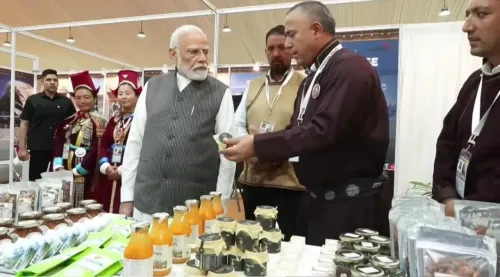
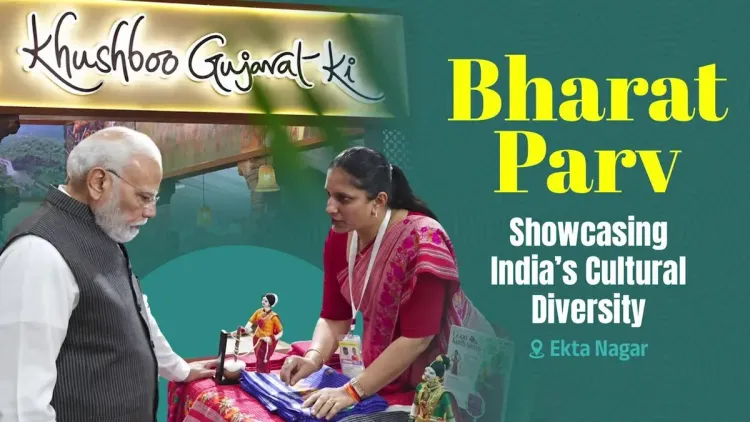
Modi personally visited artisan stalls and held conversations with craftspeople from multiple Indian states.
The event was framed as a celebration of national unity through cultural diversity, aligned with the Vocal for Local campaign.
The Statue of Unity — inaugurated on 31 October 2018 and standing 182 metres tall — is a tribute to Sardar Vallabhbhai Patel , India's first Deputy Prime Minister.
Bharat Parv has traditionally been held in Delhi during Republic Day; this edition marks a significant expansion to a national monument in Gujarat.
The event connects to the Ek Bharat Shreshtha Bharat programme launched in 2015 to promote cross-state cultural exchange.
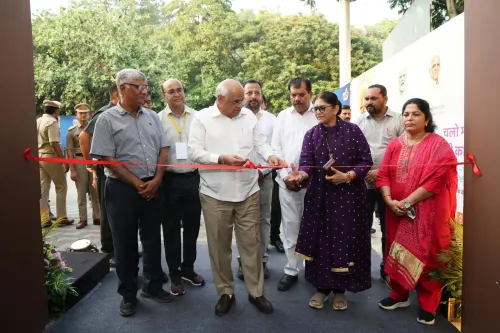
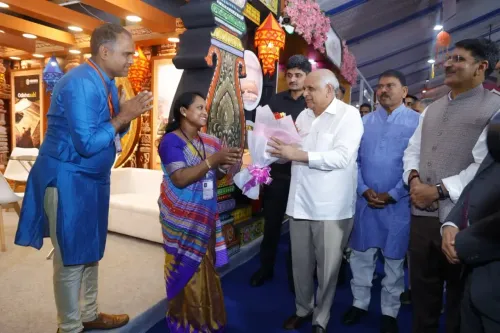
At the foot of the world's tallest statue, India's arts, crafts, and cultures converged into one vivid national celebration. Prime Minister Narendra Modi on Friday, 30 October 2026, inaugurated Bharat Parv at the Statue of Unity in Kevadia, Gujarat, walking through stalls that brought artisans and craftspeople from across every corner of the country under a single sky.
What Modi did at the stalls — and why it matters
The Prime Minister did not merely inaugurate and depart. He visited individual stalls, held conversations with participating artisans and craftspeople, and publicly praised their skills — a deliberate, visible endorsement that injected fresh momentum into the government's 'Vocal for Local' campaign. The initiative, which has been encouraging citizens to choose Indian-made goods and support domestic craftspeople, received what the Chief Minister's Office of Gujarat described as 'new strength' through the gesture.
The post, shared by the Chief Minister's Office of Gujarat, described Bharat Parv as a festival that 'illuminates unity within India's artistic craftsmanship and cultural diversity' — framing the event squarely as a celebration of national integration expressed through regional creativity.
The Statue of Unity as the chosen stage
The location is anything but incidental. The Statue of Unity, inaugurated by Prime Minister Modi on 31 October 2018 to mark the birth anniversary of Sardar Vallabhbhai Patel, stands at 182 metres in height, making it the tallest statue in the world. Patel, India's first Deputy Prime Minister, is celebrated as the Loha Purush — the Iron Man — for his role in unifying India's princely states after independence in 1947. Hosting a cultural unity festival in his shadow carries an unmistakable symbolic weight: the man who forged the nation, now the backdrop for its living cultural mosaic.
Bharat Parv's roots — and its new address
Bharat Parv as a concept has its roots in the government's broader Ek Bharat Shreshtha Bharat programme, launched in 2015, which was designed to promote cultural exchange and mutual understanding between states. The festival has traditionally found its home in Delhi during Republic Day celebrations, making a major edition at the Statue of Unity a notable geographical expansion — taking the event from the capital's ceremonial heart to one of Gujarat's most prominent national landmarks.
Artisans from multiple states participated, turning the festival ground into a live map of India's handicraft traditions — a model that central governments have consistently used at iconic monuments to marry regional heritage with national unity messaging.
The craft stalls, the personal conversations, the prime ministerial stamp of approval — these are not small details. They are the policy made visible, one artisan at a time.
Point of View
The Prime Minister activates the symbolic power of the site — Sardar Patel's legacy of unification — as a live endorsement of domestic craftsmanship. The geographical shift of the festival from Delhi to Kevadia also signals a broader strategy of decentralising prestige cultural events to BJP-governed states' flagship landmarks. If this edition proves successful in footfall and media reach, expect Bharat Parv editions at other national monuments to follow in the coming fiscal years.
NationPress
30 Oct 2026
Frequently Asked Questions
What is Bharat Parv and where is it held?
Bharat Parv is an annual festival showcasing India's cultural diversity through artisan stalls, craft displays, and performances. It has traditionally been held in Delhi during Republic Day celebrations, but a major edition was held at the Statue of Unity in Kevadia, Gujarat on 30 October 2026.
Why was Bharat Parv held at the Statue of Unity?
The Statue of Unity, the world's tallest statue dedicated to Sardar Vallabhbhai Patel — India's unifier — provides a powerful symbolic setting for a festival celebrating national unity through cultural diversity. The location ties the event's theme directly to Patel's legacy of national integration.
What is the Vocal for Local campaign?
Vocal for Local is a government campaign launched around 2020 that encourages Indian citizens to buy and promote domestically made goods and support local artisans and craftspeople.
When was the Statue of Unity inaugurated and how tall is it?
The Statue of Unity was inaugurated by Prime Minister Narendra Modi on 31 October 2018, on Sardar Patel's birth anniversary. Standing at 182 metres, it is the world's tallest statue.
What is the Ek Bharat Shreshtha Bharat programme?
Ek Bharat Shreshtha Bharat is a government programme launched in 2015 to foster cultural exchange and mutual understanding between India's states, which forms a key policy backdrop for events like Bharat Parv.