Nadda tells Congress: introspect, not cry vote theft
Synopsis
BJP national president J. P. Nadda challenged Congress on 30 October 2026 to introspect on its repeated electoral rejections rather than alleging vote theft, asserting that the NDA's wins reflect genuine public support earned through governance and hard work.
Key Takeaways
Nadda , BJP national president and Union Health Minister, posted a sharp attack on Congress on 30 October 2026 .
Nadda demanded Congress introspect on why voters keep rejecting it instead of alleging vote theft after losses.
He pointed out that Congress has been out of power in several states for decades , undermining fraud claims.
Nadda credited NDA 's continued state-level wins to governance and hard work, not procedural advantage.
Congress leadership had not formally responded at the time of publication.
The exchange signals an early, intensifying battle over electoral narratives ahead of forthcoming state assembly elections .
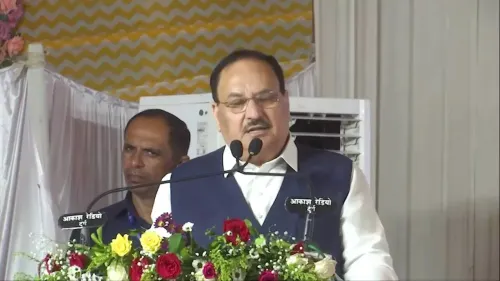
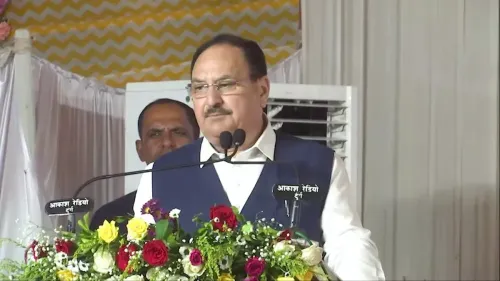
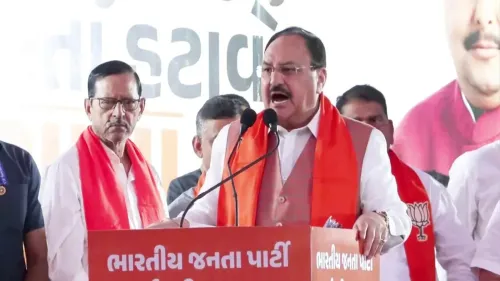
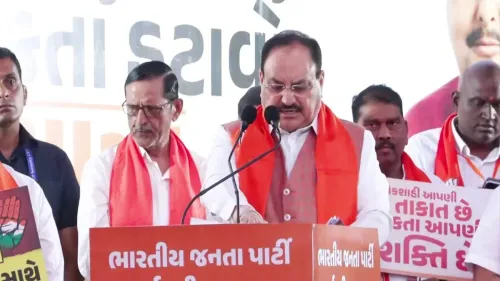
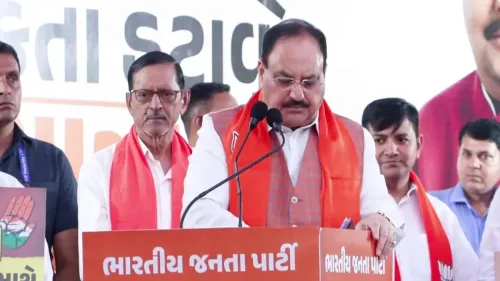
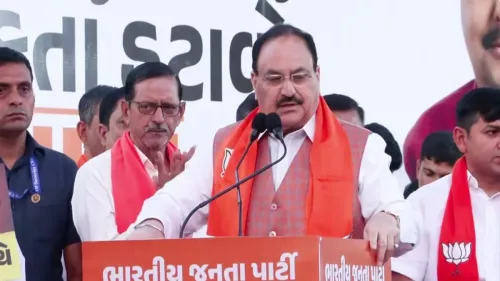
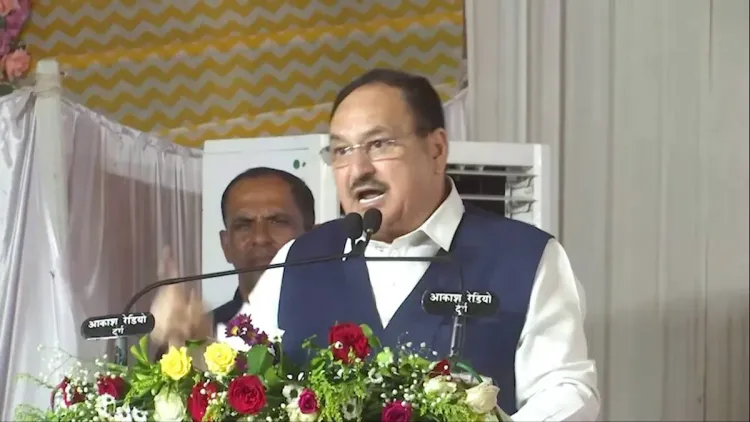
Every time an election slips away, the same script plays out — and Union Health Minister and BJP national president J. P. Nadda has had enough of it. On Friday, 30 October 2026, Nadda fired a pointed broadside at the Indian National Congress, demanding the opposition party look inward instead of reaching for its favourite post-defeat alibi: vote theft.
Posting in Hindi on X, Nadda wrote: 'कांग्रेस को आत्ममंथन करना चाहिए कि जनता उसे बार-बार क्यों नकार रही है' — 'Congress must introspect on why the public keeps rejecting it time and again.' He noted that despite being locked out of power in several states for decades, the party still defaults to allegations of electoral fraud whenever votes are counted. His kicker: 'The public's heart is won through work and effort, not through allegations of vote theft.'
A pattern longer than any single election
Nadda's attack is not a one-off salvo — it taps into a tension that has defined Indian opposition politics since 2014, when the NDA ended a decade of Congress-led UPA rule at the centre. In the years since, Congress has struggled to recapture ground in a string of state assembly elections, and allegations of procedural irregularities have become a recurring feature of post-result discourse.
The BJP president's argument is straightforward: a party absent from power in certain states for decades cannot credibly blame every loss on rigging. The arithmetic of sustained rejection, he implies, demands a more honest accounting.
NDA's 'people's mandate' counter-narrative
Nadda's post doubles as a framing exercise for the NDA's own electoral identity. By contrasting 'continuous popular support' with Congress's fraud claims, he positions the alliance's wins as earned through governance — development work, welfare delivery, boots on the ground — rather than procedural advantage. It is a narrative the ruling coalition has leaned on consistently across state cycles.
Congress leadership has not yet formally responded to the remarks. With state assembly elections on the horizon in multiple constituencies, the exchange signals that the battle over how electoral defeats are explained — and how victories are legitimised — is already underway.
Work wins votes. That, Nadda is betting, is the only argument that needs making.
Point of View
Designed to neutralise Congress's go-to procedural objections before results even arrive — essentially pre-debunking a script the opposition has used repeatedly since 2014. By anchoring the NDA's identity to 'work and effort,' he is also quietly drawing a contrast with any party that campaigns on grievance rather than governance. The durability of this narrative will depend on whether the NDA can convert it into concrete state-level wins in the cycles ahead. For Congress, the silence so far is itself a data point the BJP will exploit.
NationPress
31 Oct 2026
Frequently Asked Questions
What did JP Nadda say about Congress and vote theft allegations?
On 30 October 2026, Nadda said Congress should introspect on why voters repeatedly reject it rather than alleging vote theft after every electoral loss, noting the party has been out of power in several states for decades.
Why does BJP say Congress keeps losing elections?
BJP's position, as stated by president J. P. Nadda, is that Congress loses because it has failed to win public trust through governance and hard work, not because of any electoral malpractice.
What is the NDA's claim about its electoral wins?
The NDA, led by BJP, claims its continuous popular support across state elections reflects the public rewarding genuine governance and development work rather than any procedural advantage.
Has Congress been out of power in some states for a long time?
Yes. Congress has been absent from government in several Indian states for extended periods — in some cases decades — a fact Nadda cited to question the credibility of recurring vote-theft allegations.
When did the NDA first come to power at the centre?
The NDA, led by BJP, came to power at the centre in the 2014 general elections, ending a decade of Congress-led UPA rule, and has remained in government since.