PM Modi marks Chhath Puja conclusion, seeks Chhathi Maiya's blessings
Synopsis
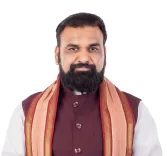
Prime Minister Narendra Modi on 16 November 2026 marked the conclusion of Chhath Puja's four-day observance, sharing a Hindi message invoking Chhathi Maiya's blessings on all fasting devotees and his 'family members across the nation' as the Usha Arghya ritual completed the festival cycle.
Key Takeaways
PM Narendra Modi posted a Chhath Puja conclusion message on 16 November 2026 as the Usha Arghya (sunrise offering) was performed.
Chhath Puja is a four-day Hindu festival honouring the Sun God and Chhathi Maiya , involving a rigorous 36-hour waterless fast.
Modi described the festival as a 'wondrous confluence of firm resolve and spiritual pursuit' and prayed for blessings on all vratiyaan (devotees).
The festival is widely observed in Bihar , Jharkhand , and eastern Uttar Pradesh , with growing observance among the Bihari diaspora across India and abroad.
Modi's message follows his consistent practice of publicly marking major regional religious and cultural festivals as expressions of national unity.
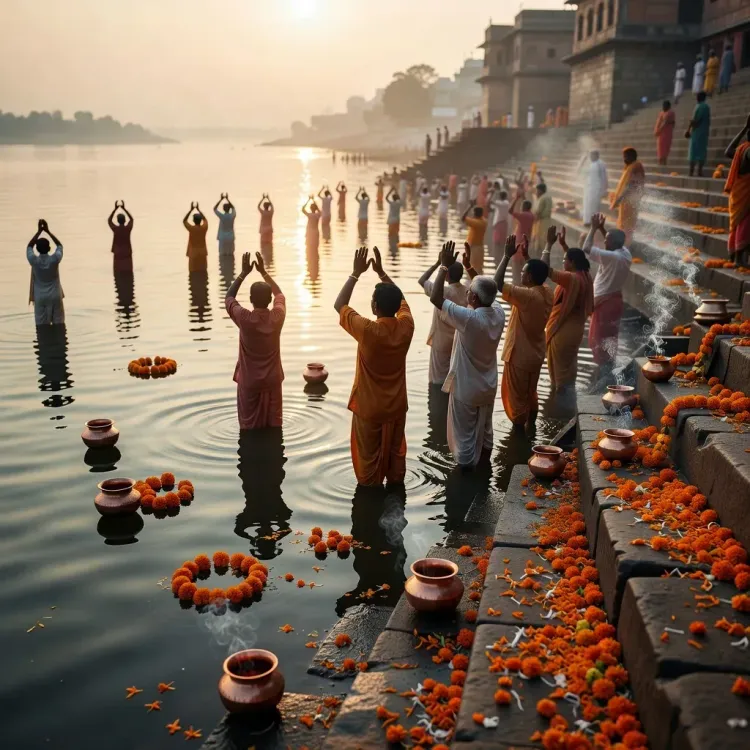
As the first rays of the rising sun touched rivers and ponds across Bihar, Jharkhand, and eastern Uttar Pradesh on Monday, 16 November 2026, Prime Minister Narendra Modi marked the culmination of Chhath Puja — the four-day festival of austere devotion and gratitude to the Sun God — with a heartfelt message invoking blessings for devotees and the entire nation.
Posting in Hindi on the morning of Usha Arghya — the final ritual offering made to the rising sun — PM Modi described the festival as a divine convergence of resolve and spiritual discipline: 'दृढ़ संकल्प और आध्यात्मिक साधना का अद्भुत संगम' ('a wondrous confluence of firm resolve and spiritual pursuit'). He prayed to Chhathi Maiya to bestow her blessings on all vratiyaan (fasting devotees) and on what he called 'my family members across the country.'
Four days of fasting, water, and fire
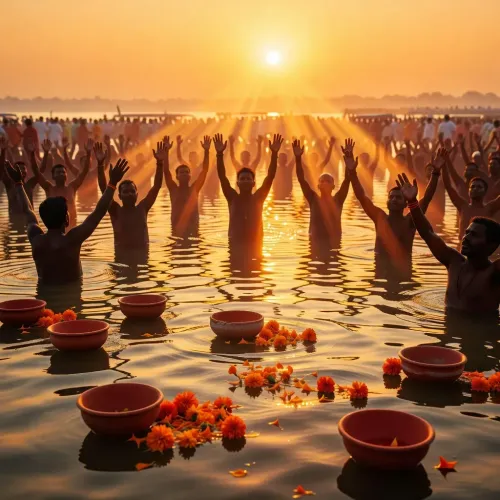
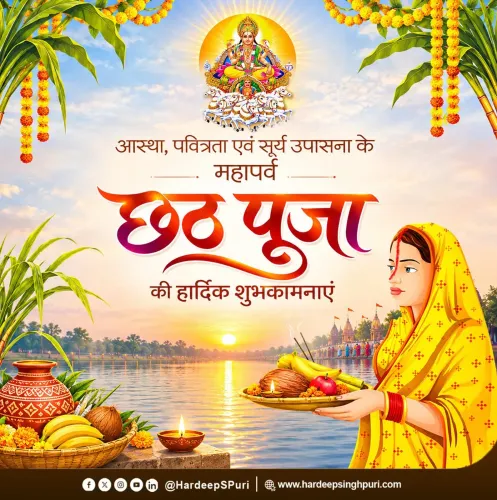
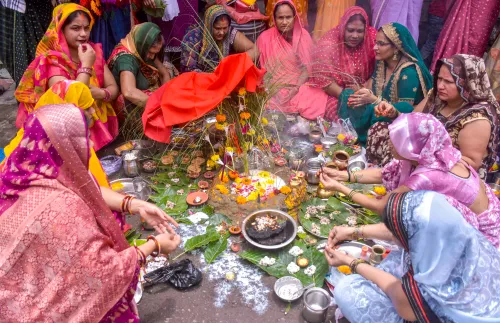
Chhath Puja is among the most physically demanding religious observances in the Hindu calendar. Spanning four days, it includes a 36-hour continuous fast — without water — undertaken largely by women, culminating in offerings made at the water's edge at both sunset (Sandhya Arghya) and sunrise (Usha Arghya). The festival is dedicated to Surya Dev, the Sun God, and Chhathi Maiya, believed to protect children and grant prosperity. No idol is worshipped; nature itself — the sun, water, earth — is the altar.
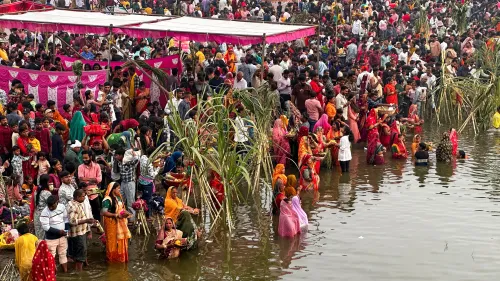
The festival draws some of the largest peaceful public gatherings in India, with riverbanks and makeshift water bodies in cities from Patna to Delhi thronging with devotees in the predawn hours. The Bihari diaspora has carried Chhath far beyond its heartland — it is now observed publicly in cities across Maharashtra, Gujarat, and even internationally.
Modi's consistent engagement with India's regional festivals
The Prime Minister's post fits a well-established pattern: Modi routinely marks major regional festivals with personalised messages that frame local traditions as threads in a broader national fabric. Chhath, with its enormous emotional resonance in Bihar and among Bihari communities spread across India, holds particular cultural and political significance. The image of the vratin standing waist-deep in water at dawn has come to symbolise an entire region's identity and pride.
By addressing devotees as 'my family members' (mere parivaarjan), the message carries the intimate register that has become a hallmark of Modi's public communication — collapsing the distance between state and citizen through the shared language of faith and belonging.
The sun rose. The arghya was offered. And a festival built on stillness, sacrifice, and gratitude completed its cycle — carrying with it the prayers of millions.
Point of View
Reinforcing emotional connectivity with communities — particularly Bihari voters — spread across states. The choice of Hindi and the intimate term 'parivaarjan' (family members) sustains a governing communication style that blurs the boundary between head of government and spiritual well-wisher. While the post carries no policy content, its frequency and consistency across festivals signal that cultural affirmation is itself a governance posture for this administration — one that shapes political goodwill at scale.
NationPress
16 Nov 2026
Frequently Asked Questions
What is Chhath Puja and when is it celebrated?
Chhath Puja is a four-day Hindu festival dedicated to the Sun God and Chhathi Maiya, observed primarily in Bihar, Jharkhand, and eastern Uttar Pradesh. It involves strict fasting, ritual bathing, and offerings (arghya) made at sunrise and sunset, typically falling in the month of Kartik (October-November).
What is Usha Arghya in Chhath Puja?
Usha Arghya is the final ritual of Chhath Puja, in which devotees stand in water and offer prayers to the rising sun at dawn. It marks the conclusion of the four-day observance and the breaking of the extended fast.
What did PM Modi say about Chhath Puja 2026?
PM Modi posted a Hindi message on 16 November 2026 describing Chhath as a divine festival of resolve and spiritual discipline, and prayed to Chhathi Maiya to bless all fasting devotees and 'family members across the country.'
Who is Chhathi Maiya?
Chhathi Maiya is a Hindu deity associated with the Sun God's worship during Chhath Puja. She is believed to protect children and grant prosperity, and is the central figure of devotion during the festival alongside Surya Dev.
In which states is Chhath Puja most widely celebrated?
Chhath Puja is most widely celebrated in Bihar, Jharkhand, and eastern Uttar Pradesh. It is also observed by large Bihari diaspora communities in cities like Delhi, Mumbai, and internationally.