CM Rekha Gupta hails PM Modi's Arvind Ltd factory launch in Varanasi
Synopsis
Delhi CM Rekha Gupta hailed PM Modi's inauguration of an Arvind Limited garment facility in Varanasi as a landmark moment for women's employment, textile exports, and the Atmanirbhar Bharat agenda, saying Banaras's craftsmanship will now access global markets.
Key Takeaways
PM Narendra Modi inaugurated an Arvind Limited garment factory in Varanasi on 25 October 2026 .
Delhi CM Rekha Gupta praised the inauguration as a step toward women's empowerment and self-reliant India.
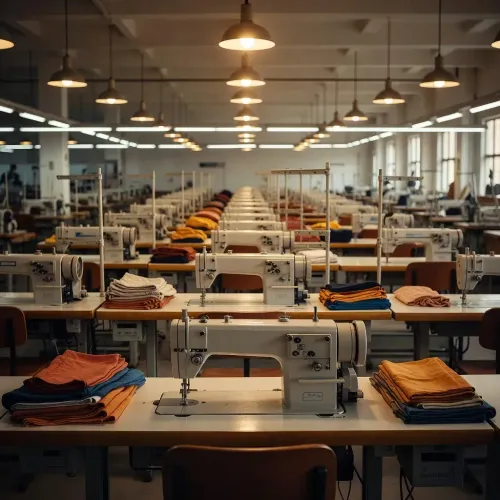
The facility brings organised, large-scale garment manufacturing to a city known for fragmented handloom weaving.
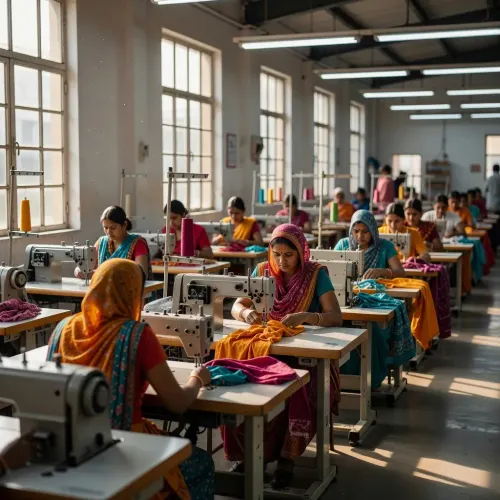
Women workers — described as 'Kashi ki betiyon' (daughters of Kashi) — are the stated primary beneficiaries.
The inauguration aligns with the Atmanirbhar Bharat Abhiyan 's production-linked push in the textile sector launched in 2020 .
Employment figures and export orders from the new facility will be the key metrics to watch once it is fully operational.
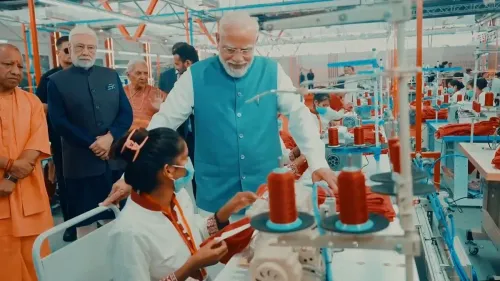
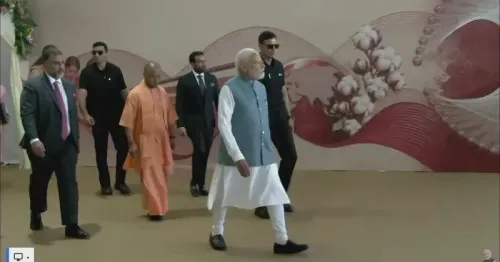
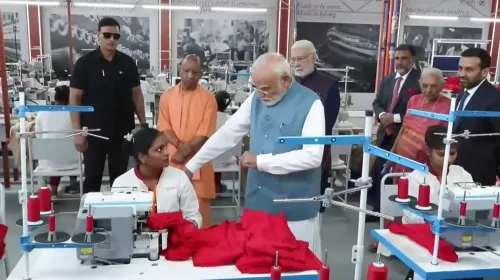
A garment factory inauguration in the heart of India's silk capital is being framed as more than a ribbon-cutting — it is a bet that Varanasi's centuries-old craft can anchor modern, large-scale employment. Delhi Chief Minister Rekha Gupta on Sunday, 25 October 2026, welcomed Prime Minister Narendra Modi's inauguration of an Arvind Limited garment manufacturing facility in Varanasi, calling it a decisive step toward women's empowerment and self-reliant India.
Posting in Hindi, CM Gupta wrote: 'Banaras ke hunar ko ab duniya ka baazaar milega, Kashi ki betiyon ke sapnon ko nayi udaan milegi' — 'The craftsmanship of Banaras will now find a global market; the dreams of Kashi's daughters will find new wings.' She described the inauguration as 'an important step in the direction of employment, women's empowerment, and Atmanirbhar Bharat,' signing off with the phrase Virasat bhi, Vikas bhi — 'Heritage too, development too.'
Arvind Limited arrives in the silk city
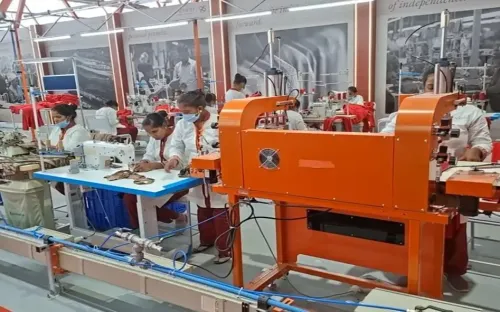
Arvind Limited, the Ahmedabad-based textile and apparel conglomerate, brings industrial-scale garment production to a city that has long been synonymous with handwoven Banarasi silk. The move is significant: Varanasi's weaving tradition has historically been fragmented across thousands of small looms, leaving artisans — many of them women — vulnerable to price shocks and limited export access. A large organised manufacturing facility changes that equation by creating formal employment alongside the informal weaving ecosystem.
PM Modi, who represents Varanasi in the Lok Sabha, has consistently channelled central investment into the constituency — from the Kashi Vishwanath Corridor to Smart City upgrades. A flagship garment factory by a nationally recognised manufacturer fits the pattern of linking heritage identity with industrial ambition.
Women workers at the centre of the pitch
The emphasis on 'Kashi ki betiyon' — daughters of Kashi — is pointed. Women constitute a large share of the textile workforce in eastern Uttar Pradesh, yet formal, salaried employment in the sector has remained limited. Organised garment factories tend to offer stable wages, provident fund coverage, and skill development — benefits that home-based weaving rarely provides.
The Atmanirbhar Bharat Abhiyan, launched in May 2020, included production-linked incentives specifically for textiles and apparel, aiming to build domestic manufacturing capacity and grow India's share of global garment exports — a market currently dominated by Bangladesh and Vietnam. A new facility in Varanasi, once operational at scale, would contribute to those export ambitions while deepening employment in one of Uttar Pradesh's most politically watched districts.
Heritage and development as a political grammar
The phrase Virasat bhi, Vikas bhi — heritage too, development too — is not incidental. It is the governing idea behind how the BJP has presented Varanasi's transformation under Modi's tenure: the ancient city's cultural identity not as a constraint on growth but as a brand that amplifies it. A world-class garment factory that can put 'Made in Varanasi' on global shelves is the economic argument that backs that political grammar.
The real measure will come in the numbers: jobs created, share of women in the workforce, and export orders secured. Those figures, once the facility is fully operational, will determine whether Kashi ki betiyon ke sapne — the dreams of Kashi's daughters — find the wings promised today.
Point of View
Both the Prime Minister and Delhi CM Rekha Gupta are signalling that textile-sector growth in eastern Uttar Pradesh is being consciously framed as a gender-empowerment story, not just an economic one. This also dovetails with India's broader ambition to capture a larger share of global garment exports from South Asian competitors. Whether the factory delivers on these promises will hinge on its hiring composition and the supply-chain links it builds with Varanasi's existing handloom artisans.
NationPress
25 Oct 2026
Frequently Asked Questions
What is the Arvind Limited factory inaugurated in Varanasi?
It is a garment manufacturing facility set up by Arvind Limited , an Ahmedabad-based textile conglomerate, in Varanasi , inaugurated by PM Narendra Modi on 25 October 2026 to boost employment and textile exports in eastern Uttar Pradesh.
Why did CM Rekha Gupta comment on a Varanasi factory?
Delhi CM Rekha Gupta posted on X to welcome the inauguration as a BJP leader celebrating a national initiative, framing the factory as a milestone for women's empowerment and the Atmanirbhar Bharat agenda.
What is Atmanirbhar Bharat and how does it relate to textiles?
The Atmanirbhar Bharat Abhiyan , launched in May 2020 , promotes domestic manufacturing through production-linked incentives; its textile component aims to grow India's garment export capacity and reduce dependence on imports.
How will the new Varanasi factory help women workers?
Organised garment factories typically offer formal employment with stable wages and skill development, benefiting women in eastern Uttar Pradesh who currently rely heavily on informal, home-based weaving with limited income stability.
What is the significance of Varanasi for India's textile sector?
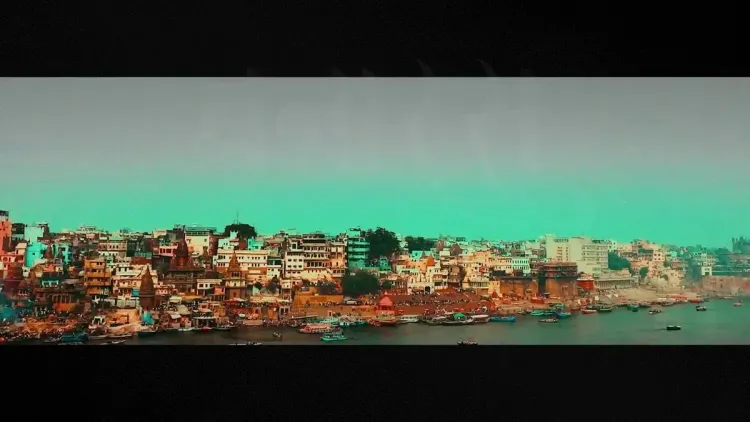
Varanasi is globally renowned for Banarasi silk handloom weaving; adding large-scale modern garment manufacturing positions the city to access international markets while supporting its traditional craft ecosystem.