PM Modi Highlights Collective Action in Planting and Seed Conservation
Synopsis
In a recent episode of Mann Ki Baat, PM Modi underscored the power of community involvement in driving change, showcasing remarkable initiatives like a record-setting plantation drive in Varanasi and a seed conservation project in Nagaland.
Key Takeaways
Community Participation: Collective action can lead to significant change.
Guinness Record: Varanasi's plantation drive set a world record.
Traditional Knowledge: Conservation of seeds is vital for future generations.
Nationwide Campaign: 'Ek Ped Maa Ke Naam' is promoting tree planting across India.
Environmental Solutions: Local initiatives can address global climate challenges.
New Delhi, March 29 (NationPress) Prime Minister Narendra Modi highlighted the impact of collective participation during his monthly radio show, Mann Ki Baat, asserting that even minor contributions can lead to substantial change when communities unite.
He remarked, “When society comes together, even small actions can serve as the cornerstone for significant transformations. Numerous examples across our nation illustrate this.”
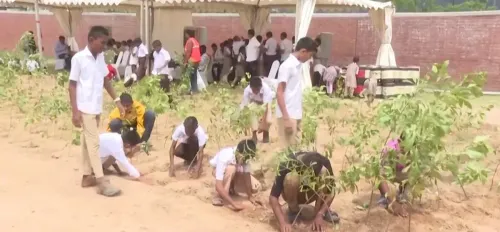
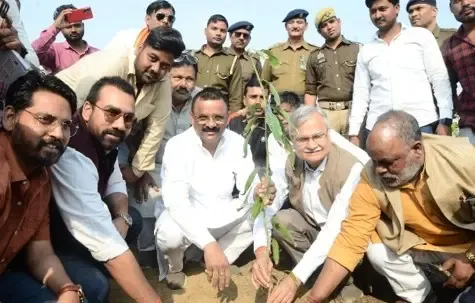
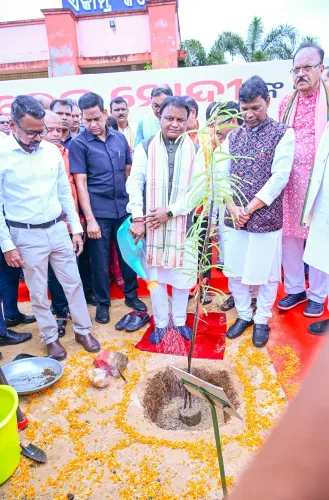
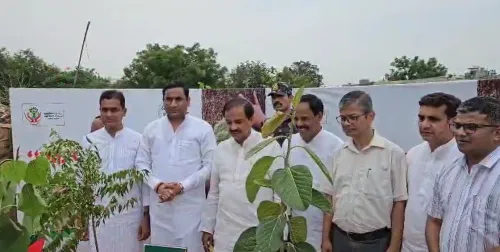
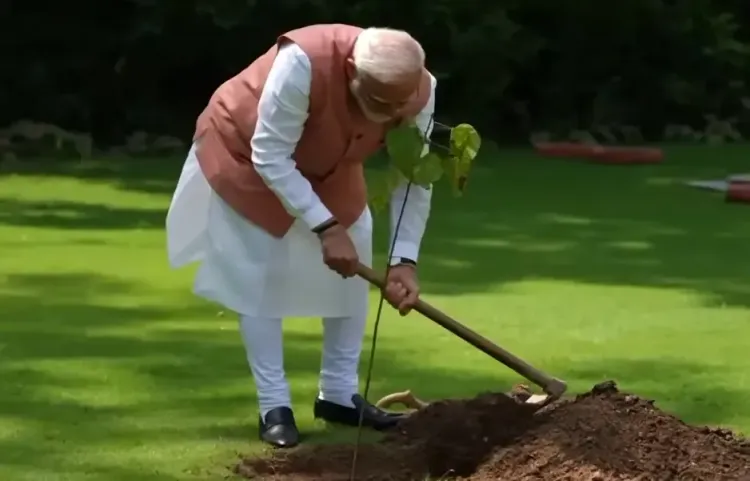
Modi cited a remarkable plantation initiative in Varanasi, Uttar Pradesh, where over 251,000 saplings were planted within one hour, establishing a new Guinness World Record.
“In Varanasi, Uttar Pradesh, we recently witnessed an extraordinary effort where more than 251,000 saplings were planted in merely one hour, thus setting a new Guinness World Record,” he stated.
The Prime Minister noted that what stood out most was the extensive public engagement.
“The sheer number of participants was incredible. Thousands, including students, youth, volunteer groups, and various institutions, collaborated to make this achievement possible,” he remarked.
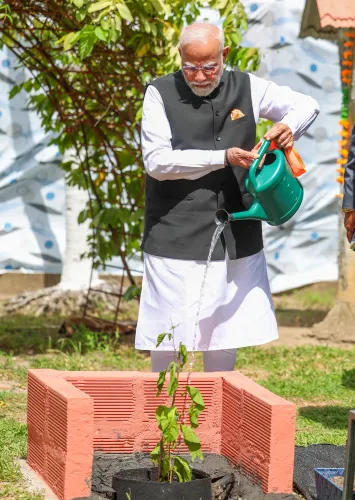
Modi also referenced the “Ek Ped Maa Ke Naam” campaign, which promotes tree planting efforts nationwide.
“This same spirit of community engagement can be seen in the ‘Ek Ped Maa Ke Naam’ initiative, where millions of trees have been planted throughout the country,” he added.
Additionally, he spotlighted a grassroots conservation project in Chizami village, Nagaland, where local women are diligently preserving traditional agricultural knowledge.
“An inspiring effort has emerged from Chizami village in Nagaland, where local women are working together to conserve over 150 varieties of traditional seeds in a community seed bank managed by them,” he explained.
He elaborated that these preserved seeds encompass a wide variety of crops, including rice, millet, maize, pulses, vegetables, and numerous herbs, showcasing the richness of traditional farming.
“These seeds include rice, millet, maize, pulses, vegetables, and various herbs. This initiative not only preserves knowledge but also sustains traditions and builds a strong foundation for future generations,” Modi stated.
Linking these grassroots efforts to wider global issues, the Prime Minister noted that they offer invaluable lessons as the world wrestles with environmental challenges.
“Today, as the world faces issues like climate change, these initiatives demonstrate that solutions can often be found close to home. Sometimes, our traditional knowledge and community efforts provide the most effective paths forward,” he concluded.
Point of View
The emphasis on community participation in environmental initiatives shows a positive trend. The Prime Minister's focus on grassroots efforts reflects a growing awareness of the importance of traditional practices and public collaboration in addressing contemporary issues such as climate change.
NationPress
29 Sept 2026
Frequently Asked Questions
What was the plantation record set in Varanasi?
Over 251,000 saplings were planted in one hour, setting a new Guinness World Record.
What is the 'Ek Ped Maa Ke Naam' campaign?
'Ek Ped Maa Ke Naam' is a nationwide initiative promoting tree planting efforts, resulting in millions of trees being planted.
What is the seed conservation initiative in Chizami village?
Women in Chizami village, Nagaland, are preserving over 150 varieties of traditional seeds in a community seed bank.
How does PM Modi connect these initiatives to global challenges?
He suggests that these grassroots efforts provide valuable solutions to widespread issues like climate change.
What types of crops are being preserved in Chizami?
The preserved seeds include rice, millet, maize, pulses, vegetables, and various herbs.