PM Modi Reaffirms India-Maldives Ties After Nasheed's Wishes
Synopsis
Prime Minister Narendra Modi on June 11, 2026, publicly thanked former Maldivian President Mohamed Nasheed for his warm wishes and reaffirmed India's commitment to advancing India-Maldives ties under a shared vision of peace, prosperity, and sustainable development in the Indian Ocean region.
Key Takeaways
PM Modi responded publicly to warm wishes from former Maldivian President Mohamed Nasheed on June 11, 2026 .
India reaffirmed its commitment to peace, prosperity, and sustainable development in the Indian Ocean region .
The exchange reflects New Delhi 's strategy of maintaining ties with Maldivian political figures across party lines.
India's Neighbourhood First policy (2014) and SAGAR vision (2015) form the doctrinal backbone of bilateral engagement.
India provided emergency financial and vaccine support to Maldives during the 2020 COVID-19 crisis, illustrating the depth of development partnership.
Upcoming Indian Ocean Rim Association forums are key venues to watch for further high-level India-Maldives engagement.
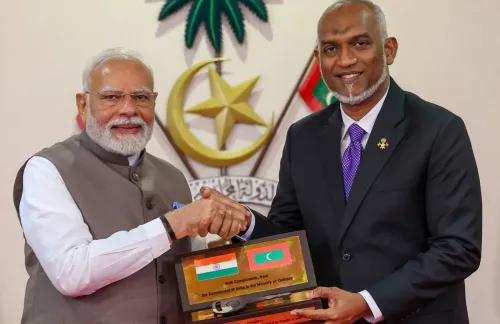
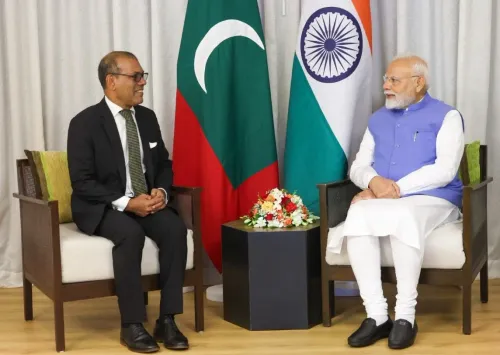
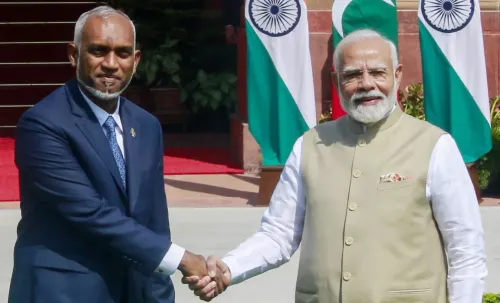
Prime Minister Narendra Modi on Thursday, June 11, 2026, responded to warm wishes from former Maldivian President Mohamed Nasheed, reaffirming India's commitment to advancing bilateral ties with the Maldives under a shared vision of peace, prosperity, and sustainable development in the Indian Ocean region.
Context
Mohamed Nasheed, former President of the Maldives (2008–2012) and a senior figure in the Maldivian Democratic Party, extended wishes to PM Modi, prompting the Prime Minister's public acknowledgement on X. Modi wrote: 'Thank you, Mr. Nasheed, for your warm wishes. India remains committed to advancing India-Maldives ties for our shared vision of peace, prosperity and sustainable development in the Indian Ocean region.'
The exchange underscores New Delhi's consistent practice of maintaining open channels with prominent Maldivian political figures across party lines, even as the elected government's posture toward India has at times shifted.
Policy Backdrop
India's engagement with the Maldives is anchored in two strategic frameworks. The Neighbourhood First policy, articulated in 2014, placed deepened ties with SAARC nations at the centre of New Delhi's foreign-policy priorities. A year later, in 2015, PM Modi unveiled the SAGAR (Security and Growth for All in the Region) vision, positioning cooperative maritime development across the Indian Ocean as a pillar of regional stability.
These doctrines have translated into concrete assistance over the years. During the 2020 COVID-19 crisis, India extended emergency financial support and vaccines to Malé, reinforcing its role as the archipelago's closest development partner.
Stakeholders and Impact
Nasheed, long regarded as one of the more India-friendly voices in Maldivian politics, has historically advocated for strong bilateral ties. His outreach to PM Modi signals that people-to-people and cross-party diplomatic links between the two countries remain active regardless of the current government's orientation in Malé.
For Indian Ocean littoral states watching New Delhi's strategic posture, the exchange reinforces that India views the maritime neighbourhood as a zone of sustained diplomatic investment — a counterweight to growing infrastructure and security footprints by external powers in the region.
What's Next
Analysts will watch for any follow-up high-level engagement at upcoming multilateral forums, including meetings of the Indian Ocean Rim Association, where both countries are members. The tone of PM Modi's response — emphasising 'sustainable development' alongside security — suggests New Delhi continues to frame the relationship in terms of shared economic interest rather than purely strategic competition. How this goodwill translates into formal bilateral dialogue will depend significantly on the political trajectory within the Maldives itself.
Point of View
New Delhi is consciously broadening the appeal of its partnership beyond strategic elites. The exchange also fits a wider pattern: India hedges against political volatility in its neighbourhood by cultivating relationships across the political spectrum rather than betting solely on whoever holds office. In the context of intensifying great-power competition in the Indian Ocean, even a short social-media exchange carries outsized signalling value.
NationPress
26 Oct 2026
Frequently Asked Questions
What did PM Modi say to Mohamed Nasheed on June 11 2026?
PM Modi thanked Nasheed for his warm wishes and reaffirmed that India remains committed to advancing India-Maldives ties for a shared vision of peace, prosperity, and sustainable development in the Indian Ocean region.
Who is Mohamed Nasheed and why does his relationship with India matter?
Mohamed Nasheed served as President of the Maldives from 2008 to 2012 and is a senior leader of the Maldivian Democratic Party. He is widely regarded as one of the most India-friendly figures in Maldivian politics, making his exchanges with Indian leaders diplomatically significant.
What is India's Neighbourhood First policy?
India's Neighbourhood First policy, articulated in 2014 under PM Modi, prioritises deepened engagement with South Asian neighbours including the Maldives, Bangladesh, Sri Lanka, and Nepal, placing them at the centre of India's foreign-policy agenda.
What is the SAGAR vision and how does it relate to the Maldives?
SAGAR — Security and Growth for All in the Region — is a maritime doctrine unveiled by PM Modi in 2015. It aims to foster cooperative development and security across the Indian Ocean, with the Maldives as a key partner given its strategic location in the region.
How has India supported the Maldives in recent years?
India extended emergency financial assistance and COVID-19 vaccines to the Maldives during the 2020 pandemic crisis, and has provided ongoing economic and defence cooperation under successive Maldivian governments.