PM Modi releases Kannada Valmiki Ramayana at Mysuru Viveka Smaraka inauguration
Synopsis
PM Modi's Mysuru visit went beyond a ceremonial inauguration — by releasing Kannada translations of the Valmiki Ramayana and Vedanta Monks stories at the Viveka Smaraka, he linked classical Indian heritage directly to regional youth, framing mother-tongue access to ancient texts as a tool for cultural empowerment.
Key Takeaways
PM Narendra Modi released Kannada translations of the Valmiki Ramayana and Stories of Vedanta Monks on 1 August in Mysuru .
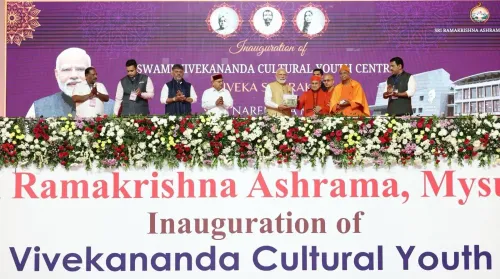
The release was part of the inauguration of the Swami Vivekananda Cultural Youth Centre (Viveka Smaraka) , built by the Ramakrishna Ashrama .
The Viveka Smaraka commemorates Swami Vivekananda's visit to Mysuru in 1892 .
BJP MP Tejasvi Surya called the inauguration a historic moment for Karnataka .
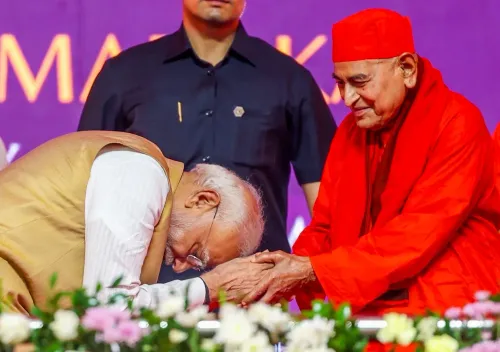
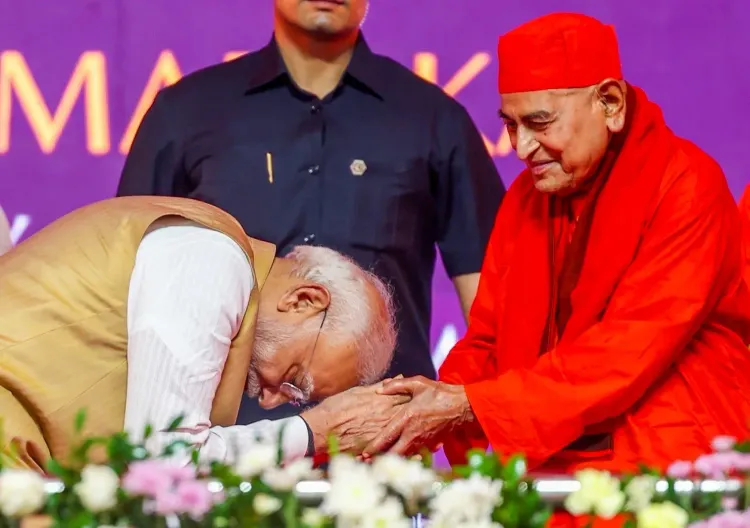
Modi interacted with Ashrama monks and praised their work in youth empowerment and value education.
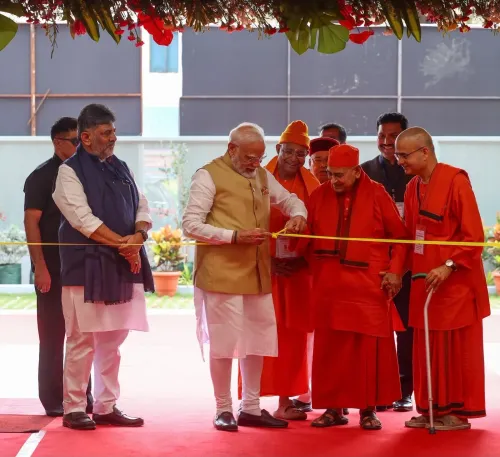
Prime Minister Narendra Modi on 1 August released Kannada translations of the Valmiki Ramayana and Stories of Vedanta Monks during the inauguration of the Swami Vivekananda Cultural Youth Centre (Viveka Smaraka) in Mysuru, built by the Ramakrishna Ashrama. The event marked a significant moment in preserving and disseminating India's spiritual and literary heritage in regional languages.
Significance of the Publications
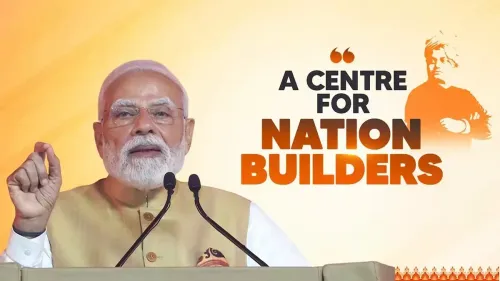
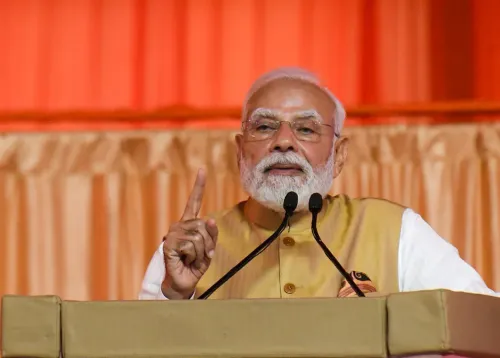
Addressing the gathering, Prime Minister Modi emphasised that the Kannada translations would bring India's timeless spiritual and literary traditions closer to Kannada-speaking readers, with a particular focus on the younger generation. He noted that making such foundational texts available in the mother tongue was a powerful way to connect youth with the country's cultural and philosophical roots.
Modi's Interaction with Ramakrishna Ashrama Monks
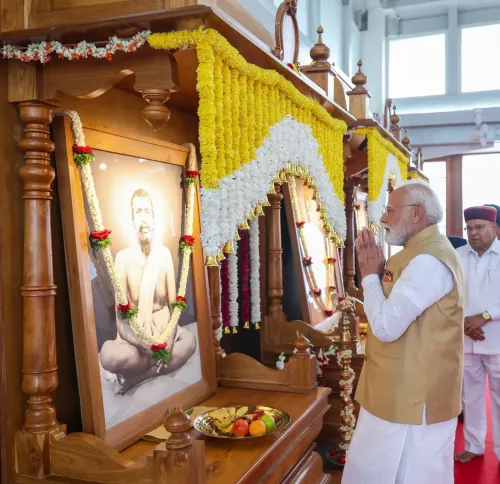
During his visit, PM Modi interacted with monks of the Ramakrishna Ashrama and commended the institution's sustained service to society. He specifically appreciated its role in nurturing values, education, and youth empowerment through the teachings of Swami Vivekananda and Sri Ramakrishna. Following the event, Modi shared photographs of the visit on X, writing: 'Visited the Sri Ramakrishna Ashrama in Mysuru. Its efforts to serve society and contribution towards empowering our Yuva Shakti are commendable.'
What the Viveka Smaraka Represents
Bharatiya Janata Party (BJP) Yuva Morcha National President and Bengaluru South Member of Parliament Tejasvi Surya described the inauguration as a historic moment for Karnataka and a lasting tribute to Swami Vivekananda's legacy. Surya noted that the Viveka Smaraka commemorates Swami Vivekananda's visit to Mysuru in 1892, making the cultural city witness yet another landmark occasion.
The event was held in the presence of Param Pujya Sri Gautamanandaji Maharaj. Invoking Vivekananda's celebrated call — 'Arise, awake, and stop not till the goal is reached' — Surya expressed hope that the memorial would inspire millions of young minds across India.
Broader Impact on Youth and Culture
The Viveka Smaraka is envisioned not merely as a memorial but as a living centre of inspiration for the nation's youth, encouraging them to carry forward the ideals of Swami Vivekananda and contribute to building a future India. The release of vernacular translations of classical texts aligns with a broader national push to make India's ancient knowledge systems accessible in regional languages. Notably, this is part of a continuing effort by institutions like the Ramakrishna Ashrama to bridge classical heritage with contemporary youth engagement.
Point of View
Vernacular-first audiences. What deserves scrutiny is whether such inaugurations translate into sustained readership and curriculum integration, or remain symbolic gestures. The Ramakrishna Ashrama's track record in youth programming lends credibility to the initiative, but the long-term cultural impact will depend on distribution, institutional adoption, and whether the translations reach schools and colleges beyond the event's immediate audience.
NationPress
2 Aug 2026
Frequently Asked Questions
What did PM Modi release at the Mysuru Viveka Smaraka inauguration?
PM Modi released Kannada translations of the Valmiki Ramayana and Stories of Vedanta Monks on 1 August at the inauguration of the Swami Vivekananda Cultural Youth Centre (Viveka Smaraka) in Mysuru, built by the Ramakrishna Ashrama. He emphasised the role of mother-tongue translations in connecting youth with India's cultural heritage.
What is the Viveka Smaraka in Mysuru?
The Viveka Smaraka, or Swami Vivekananda Cultural Youth Centre, is a memorial and cultural institution built by the Ramakrishna Ashrama in Mysuru. It commemorates Swami Vivekananda's visit to the city in 1892 and is envisioned as a centre of inspiration for India's youth.
Why did PM Modi visit the Ramakrishna Ashrama in Mysuru?
PM Modi visited the Ramakrishna Ashrama to inaugurate the Viveka Smaraka and release Kannada translations of classical spiritual texts. He also interacted with the Ashrama's monks and commended their work in education, value formation, and youth empowerment.
What did Tejasvi Surya say about the Viveka Smaraka inauguration?
BJP Yuva Morcha National President and Bengaluru South MP Tejasvi Surya called the inauguration a historic moment for Karnataka and a lasting tribute to Swami Vivekananda's legacy. He expressed hope that the memorial would inspire millions of young Indians to carry forward Vivekananda's ideals.
What is the significance of Swami Vivekananda's 1892 visit to Mysuru?
Swami Vivekananda's 1892 visit to Mysuru is regarded as a pivotal moment in his journey, and the Viveka Smaraka has been built to commemorate that historic connection between the spiritual leader and the city. The memorial aims to keep his teachings alive for future generations.