PM Modi backs Viveka Smaraka in Mysore as youth inspiration hub
Synopsis
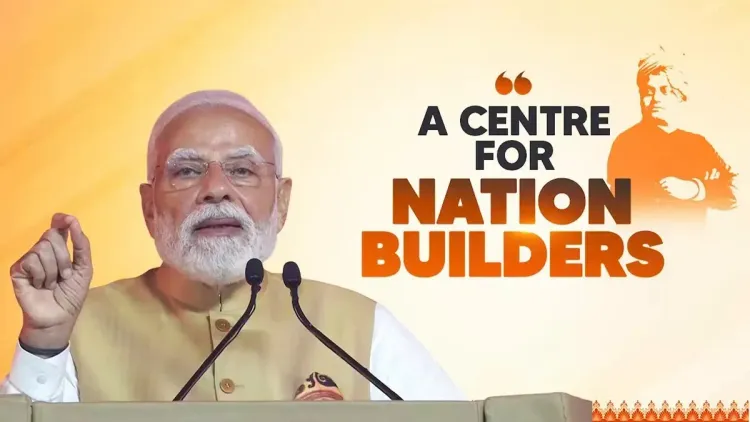
Prime Minister Narendra Modi voiced confidence that the Viveka Smaraka in Mysore will inspire Indian youth toward social contribution, invoking Swami Vivekananda's documented 1892 ties to the city in a Kannada-language post on August 1, 2026.
Key Takeaways
PM Modi posted in Kannada on August 1, 2026 , backing the proposed Viveka Smaraka in Mysore .
He described Mysore as holding a 'significant place' in Swami Vivekananda's life — rooted in Vivekananda's documented 1892 visit to the princely state.
Modi framed the Smaraka as a space to energise youth to contribute to a better society, not merely a historical monument.
The post continues Modi's long-standing pattern of invoking Vivekananda in public messaging, dating to nationwide programmes around the monk's 150th birth anniversary in 2013-14 .
Specific project timelines, design details, and inauguration dates for the Viveka Smaraka have not yet been announced.
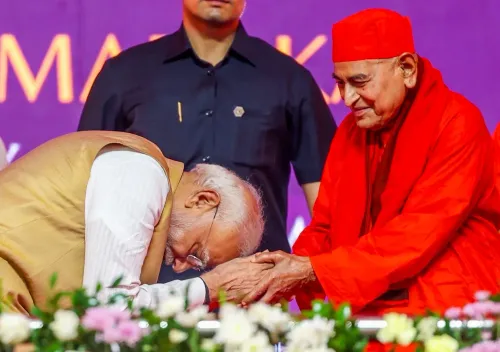
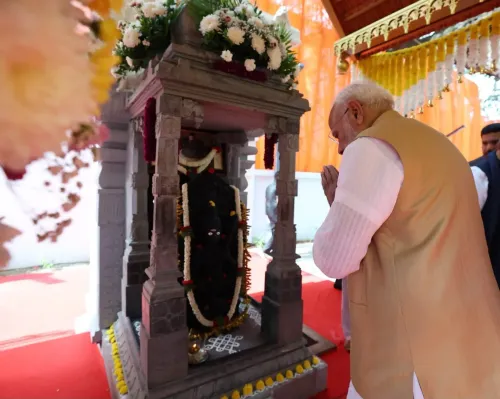
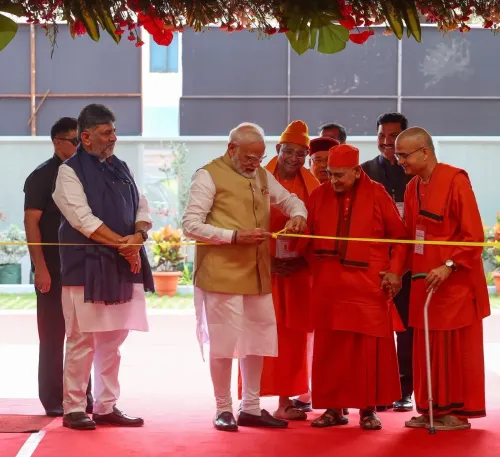
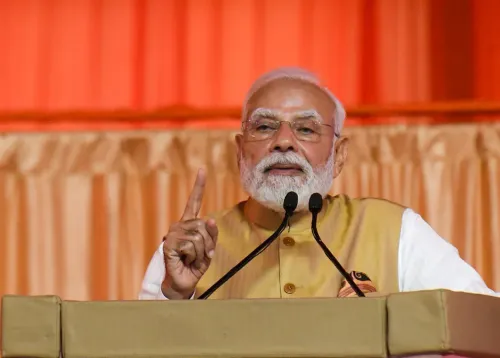
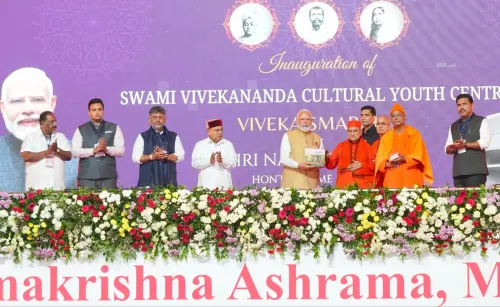
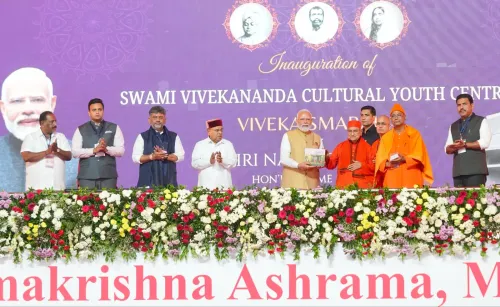
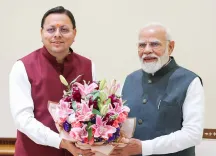
Mysore — a city that once shaped the spiritual journey of Swami Vivekananda — is set to gain a new landmark dedicated to his legacy. Prime Minister Narendra Modi on Saturday, August 1, 2026, expressed confidence that the proposed Viveka Smaraka in Mysore will emerge as an energising space that motivates young Indians to contribute to a better society.
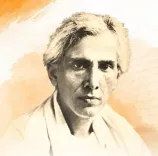
Writing in Kannada, the Prime Minister noted that Mysore held a significant place in Vivekananda's life — a historically grounded observation. Vivekananda's 1892 visit to Mysore brought him into close dialogue with the Maharaja of the princely state, conversations that sharpened his thinking on social reform and the untapped potential of Indian youth. That connection is now the foundation on which the Viveka Smaraka concept rests.
Vivekananda's Mysore chapter and why it still resonates
Vivekananda's time in Mysore was not incidental — it was formative. His exchanges with the Maharaja and local scholars reinforced his conviction that India's regeneration would flow from its youth, guided by a synthesis of spiritual depth and practical service. Choosing Mysore as the site for a commemorative space draws directly on that historical thread, giving the memorial a specific, earned geography rather than a symbolic one.
Modi's post, addressed in Kannada to a regional audience, frames the Smaraka not as a monument to the past but as a living catalyst — a place where young people are 'inspired to contribute to a better society,' in his words. That framing is deliberate: Vivekananda's teachings have long been invoked in Indian public life as a bridge between heritage and national purpose.
Modi's recurring Vivekananda thread
This is not an isolated reference. Prime Minister Modi has consistently woven Vivekananda into public messaging — from the nationwide youth programmes launched around the monk's 150th birth anniversary in 2013-14 to repeated invocations of his philosophy in addresses on education, service, and national character. The Kannada-language post fits a pattern of culturally targeted outreach to Karnataka while sustaining a wider national narrative around India's philosophical inheritance.
The Viveka Smaraka, if realised, would join a broader ecosystem of Vivekananda-linked institutions and commemorations that successive governments have supported — but the specific project timeline, design, and inauguration details remain to be announced by state authorities.
For Karnataka's youth and for those who see Vivekananda's Mysore connection as an underappreciated chapter of Indian history, the Prime Minister's endorsement signals that the project carries political weight at the highest level. Whether that translates into a ground-breaking soon is the question Karnataka will be watching.
Point of View
Making him a low-risk, high-resonance vehicle for messaging on youth, service, and national purpose. By anchoring the memorial in Mysore's specific historical connection to Vivekananda rather than invoking him generically, Modi lends the project intellectual legitimacy beyond political symbolism. The absence of a confirmed project timeline, however, means this remains an expression of intent — the real test will be whether state-level execution follows.
NationPress
16 Sept 2026
Frequently Asked Questions
What is the Viveka Smaraka in Mysore?
The Viveka Smaraka is a proposed memorial in Mysore dedicated to Swami Vivekananda, envisioned as a space that inspires young people to contribute to society. Specific construction timelines and details have not yet been officially announced.
What was Swami Vivekananda's connection to Mysore?
Swami Vivekananda visited Mysore in 1892 and held discussions with the Maharaja of the princely state on social reform and youth potential. The city is considered a significant stop in his pre-Chicago Parliament spiritual journey across India.
Why did PM Modi post in Kannada about the Viveka Smaraka?
PM Modi posted in Kannada to directly address Karnataka's regional audience, a pattern consistent with his broader cultural outreach to individual states while maintaining a national narrative around India's spiritual and philosophical heritage.
Has PM Modi spoken about Swami Vivekananda before?
Yes. PM Modi has consistently referenced Vivekananda across public statements for over a decade, including supporting nationwide youth programmes launched around Vivekananda's 150th birth anniversary in 2013-14 .
When did PM Modi post about the Viveka Smaraka?
PM Modi posted about the Viveka Smaraka on Saturday, August 1, 2026 , via his official account on X.