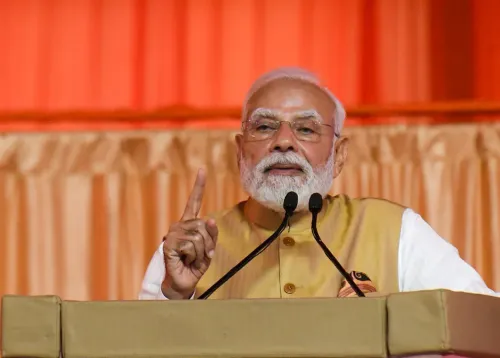
PM Modi Releases Kannada Translations of Valmiki Ramayana in Mysuru
Synopsis
Prime Minister Narendra Modi released Kannada translations of the Valmiki Ramayana and Stories of Vedanta Monks at a programme in Mysuru on August 1, 2026, extending a decade-long government push to make classical Sanskrit works accessible to regional-language readers, with a stated focus on younger audiences.
Key Takeaways
PM Narendra Modi released Kannada translations of the Valmiki Ramayana and Stories of Vedanta Monks in Mysuru on August 1, 2026 .
The releases are aimed specifically at Kannada readers , with an emphasis on making heritage texts accessible to the younger generation .
The event is part of a broader Ministry of Culture initiative, active since 2014 , to translate classical Sanskrit works into India's scheduled languages.
Mysuru — Karnataka's historic cultural hub — hosted the programme, reflecting the city's long association with Sanskrit scholarship and literary tradition.
Similar translation drives are under way across other Indian languages, with further classical titles expected to follow.
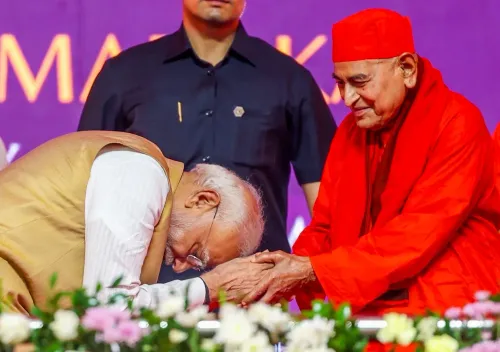
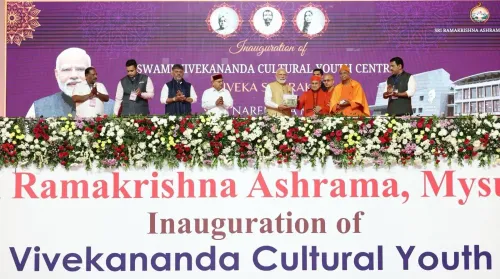
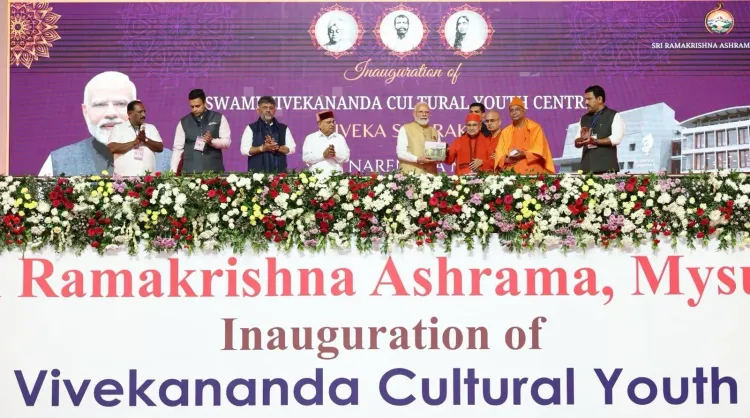
Ancient epics found a new home in the Kannada language on Saturday, August 1, 2026, as Prime Minister Narendra Modi released Kannada translations of the Valmiki Ramayana and Stories of Vedanta Monks at a cultural programme in Mysuru, Karnataka's storied heritage city.
Two texts, one bridge to a younger Karnataka
The Prime Minister described the releases as an effort to bring India's 'timeless spiritual and literary heritage closer to Kannada readers, especially the younger generation.' The Valmiki Ramayana — one of the two foundational Sanskrit epics of Indian civilisation — and the Stories of Vedanta Monks, a collection rooted in the Advaita philosophical tradition, now join a growing shelf of classical works made accessible in a scheduled Indian language.
Mysuru, long regarded as a cultural capital of Karnataka and a city with deep ties to Sanskrit scholarship, provided a fitting setting. The city has historically hosted literary and philosophical gatherings that draw scholars and lay audiences alike.
A decade-long push to translate classical India into its own languages
The releases sit within a broader pattern that has gathered pace since 2014, when the Ministry of Culture began actively supporting translation and publication projects for classical Sanskrit works into India's scheduled languages. The logic is straightforward: the majority of Indians do not read Sanskrit, yet the epics and philosophical texts that shaped the subcontinent's worldview remain locked inside it. Regional-language editions are the unlock.
Such releases frequently coincide with state-level cultural events, amplifying their reach and signalling central-government investment in intangible heritage — a theme that has been a consistent strand of cultural policy across the past decade.
What Kannada readers gain
Kannada, one of India's oldest literary languages with a tradition stretching back over fifteen centuries, already possesses a rich corpus of original poetry and philosophy. Adding authoritative translations of the Valmiki Ramayana and Vedanta texts extends that corpus and gives students, teachers, and curious young readers a direct route into the Sanskrit source tradition — without the barrier of learning the language itself. The explicit mention of the 'younger generation' in the Prime Minister's remarks underscores that the intended audience is not just scholars but school and college students encountering these texts for the first time.
With similar translation drives already under way in other Indian languages, the Mysuru releases may well be followed by parallel editions in additional regional languages — and by further classical titles entering the same pipeline.
Point of View
Thereby widening both access and political resonance with vernacular audiences. By foregrounding the 'younger generation,' the Prime Minister frames a heritage project as a forward-looking investment rather than a nostalgic exercise. The consistent pairing of such releases with high-profile state events suggests a deliberate strategy: cultural policy as a visible, shareable moment rather than a bureaucratic output. As more scheduled languages receive similar editions, the cumulative effect on how Indians encounter their classical tradition could be substantial.
NationPress
2 Aug 2026
Frequently Asked Questions
Which books did PM Modi release in Mysuru on August 1 2026?
PM Modi released Kannada translations of the Valmiki Ramayana and 'Stories of Vedanta Monks' at a cultural programme in Mysuru on August 1, 2026.
Why is the Kannada translation of the Valmiki Ramayana significant?
The translation makes one of Sanskrit literature's foundational epics directly accessible to Kannada readers — particularly younger audiences — who may not have prior knowledge of Sanskrit.
What is the government's policy on translating classical Sanskrit texts?
Since 2014, the Ministry of Culture has actively supported projects to translate classical Sanskrit works into India's scheduled languages, aiming to widen access to the country's intangible heritage.
Why was Mysuru chosen for this cultural programme?
Mysuru is Karnataka's historic cultural capital with deep ties to Sanskrit scholarship and literary tradition, making it a natural venue for events celebrating classical heritage.
Will similar translations be released in other Indian languages?
Based on the broader government pattern, similar regional-language editions of classical texts are likely to follow in additional Indian languages, though no specific announcements have been confirmed.