PM Modi salutes Indian doctors serving in Venezuela on Doctors' Day

Synopsis
On National Doctors' Day, 1 July 2026, Prime Minister Narendra Modi praised Indian medical professionals serving in Venezuela under Operation Amistad, framing their work as a humanitarian and diplomatic expression of India's 'Vasudhaiva Kutumbakam' ethos.
Key Takeaways
Prime Minister Narendra Modi marked National Doctors' Day (1 July 2026) by honouring Indian doctors deployed in Venezuela .
The deployment is part of Operation Amistad , a mission whose name means 'friendship' in Spanish, signalling the diplomatic intent behind the humanitarian effort.
India has a decades-long history of health diplomacy through programmes such as the ITEC scheme launched in 1964 .
Venezuela is a South American nation with which India maintains diplomatic and oil-trade ties, currently facing significant economic and humanitarian pressures.
Modi framed the doctors' service as consistent with the Indian principle of Vasudhaiva Kutumbakam — the world is one family.
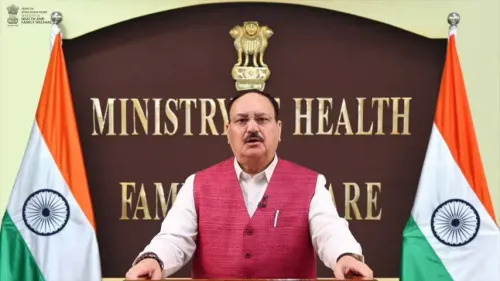
The Ministry of External Affairs and Ministry of Health are expected to provide further details on the mission's scope and duration.
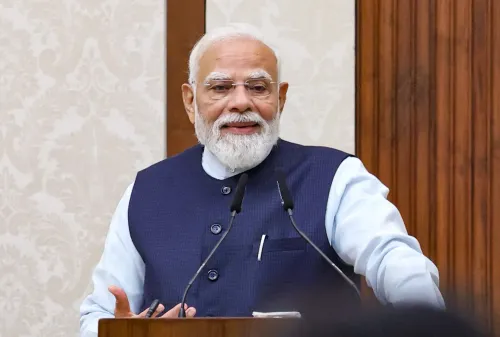
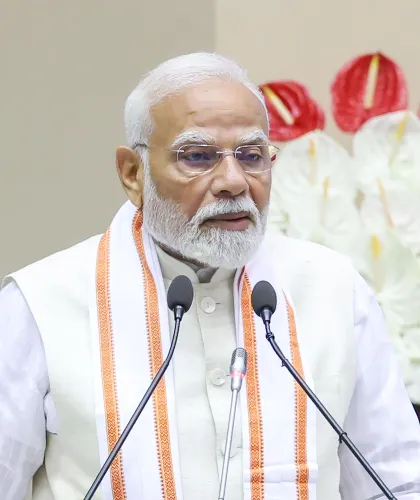
Prime Minister Narendra Modi on Wednesday, 1 July 2026 — National Doctors' Day — paid tribute to Indian medical professionals deployed in Venezuela under Operation Amistad, describing their work in a challenging environment as a shining example of humanitarian service.
Context
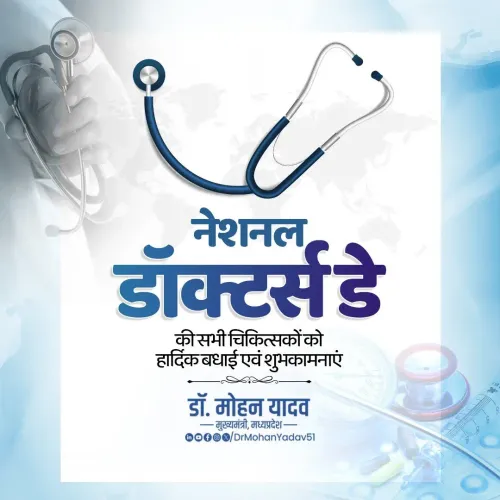
National Doctors' Day is observed every year on 1 July in India to mark the birth anniversary of eminent physician and former West Bengal Chief Minister Dr Bidhan Chandra Roy. The day is used nationally to recognise the contributions of doctors and healthcare workers. Prime Minister Modi used the occasion this year to specifically spotlight Indian medical professionals working abroad, underscoring the global reach of India's medical workforce.
In his post, Modi wrote: 'Today, as we mark Doctors' Day, I would like to appreciate all the doctors and medical professionals from India who are tirelessly working in Venezuela, as a part of #OperationAmistad. In such a challenging time, their efforts to serve those in need are shining examples of how' — the post highlights the deployment even as it gestures toward a broader sentiment about Indian humanitarianism.
Policy Backdrop
The deployment falls within India's long-standing tradition of health diplomacy as a pillar of its foreign policy. India's Indian Technical and Economic Cooperation (ITEC) programme, established in 1964, has for decades facilitated capacity-building and medical exchanges with developing nations. During 2020–2021, India dispatched medical teams, medicines, and vaccines to multiple countries as part of its COVID-19 relief diplomacy, earning goodwill across the Global South.
Venezuela, a South American nation with which India maintains diplomatic and oil-trade ties, has faced prolonged economic and humanitarian difficulties. The deployment of Indian doctors under Operation Amistad — amistad meaning 'friendship' in Spanish — signals New Delhi's intent to deepen people-to-people and humanitarian ties with Caracas. Such missions are consistently framed by Indian officialdom through the principle of Vasudhaiva Kutumbakam ('the world is one family').
Stakeholders and Impact
The most immediate beneficiaries are Venezuelan patients receiving care from the Indian medical team during what Modi described as 'a challenging time.' For the Indian doctors themselves, the deployment represents a form of professional service that carries diplomatic weight alongside its humanitarian purpose. The mission also reinforces India's image as a responsible, capable partner for nations in the developing world.
More broadly, Indian medical professionals have emerged as a significant element of the country's soft power, with large diaspora communities of doctors active across North America, Africa, and now Latin America. Publicly honouring them on a symbolic day like Doctors' Day amplifies both their individual recognition and the diplomatic signal embedded in the deployment.
What's Next
Attention will now turn to official statements from India's Ministry of External Affairs and Ministry of Health on the scope, duration, and potential expansion of the medical mission in Venezuela. Any upcoming bilateral meetings between Indian and Venezuelan officials could shed further light on whether Operation Amistad will be institutionalised as a longer-term health cooperation framework. The mission may also be referenced in future South-South cooperation summits as a model for India's humanitarian engagement in Latin America.
Point of View
It deliberately ties a domestic commemorative moment to an active foreign-policy instrument. The choice of Venezuela is notable: it is a nation where India is quietly expanding its diplomatic footprint even as Western powers maintain pressure on Caracas, suggesting New Delhi is using health diplomacy to signal strategic autonomy. This fits a well-established pattern in which the Modi government uses social media tributes to overseas Indian professionals as a dual-purpose tool — domestic pride-building and international soft-power projection. The open-ended phrasing of the post, which appears truncated, may also be a deliberate device to generate curiosity and engagement around the mission.
NationPress
1 Jul 2026
Frequently Asked Questions
What is Operation Amistad India Venezuela?
Operation Amistad is an Indian government mission that has deployed Indian doctors and medical professionals to Venezuela to provide healthcare services. The name means 'friendship' in Spanish, reflecting the diplomatic and humanitarian intent of the deployment.
Why is Doctors' Day celebrated on 1 July in India?
National Doctors' Day is observed on 1 July every year in India to commemorate the birth anniversary of renowned physician and former West Bengal Chief Minister Dr Bidhan Chandra Roy , and to recognise the contributions of medical professionals across the country.
What did PM Modi say about Indian doctors on Doctors' Day 2026?
Prime Minister Modi praised Indian doctors and medical professionals working in Venezuela under Operation Amistad, calling their efforts in a challenging situation 'shining examples' of humanitarian service.
Does India send medical teams to other countries?
Yes. India has a long tradition of health diplomacy, deploying medical teams and medicines to countries in need. The ITEC programme since 1964 and India's COVID-19 relief diplomacy during 2020–2021 are prominent examples of this approach.
What are India's ties with Venezuela?
India and Venezuela maintain diplomatic relations and have historically engaged in oil trade. New Delhi has pursued people-to-people and humanitarian ties with Caracas as part of its broader South-South cooperation strategy.