PM Modi at UPSC Centenary: Commemorative coin, stamp released at Bharat Mandapam
Synopsis
India's premier civil services recruiter, the UPSC, turns 100 — and PM Modi marked the milestone at Bharat Mandapam with a commemorative coin, stamp, and a book of landmark judgements. The centenary arrives as debates over bureaucratic reform and lateral entry are louder than ever, making this more than a ceremonial occasion.
Key Takeaways
PM Narendra Modi attended the UPSC Centenary Celebrations at Bharat Mandapam, New Delhi on 1 October 2026 .
Modi released a Centenary Commemorative Coin , a Commemorative Postage Stamp , and the book '100 Landmark Judgements — Shaping the Policies of UPSC and Public Service Commissions in India' .
The first Public Service Commission was established on 1 October 1926 with Sir Ross Barker as inaugural chairman; the UPSC attained constitutional status on 26 January 1950 under Article 315 .
The centenary event was part of a two-day programme held on 30 September and 1 October , concluding a year-long commemoration that began on 1 October 2025 .
The UPSC currently comprises a chairman and 10 members and is responsible for recruitment to the All India Services and Central Group A and Group B services .
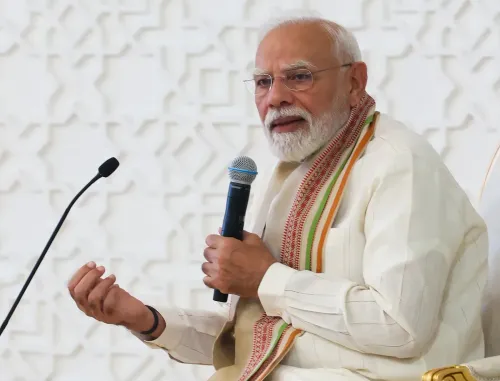
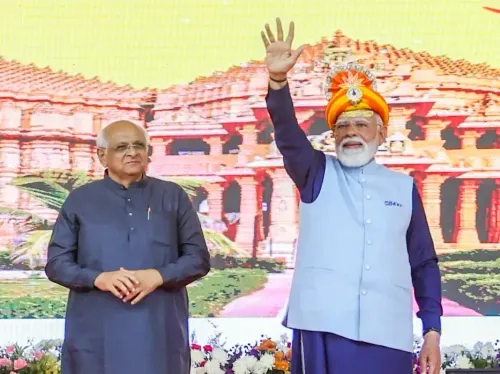
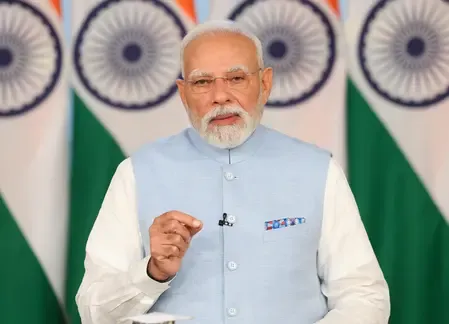
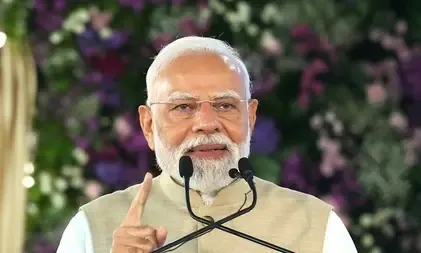
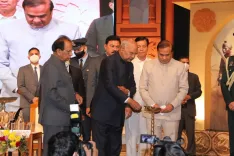
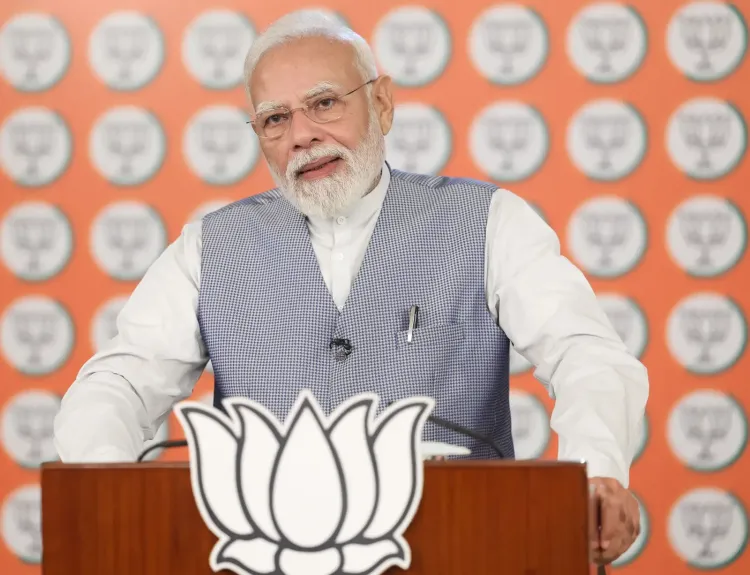
Prime Minister Narendra Modi on 1 October 2026 attended the Centenary Celebrations of the Union Public Service Commission (UPSC) at Bharat Mandapam, New Delhi, marking a century since the recruitment body was first established in 1926. The event, which began at 11 am IST, served as the culminating ceremony of a year-long commemoration that kicked off on 1 October 2025.
What Modi Unveiled at the Centenary Event
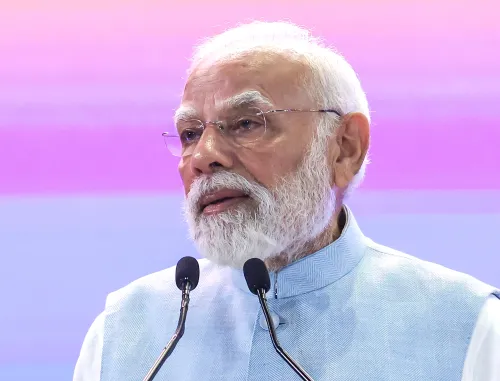
At the function, the Prime Minister released a UPSC Centenary Commemorative Coin, a Commemorative Postage Stamp, and a book titled '100 Landmark Judgements — Shaping the Policies of UPSC and Public Service Commissions in India'. Modi also addressed a gathering that, according to officials, included Chairmen and Members of State Public Service Commissions, senior officers of the Government of India, academicians, and UPSC officials drawn from across the country.
Two-Day Programme and Day One Highlights
The centenary event was structured as a two-day programme on 30 September and 1 October. The first day featured 'Shatabdi Samaroh — Manthan', also held at Bharat Mandapam, where eminent speakers delivered addresses followed by panel discussions on a range of themes related to civil services and public administration.
A Century of Civil Services Recruitment: The UPSC Story
The UPSC traces its institutional origins to the First Dispatch on Indian Constitutional Reforms issued on 5 March 1919, which underlined the need for a permanent body to oversee civil services matters. The push gained momentum after the Royal Commission on the Superior Civil Services in India, chaired by Lord Lee, recommended the creation of a Public Service Commission in its 1924 report.
Acting on that recommendation, the first Public Service Commission was formally established on 1 October 1926, with Sir Ross Barker as its inaugural chairman. The institution evolved through the Government of India Act, 1935, which provided for a Federal Public Service Commission, before attaining full constitutional status under Article 315 of the Constitution on 26 January 1950.
UPSC's Role and Current Structure
Today, the UPSC comprises a chairman and 10 members. The commission is constitutionally mandated to conduct examinations for recruitment to Union services, including the prestigious All India Services as well as Central Group A and Group B services — making it the backbone of India's permanent bureaucracy. Notably, the UPSC examination process remains one of the most competitive selection systems globally, attracting lakhs of aspirants every year.
The centenary milestone arrives at a moment when discussions around civil services reform and lateral entry into the bureaucracy have intensified, lending the occasion added significance beyond ceremonial commemoration.
Point of View
But as a prompt to interrogate whether the body has kept pace with the complexity of modern governance. The commission has remained structurally unchanged for decades even as the demands on the civil services have multiplied. The PM's presence lends political weight, but the more substantive question — whether the UPSC's examination and selection framework needs redesign for a 21st-century state — is unlikely to be answered by commemorative coins and stamps. With lateral-entry debates still unresolved and aspirant numbers swelling every year, the centenary is as much a stress test of legitimacy as it is a celebration.
NationPress
1 Oct 2026
Frequently Asked Questions
What is the UPSC Centenary Celebration and why is it significant?
The UPSC Centenary Celebration marks 100 years since the Union Public Service Commission was first established on 1 October 1926. It is significant because the UPSC is India's constitutional body responsible for recruiting officers to the All India Services and central government services, making it the cornerstone of the country's permanent bureaucracy.
What did PM Modi release at the UPSC centenary event?
PM Modi released three items at the event: a UPSC Centenary Commemorative Coin, a Commemorative Postage Stamp, and a book titled '100 Landmark Judgements — Shaping the Policies of UPSC and Public Service Commissions in India'. He also addressed a gathering of stakeholders from across the country.
Where and when was the UPSC centenary event held?
The culminating ceremony was held at Bharat Mandapam in New Delhi on 1 October 2026, beginning at 11 am IST. It was the second day of a two-day programme, with the first day — 'Shatabdi Samaroh — Manthan' — held on 30 September 2026.
What is the history of the UPSC?
The UPSC traces its origins to the First Dispatch on Indian Constitutional Reforms of 5 March 1919. The first Public Service Commission was established on 1 October 1926, with Sir Ross Barker as its inaugural chairman, following a recommendation by the Lord Lee Commission in 1924. It attained constitutional status under Article 315 on 26 January 1950.
Who attended the UPSC centenary celebrations?
The event saw participation from Chairmen and Members of State Public Service Commissions, senior Government of India officers, academicians, and UPSC officials from across the country, in addition to Prime Minister Narendra Modi, who addressed the gathering.