PM Modi to disburse PM-KISAN 23rd instalment from Tarakeshwar
Synopsis
Prime Minister Narendra Modi announced the disbursement of the 23rd PM-KISAN instalment from Tarakeshwar, West Bengal, along with the launch of Pradhan Mantri Fasal Bima Yojana and the Digital Agriculture Mission, in a combined push for farmer income support and agricultural modernisation.
Key Takeaways
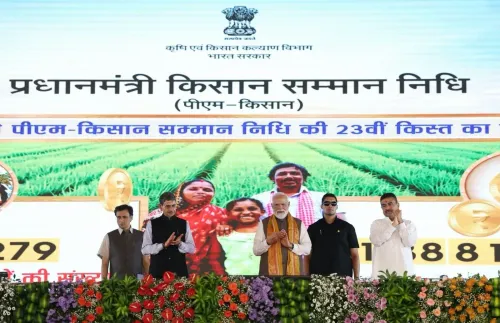
Prime Minister Narendra Modi announced the disbursement of the 23rd PM-KISAN instalment from Tarakeshwar, West Bengal on 20 June 2026 .
PM-KISAN provides ₹6,000 per year in three instalments of ₹2,000 each to eligible farmer families via Direct Benefit Transfer.
The Pradhan Mantri Fasal Bima Yojana and the Digital Agriculture Mission are also set to be launched at the same event.
PM-KISAN was first launched in February 2019 as India's first nationwide direct income support scheme for farmers.
The event in Hooghly district represents a significant central government outreach to West Bengal's farming community.
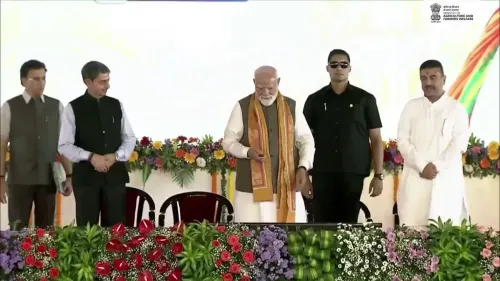
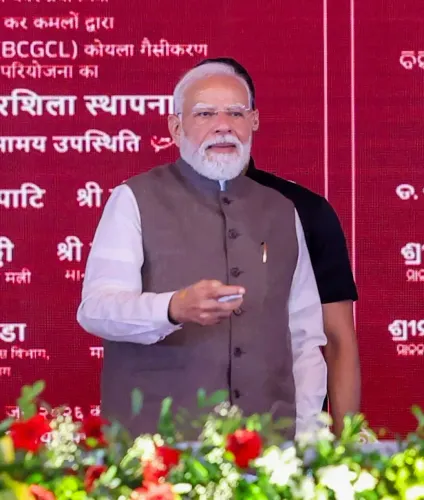
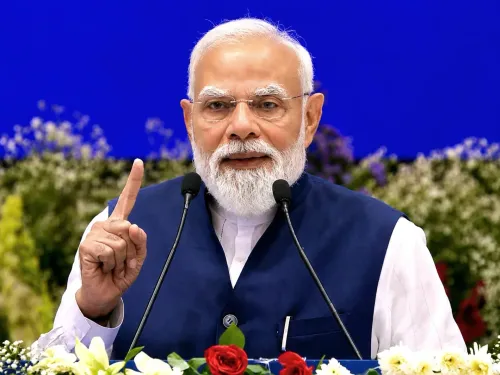
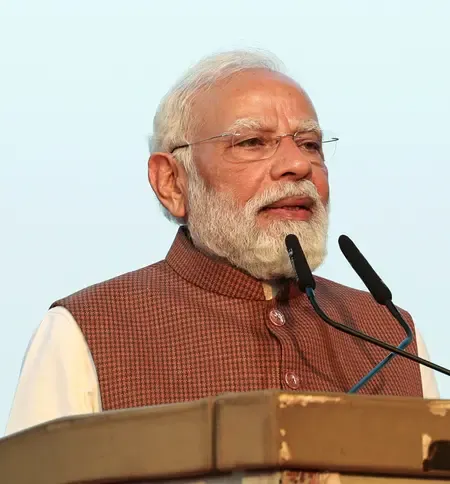
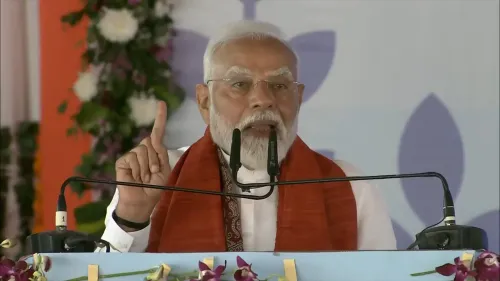
Prime Minister Narendra Modi announced on Friday, 20 June 2026, that the 23rd instalment of the Pradhan Mantri Kisan Samman Nidhi (PM-KISAN) scheme will be disbursed from Tarakeshwar in West Bengal's Hooghly district, benefiting crores of farmers across the country. The announcement, made via a post on X in Bengali, also flagged the simultaneous launch of key central agriculture schemes the following day.
In his post, the Prime Minister wrote that from Tarakeshwar, the 23tamo kisti (23rd instalment) of PM-KISAN would be released, bringing benefits to aganita parishramI krishakra — 'countless hardworking farmers' — across all of India. He also expressed that it was a matter of great joy that major central government schemes related to agriculture would be launched the next day, specifically naming the Pradhan Mantri Fasal Bima Yojana and the Digital Agriculture Mission.
Context
Tarakeshwar, a town in Hooghly district, West Bengal, is home to a historically significant Shiva temple and has been selected as the venue for this high-profile disbursement event. The choice of a West Bengal location for a national scheme rollout carries political and administrative significance, as the state has historically seen complex Centre-state dynamics over the implementation of centrally sponsored welfare programmes.
The PM-KISAN scheme was launched in February 2019 as India's first nationwide direct income support programme for farmers, providing ₹6,000 per year in three equal instalments of ₹2,000 each, transferred directly to eligible landholding farmer families via the Direct Benefit Transfer (DBT) mechanism.
Policy Backdrop
The Pradhan Mantri Fasal Bima Yojana (PMFBY), launched in 2016 ahead of the kharif season, replaced earlier crop insurance schemes and provides premium subsidies and claims settlement to farmers affected by natural calamities, pests, or diseases. It remains one of the largest crop insurance programmes in the world by coverage.
The Digital Agriculture Mission is a more recent initiative aimed at integrating artificial intelligence, remote sensing, drone technology, and data platforms into Indian farming to improve credit access, planning, and market linkages. It builds on earlier digital infrastructure efforts such as e-NAM (electronic National Agriculture Market) and the Soil Health Card programme. The simultaneous launch of these schemes alongside a PM-KISAN disbursement underscores the government's strategy of combining direct cash support with technology-driven productivity interventions.
Stakeholders and Impact
The primary beneficiaries are India's agricultural households, who depend on timely income transfers to manage input costs between crop cycles. Each instalment of ₹2,000 is designed to arrive at critical periods in the farming calendar. Disbursement events of this scale typically involve funds reaching tens of millions of farmer accounts simultaneously through the DBT pipeline.
For West Bengal farmers specifically, the Tarakeshwar event signals renewed central government outreach in a state where enrolment in centrally sponsored schemes has at times lagged due to administrative friction. The launch of PMFBY and the Digital Agriculture Mission at the same venue broadens the policy message beyond cash transfers to risk coverage and long-term productivity.
What's Next
The disbursement event at Tarakeshwar is scheduled for 20 June 2026, with the agriculture scheme launches to follow. Observers will watch whether the Digital Agriculture Mission rollout includes specific state-level implementation timelines and budget allocations. Progress on farmer enrolment in PMFBY and the pace of DBT credit for the 23rd PM-KISAN instalment will be key metrics in the weeks ahead. Any supplementary budget provisions for these schemes in the current fiscal year will also be closely tracked by farm-sector analysts and state governments.
Point of View
These moves fit a consistent pattern of using high-visibility disbursement events to consolidate rural support while advancing the formalisation of the agricultural economy.
NationPress
18 Sept 2026
Frequently Asked Questions
What is the PM-KISAN 23rd instalment and when will it be released?
The 23rd instalment of the Pradhan Mantri Kisan Samman Nidhi (PM-KISAN) scheme is a direct cash transfer of ₹2,000 to eligible farmer families, announced to be disbursed on 20 June 2026 from Tarakeshwar in West Bengal.
How much money do farmers get under PM-KISAN?
Under PM-KISAN, eligible landholding farmer families receive ₹6,000 per year, paid in three equal instalments of ₹2,000 each, directly into their bank accounts via Direct Benefit Transfer.
What is the Digital Agriculture Mission India?
The Digital Agriculture Mission is a central government initiative to integrate AI, drones, remote sensing, and data platforms into Indian farming to improve credit access, market linkages, and agricultural planning.
What is Pradhan Mantri Fasal Bima Yojana?
Pradhan Mantri Fasal Bima Yojana (PMFBY) is a crop insurance scheme launched in 2016 that provides premium subsidies and claims to farmers whose crops are damaged by natural calamities, pests, or disease.
Why was Tarakeshwar in West Bengal chosen for the PM-KISAN event?
Tarakeshwar, a town in Hooghly district, West Bengal, was selected as the venue for the 23rd PM-KISAN instalment disbursement, reflecting the central government's outreach to farmers in the state alongside the launch of key agriculture schemes.