PM Modi Extends Eid ul-Adha Greetings, Invokes Brotherhood
Synopsis
Prime Minister Narendra Modi extended Eid ul-Adha greetings on 29 May 2026, invoking brotherhood and happiness for all of society. The message continues his government's consistent pattern of multi-faith festival outreach aligned with the Sabka Saath, Sabka Vikas framework.
Key Takeaways
Prime Minister Narendra Modi posted Eid ul-Adha greetings on 29 May 2026 via his official X account.
The message called for deepening 'the spirit of brotherhood and happiness' in Indian society.
Modi has issued similar Eid greetings consistently since 2014 , including in 2023 and 2024 .
The greetings align with the government's stated Sabka Saath, Sabka Vikas framework of inclusive outreach.
Indian heads of government have a long-standing tradition of issuing multi-faith festival greetings as an expression of constitutional secularism.
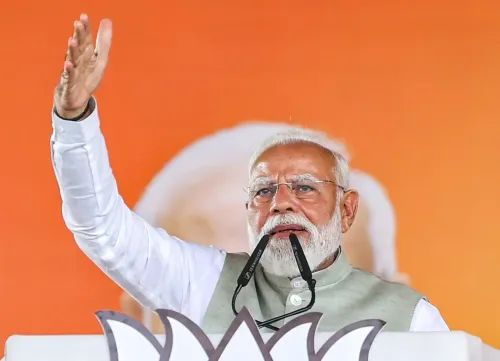
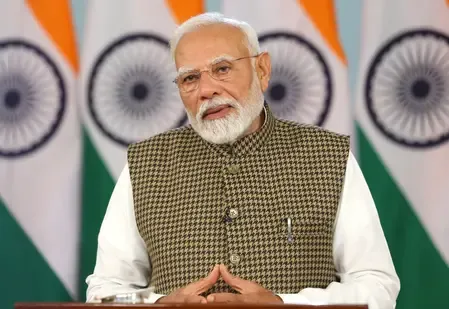
Prime Minister Narendra Modi on Thursday, 29 May 2026 extended greetings on the occasion of Eid ul-Adha, calling for a deepening of brotherhood and happiness in Indian society and offering prayers for the success and good health of all.
Context
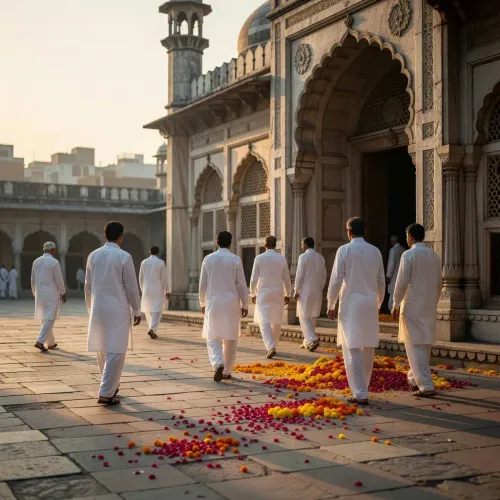
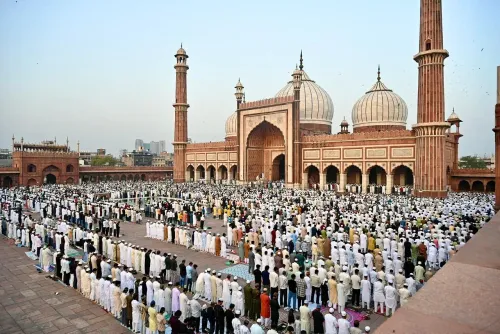
Eid ul-Adha is one of the two principal festivals in Islam, observed by Muslims across the world through congregational prayers, the ritual of animal sacrifice, and the distribution of meat among family, neighbours, and those in need. The festival underscores values of charity, devotion, and communal solidarity. In India, home to one of the world's largest Muslim populations, the occasion is a public holiday marked by large gatherings at mosques and open grounds.
Prime Minister Modi posted his message on X (formerly Twitter), writing: 'Eid ul-Adha greetings! May this occasion deepen the spirit of brotherhood and happiness in our society. Praying for everyone's success and good health.' The message was brief, inclusive, and addressed to the public at large rather than any specific community alone.
Policy Backdrop
Modi has issued comparable Eid messages in previous years, including in 2023 and 2024, consistently invoking themes of social harmony and collective well-being. These greetings align with the Sabka Saath, Sabka Vikas (Together with all, development for all) framework that has been a stated cornerstone of his government's public communication since 2014.
Indian heads of government have, across administrations, issued festival greetings spanning Eid, Diwali, Christmas, Gurpurab, and other occasions as a constitutional expression of India's secular and pluralist character. Such messages from the Prime Minister's Office form part of a structured public-communication calendar and do not typically accompany specific new policy announcements.
Stakeholders and Impact
The message is directed at Indian Muslims and, by its inclusive framing, at the broader citizenry. Religious minorities and civil society groups have long viewed festival greetings from the country's highest office as a symbolic affirmation of their place in the national fabric. The emphasis on 'brotherhood' and 'society' rather than a narrowly defined community reinforces that framing.
At the grassroots level, Eid ul-Adha mobilises significant economic activity — from livestock markets to the hospitality and transport sectors — particularly in states with large Muslim populations such as Uttar Pradesh, West Bengal, Bihar, Kerala, and Jammu and Kashmir. The Prime Minister's message carries resonance in these regions.
What's Next
Similar greetings from the Prime Minister's Office are expected on subsequent religious occasions across faiths, continuing an established pattern of outreach that reinforces national unity. State governments, particularly those led by the BJP and its allies, are likely to echo the message through their own official channels. Any central or state-level Eid events in the days ahead would build on the spirit articulated in this post.
Point of View
Consistent with how the BJP has sought to frame its relationship with minority communities in recent years. For analysts, such messages are less about policy and more about managing the optics of pluralism from the country's highest office. The consistency of the gesture across years gives it institutional weight beyond any single election cycle.
NationPress
11 Oct 2026
Frequently Asked Questions
What did PM Modi say on Eid ul-Adha 2026?
PM Modi extended greetings on Eid ul-Adha 2026, expressing hope that the occasion would deepen brotherhood and happiness in society and offering prayers for everyone's success and good health.
When is Eid ul-Adha celebrated in India?
Eid ul-Adha is observed by Muslims worldwide, including in India, based on the Islamic lunar calendar. The exact date varies each year; in 2026 it falls around late May.
What is Eid ul-Adha and why is it significant?
Eid ul-Adha is one of Islam's two major festivals, commemorating the willingness of Prophet Ibrahim to sacrifice his son in obedience to God. It involves prayers, animal sacrifice, and distribution of meat to the needy, emphasising charity and community.
Has Modi wished on Eid before?
Yes, Prime Minister Modi has issued Eid greetings consistently since taking office in 2014, including messages in 2023 and 2024, typically invoking social harmony and the Sabka Saath, Sabka Vikas framework.
What is Sabka Saath Sabka Vikas?
'Sabka Saath, Sabka Vikas' — meaning 'Together with all, development for all' — is the governing philosophy articulated by the Modi government since 2014, emphasising inclusive development across communities, regions, and social groups.