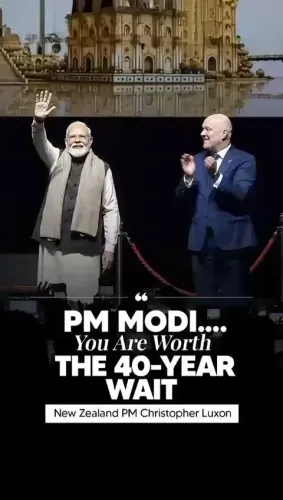
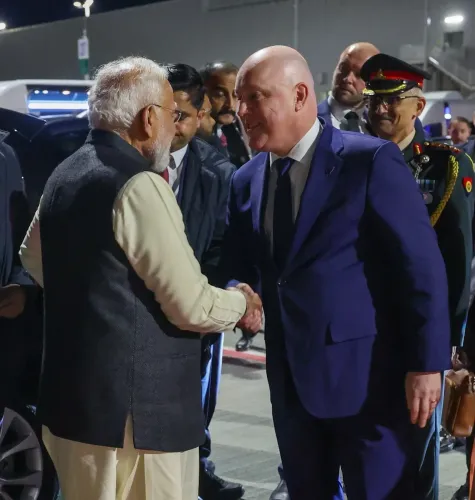
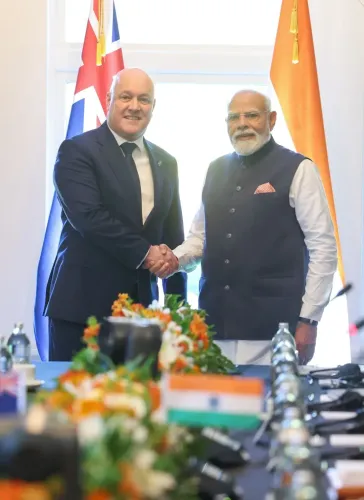
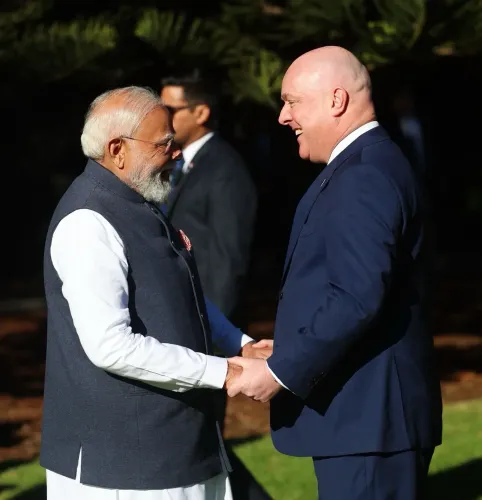
PM Modi Wraps First PM-Level India-NZ Visit in 40 Years
Synopsis
Prime Minister Narendra Modi wrapped up the first Indian Prime Ministerial visit to New Zealand in four decades, calling the outcomes 'unprecedented.' The trip, conducted alongside PM Chris Luxon, is expected to advance trade, education and strategic ties between the two Indo-Pacific democracies.
Key Takeaways
This was the first visit by an Indian Prime Minister to New Zealand in approximately 40 years .
PM Modi described the outcomes of the visit as 'unprecedented' in bringing India and New Zealand closer.
The visit was conducted alongside New Zealand Prime Minister Chris Luxon .
Key sectors of bilateral interest include trade, agriculture, education and technology .
Negotiations for an India-New Zealand Comprehensive Economic Cooperation Agreement have been ongoing since 2010 and may receive renewed momentum.
The Indian diaspora in New Zealand and trade and education sectors are the primary stakeholders watching for follow-up action.
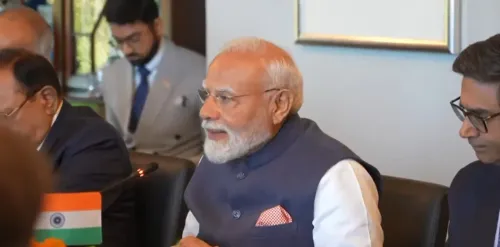
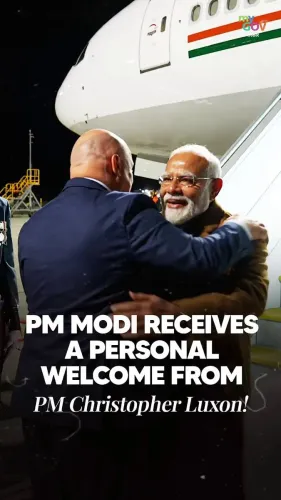
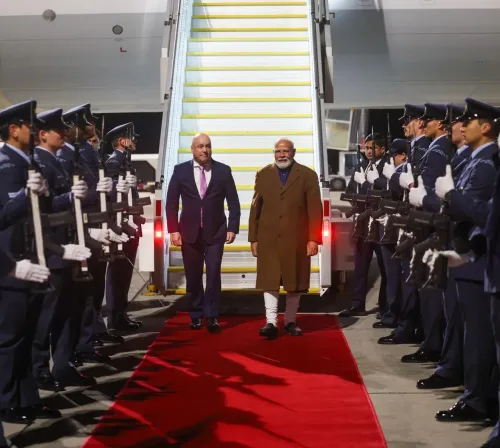
Prime Minister Narendra Modi on Sunday, 13 July 2026, shared highlights from his landmark visit to New Zealand — the first Prime Ministerial trip from India to the country in four decades — calling the outcomes 'unprecedented' in bringing the two nations closer. The post, addressed jointly to New Zealand Prime Minister Chris Luxon, was accompanied by a video capturing key moments from the visit.
Context
India and New Zealand established diplomatic relations in 1952, but high-level engagement between the two countries has historically been infrequent. The last Prime Ministerial visit from India to New Zealand predates the current era of active Indo-Pacific diplomacy by roughly 40 years, making Modi's trip a significant milestone in the bilateral relationship.
Modi described the visit as producing 'unprecedented outcomes' — language that signals more than routine diplomatic courtesies and points to substantive agreements or commitments reached during the engagements with PM Chris Luxon.
Policy Backdrop
Negotiations for an India-New Zealand Comprehensive Economic Cooperation Agreement (CECA) were first launched in 2010 but have seen limited progress over the intervening years. High-level visits of this kind are typically used to inject political momentum into stalled trade frameworks and to signal commitment at the leadership level.
New Zealand is a natural partner for India across several sectors — agriculture, education, technology and regional security — and sits within India's broader strategic interest in engaging democratic partners across the Indo-Pacific. Modi has undertaken multiple such bilateral visits across the region as part of India's sustained diplomatic outreach.
Stakeholders and Impact
The Indian diaspora in New Zealand, one of the country's fastest-growing communities, stands to benefit directly from enhanced people-to-people ties, including potential improvements in mobility, education pathways and cultural exchange. Trade and education sectors in both countries are the primary institutional stakeholders watching for concrete follow-through.
For New Zealand, deeper engagement with India — the world's most populous country and one of the fastest-growing major economies — offers significant economic diversification at a time when Wellington is actively broadening its strategic partnerships across Asia.
What's Next
Attention will now turn to the implementation of any agreements or frameworks announced during the visit, including potential ministerial-level follow-up meetings and progress on the long-pending CECA negotiations. The political signal sent by a Prime Ministerial visit of this magnitude typically sets a timeline expectation for tangible deliverables within the following months.
Both governments will be expected to translate the 'unprecedented outcomes' cited by PM Modi into actionable policy steps, with the Indian diaspora, trade bodies and educational institutions in both countries closely monitoring developments.
Point of View
Designed to create domestic and bilateral pressure for concrete deliverables on the stalled CECA. This visit fits a well-established Modi-era pattern: high-visibility bilateral trips that reset the political temperature of a relationship and compress the timeline for bureaucratic follow-through. The real test will come in the months ahead, when the momentum of a Prime Ministerial visit either translates into signed agreements or quietly dissipates.
NationPress
12 Jul 2026
Frequently Asked Questions
When did PM Modi visit New Zealand?
PM Modi's visit to New Zealand took place in July 2026 , with highlights shared on 13 July 2026 . It was the first visit by an Indian Prime Minister to New Zealand in approximately 40 years .
What was the purpose of Modi's New Zealand visit?
The visit aimed to strengthen bilateral ties between India and New Zealand across trade, education, agriculture and regional security, and to inject momentum into the long-pending Comprehensive Economic Cooperation Agreement negotiations.
Who is the Prime Minister of New Zealand that met Modi?
Chris Luxon is the Prime Minister of New Zealand. He hosted PM Modi during the visit and the two leaders held bilateral engagements focused on expanding India-New Zealand cooperation.
What is the India-New Zealand trade agreement status?
Negotiations for an India-New Zealand Comprehensive Economic Cooperation Agreement (CECA) were launched in 2010 but have seen limited progress. Modi's 2026 visit is expected to give renewed political momentum to these talks.
Why is Modi's New Zealand visit historically significant?
It is the first visit by an Indian Prime Minister to New Zealand in roughly four decades , making it a landmark moment in a bilateral relationship that has historically lacked sustained high-level engagement.