Impact of Model Code of Conduct on Vellore's Historic Poigai Cattle Market
Synopsis
The historic Poigai cattle market in Vellore faces a drastic decline in activity due to the Model Code of Conduct for upcoming elections. Learn how cash restrictions and increased surveillance are reshaping this vital trading hub.
Key Takeaways
Decline in Activity: The Poigai cattle market has seen a significant decrease in traders and transactions since the MCC enforcement.
Cash Restrictions: The MCC imposes cash limits, affecting cash-based transactions crucial for the market.
Increased Surveillance: Heightened checks have led to fears and reduced participation among traders.
Economic Impact: The decline in trade poses a threat to the livelihoods of many families dependent on this market.
Need for Adaptation: Traders must adapt to digital payments to sustain their businesses during these restrictions.
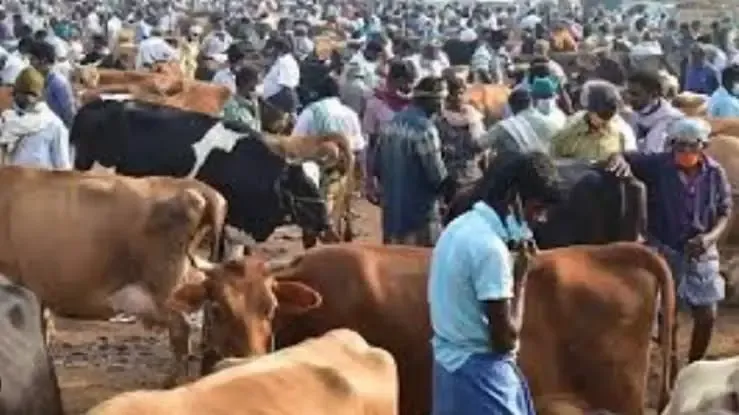
Vellore, March 19 (NationPress) The historic weekly cattle fair at Poigai, situated near Vellore in Tamil Nadu, has seen a significant downturn in operations due to the implementation of the Model Code of Conduct (MCC) ahead of the forthcoming Assembly elections.
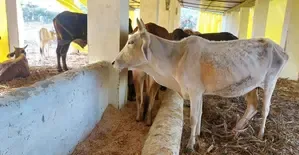
Positioned near the Poigai bus terminal along the Chennai-Bengaluru National Highway, approximately 10 kilometers from Vellore, this market has been an essential trading center for livestock in the area.
Typically, on a Tuesday, upwards of 2,000 traders gather, with around 1,500 cattle changing hands in deals amounting to several crores of rupees. However, the new cash restrictions under the MCC, capping individual cash holdings at Rs 50,000, have severely affected market operations.
During the latest trading day, which was the first since the MCC took effect, fewer traders and diminished cattle arrivals were evident.
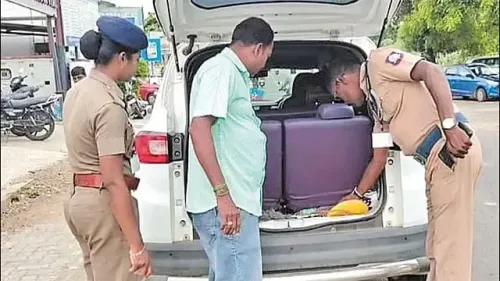
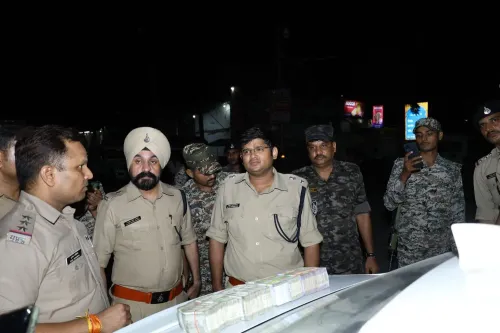
The market, which has predominantly relied on cash for transactions, is facing significant challenges due to increased surveillance. Inspection teams and flying squads have intensified checks, leading to the confiscation of unaccounted cash and inducing fear among traders and buyers.
The decline in trader participation has resulted in a noticeable 30 percent drop in sales compared to typical trading days. The restrictions have also underscored the difficulties faced by those unaccustomed to digital payment methods, hindering their ability to swiftly adapt to alternative transaction means.
In addition to local traders from Vellore, the Poigai market generally attracts participants from surrounding districts such as Tirupattur, Ranipet, Dharmapuri, and Krishnagiri, as well as from adjacent areas in Andhra Pradesh and Karnataka.
However, stricter checks at inter-district and interstate borders have further deterred movement, leading to a reduction in buyers from other regions.
This situation has raised alarms among traders and cattle owners, as the weekly market is a crucial source of income for many.
With the election-related restrictions likely to persist in the coming weeks, uncertainty looms over the continuation of normal trading activities. Amid these challenges, stakeholders are advocating for measures that support lawful trade during the election period while ensuring adherence to regulatory standards to mitigate prolonged disruptions to the rural economy that heavily relies on livestock trade.
Point of View
It is crucial to observe the implications of the Model Code of Conduct on local economies. The decline in cattle trading at Poigai is not just a market issue; it affects the livelihoods of many families dependent on this trade. It highlights a need for balancing regulatory measures with the economic realities faced by rural communities.
NationPress
24 Sept 2026
Frequently Asked Questions
What is the Model Code of Conduct?
The Model Code of Conduct is a set of guidelines issued by the Election Commission to ensure free and fair elections. It restricts the use of government resources and regulates the conduct of political parties and candidates.
How has the MCC affected the Poigai cattle market?
The MCC has led to strict cash limits and increased surveillance, drastically reducing trader participation and cattle sales at the Poigai cattle market.
What are the cash limits imposed under the MCC?
Under the MCC, individuals are limited to carrying a maximum of Rs 50,000, which has significantly impacted cash-dependent markets like Poigai.
What challenges are traders facing due to these restrictions?
Traders are struggling to adapt to digital payment systems, which many are not accustomed to, making it difficult to conduct business as usual.
Why is the Poigai market important?
The Poigai cattle market is a critical source of livelihood for many local traders and farmers, serving as a major trading hub for livestock in the region.