Pradhan Hails PM Modi's Mayurbhanj Visit for Tribal Education
Synopsis
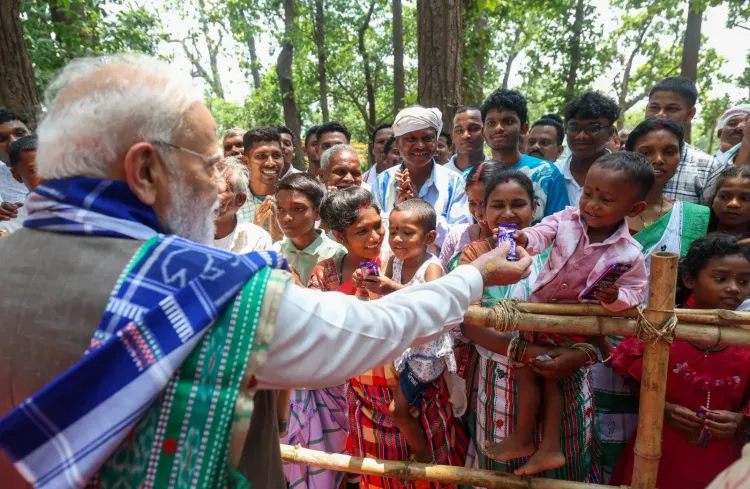
Union Education Minister Dharmendra Pradhan has praised PM Narendra Modi's visit to Mayurbhanj, framing it as evidence of the 'double engine government's' drive to expand education access, skill development, and socio-economic empowerment in tribal and rural Odisha.
Key Takeaways
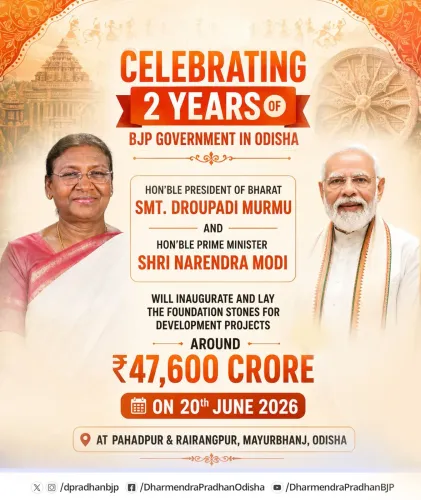
Dharmendra Pradhan praised PM Modi's visit to Mayurbhanj , Odisha's tribal-majority northern district, on 20 June 2026 .
Pradhan called the visit 'a reflection of the double engine government's continuous efforts' on education and skill development in tribal areas.
The National Education Policy 2020 and the Eklavya Model Residential Schools scheme form the policy backbone for tribal education outreach in Odisha.
The BJP's 'double engine government' model became applicable in Odisha after the party won the 2024 state assembly elections.
Pradhan linked the visit to empowering 'every person standing in the last row of society' — a reference to marginalised tribal and rural communities.
Analysts will watch for follow-up announcements on new Eklavya schools, skill centres, or budgetary allocations for Mayurbhanj .
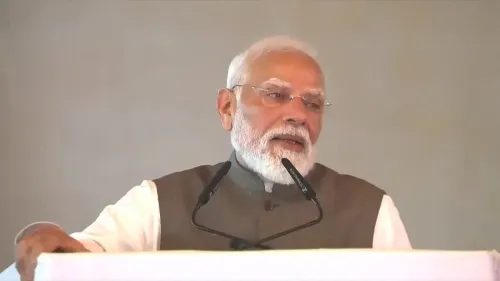
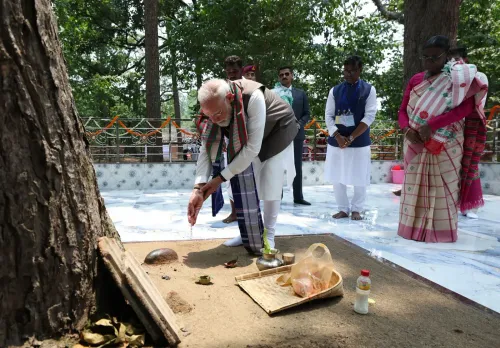
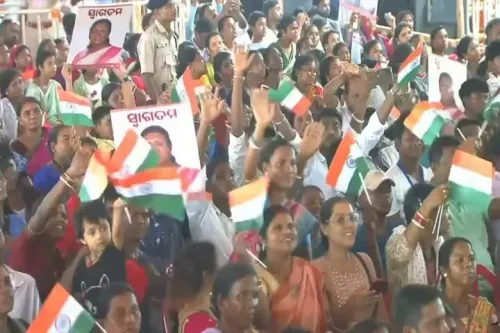
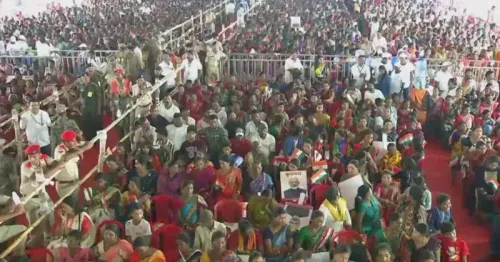
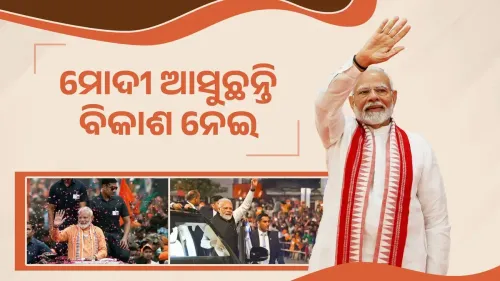
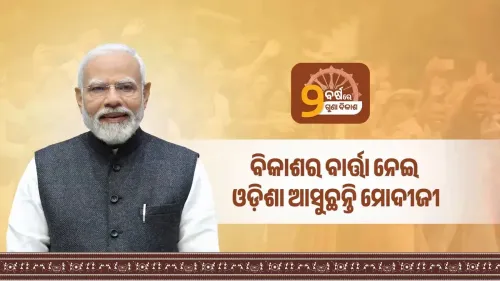
Union Education Minister Dharmendra Pradhan on Saturday, 20 June 2026, praised Prime Minister Narendra Modi's visit to Mayurbhanj, describing it as a reflection of the 'double engine government's' sustained commitment to strengthening educational opportunity, skill development, and socio-economic empowerment in tribal and rural areas of Odisha.
Context
Pradhan, replying to Modi's own post on X, wrote in Odia that the Prime Minister's visit is 'ଡବଲ ଇଞ୍ଜିନ ସରକାର'ଙ୍କ ନିରନ୍ତର ପ୍ରୟାସର ଏକ ପ୍ରତିଫଳନ' — 'a reflection of the double engine government's continuous efforts'. He added that the visit would give development in Mayurbhanj 'a new momentum' and inspire empowerment of every person 'standing in the last row of society'.
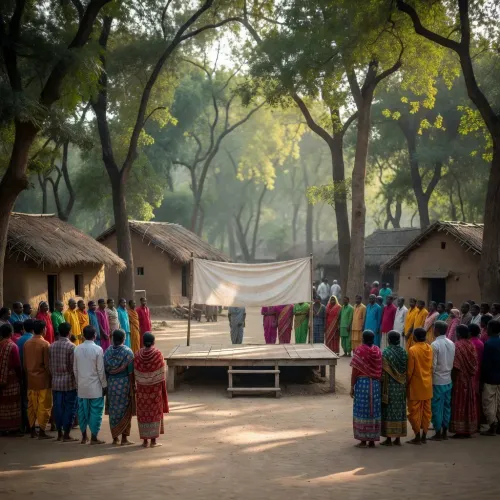
Mayurbhanj is a tribal-majority district in northern Odisha with a significant Scheduled Tribe population. It has been a recurring focus of both central and state government development programmes targeting literacy, livelihoods, and social infrastructure.
Policy Backdrop
The BJP's 'double engine government' formulation refers to the alignment of the central government and a state government under the same party, which the party argues accelerates scheme delivery. In Odisha, the BJP formed the state government after the 2024 assembly elections, making such coordination possible for the first time in the state.
The National Education Policy 2020 explicitly prioritises equitable access and vocational training for tribal and rural learners. The Eklavya Model Residential Schools scheme, expanded progressively since the 2010s, provides residential schooling in tribal blocks across Odisha and other states, and has been a key vehicle for extending education infrastructure into districts like Mayurbhanj.
Stakeholders and Impact
The primary beneficiaries of the initiatives cited by Pradhan are tribal students and rural youth in Odisha's Scheduled Tribe-concentrated districts. Mayurbhanj, with one of the largest tribal populations in the country, stands to benefit from any expansion of Eklavya schools, skill development centres, or allied welfare spending.
Pradhan, who is himself from Odisha and has long championed the state's development interests at the Centre, has consistently linked education policy with the broader socio-economic uplift of marginalised communities in eastern India. His post also tagged the Rashtrapati Bhavan handle, underscoring the constitutional and symbolic significance attached to tribal welfare in the national discourse.
What's Next
Observers will watch for follow-up announcements from either the Ministry of Education or the Ministry of Tribal Affairs on new Eklavya Model Residential Schools, skill centres, or enhanced budgetary allocations specifically earmarked for Mayurbhanj and comparable tribal districts. Any formal scheme launches or foundation-stone layings during or after the Prime Minister's visit would be the concrete policy output that gives shape to the empowerment rhetoric articulated by Pradhan.
The broader pattern — a senior minister amplifying a prime ministerial visit to a historically underserved district with education and skill-development messaging — signals that tribal Odisha is likely to remain a visible priority for the BJP-led central government in the near term.
Point of View
Signals continuity with NEP 2020's equity goals, and consolidates the party's outreach to Scheduled Tribe voters in a state it only recently won. The tagging of Rashtrapati Bhavan adds a constitutional dignity to what is also a political communication. Mayurbhanj's persistent lag on literacy and employment metrics makes it a high-visibility test case for whether coordinated central-state governance can move the needle on tribal welfare. The post stops short of announcing specific schemes, suggesting the communication is pegged to the visit's optics rather than a concrete policy launch.
NationPress
20 Jun 2026
Frequently Asked Questions
Why did Dharmendra Pradhan praise PM Modi's Mayurbhanj visit?
Pradhan described the visit as a reflection of the 'double engine government's' sustained efforts to strengthen educational opportunity, skill development, and socio-economic empowerment in tribal and rural areas of Odisha.
What is the 'double engine government' that Pradhan referred to?
The 'double engine government' is a BJP formulation referring to the alignment of the central government and a state government under the same party, which the BJP argues enables faster and more coordinated delivery of development schemes.
What is Mayurbhanj and why is it significant for tribal education?
Mayurbhanj is a tribal-majority district in northern Odisha with one of the country's largest Scheduled Tribe populations. It has been a focus of central and state schemes including the Eklavya Model Residential Schools aimed at improving education access in tribal blocks.
What is the Eklavya Model Residential Schools scheme?
The Eklavya Model Residential Schools scheme provides residential schooling facilities in tribal blocks across India. It has been progressively expanded since the 2010s and is a key instrument for extending quality education infrastructure into districts like Mayurbhanj.
What policy framework supports tribal education in Odisha?
The National Education Policy 2020 prioritises equitable access and vocational training for tribal and rural learners, and the Eklavya Model Residential Schools scheme operationalises this in Scheduled Tribe-concentrated districts across Odisha and other states.