Pradhan Thanks PM Modi for Second Navodaya School in Mayurbhanj
Synopsis
Union Education Minister Dharmendra Pradhan has thanked PM Narendra Modi for approving a second Jawahar Navodaya Vidyalaya in Mayurbhanj, Odisha — a tribal-majority district. The move expands free residential schooling access for talented rural and tribal students, departing from the scheme's traditional one-school-per-district norm.
Key Takeaways
Union Education Minister Dharmendra Pradhan announced on 20 June 2026 that PM Narendra Modi has approved a second Jawahar Navodaya Vidyalaya for Mayurbhanj , Odisha.
Mayurbhanj is a tribal-majority district in northern Odisha; a second JNV breaks from the scheme's conventional one-school-per-district norm.
Jawahar Navodaya Vidyalayas offer free residential education to meritorious rural children and have operated since 1985-86 under the Navodaya Vidyalaya Samiti.
The new school is intended to expand access for Scheduled Tribe and rural students who face limited seats at the existing JNV in the district.
Rollout will require land allocation, staff recruitment, and central funding before the school can enrol students.
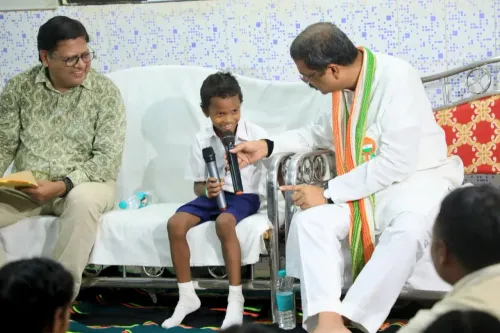
Union Education Minister Dharmendra Pradhan on Saturday, 20 June 2026, thanked Prime Minister Narendra Modi for approving a second Jawahar Navodaya Vidyalaya in Mayurbhanj, a tribal-majority district in northern Odisha, calling the decision a step toward securing the futures of talented students from tribal and rural communities.
Posting in Odia on X, the Minister wrote: 'ମୟୂରଭଞ୍ଜରେ ଦ୍ୱିତୀୟ ନବୋଦୟ ବିଦ୍ୟାଳୟ ପ୍ରତିଷ୍ଠା ପାଇଁ ସ୍ୱୀକୃତି ପ୍ରଦାନ କରିଥିବାରୁ ମାନ୍ୟବର ପ୍ରଧାନମନ୍ତ୍ରୀ ଙ୍କୁ ଧନ୍ୟବାଦ ଜଣାଉଛି' — 'I thank the honourable Prime Minister for granting approval for the establishment of a second Navodaya Vidyalaya in Mayurbhanj. This educational initiative will help build a bright future for talented students from tribal and rural areas.'
Context
Mayurbhanj is one of Odisha's largest districts by area and has a substantial Scheduled Tribe population, making it a priority zone for centrally-funded residential schooling. The district already hosts one Jawahar Navodaya Vidyalaya; the approval of a second marks a departure from the conventional one-school-per-district norm that has governed the scheme since its inception.
Dharmendra Pradhan, himself from Odisha, has consistently championed educational investments in the state's tribal belts since taking charge of the Education Ministry.
Policy Backdrop
Jawahar Navodaya Vidyalayas (JNVs) were launched in 1985-86 under the National Policy on Education 1986 to bridge the rural-urban education divide by offering free, residential, high-quality schooling to meritorious children selected through a national entrance test. The Navodaya Vidyalaya Samiti administers the network across the country.
Over the decades, successive governments have expanded the JNV footprint into educationally backward and tribal blocks, and the current administration has aligned further expansion with the goals of the National Education Policy (NEP) 2020, which emphasises equitable access and mother-tongue-based early instruction.
Stakeholders and Impact
The direct beneficiaries are tribal and rural students in Mayurbhanj who currently face long distances or limited seats at the existing JNV. A second school would significantly expand the number of residential seats available to children from Scheduled Tribe and other rural households who cannot afford private schooling.
The approval also carries political resonance: Mayurbhanj sends a sizeable bloc of voters to both the state assembly and Parliament, and educational infrastructure announcements in tribal districts have historically been central to the BJP's outreach in Odisha.
What's Next
The formal rollout of the new school will depend on land allocation by the Odisha state government, recruitment of teaching and administrative staff by the Navodaya Vidyalaya Samiti, and the release of central funds. Watchers will track whether similar second-school approvals follow for other large tribal districts in Odisha and other states, which could signal a broader policy shift away from the one-school-per-district ceiling.
If executed on schedule, the new Mayurbhanj JNV could enrol its first batch of students within the next two to three academic years, offering hundreds of additional seats to children who would otherwise compete for limited spots in the existing school.
Point of View
So any exception signals deliberate policy intent rather than routine expansion. For Pradhan, publicly crediting PM Modi in Odia reinforces his dual role as Education Minister and the BJP's most prominent Odia face, keeping tribal welfare messaging visible ahead of electoral cycles. The move also tests whether the Centre is willing to systematically revisit the per-district cap for large, underserved tribal districts, which could have significant implications for states like Jharkhand, Chhattisgarh, and Madhya Pradesh with comparable demographics.
NationPress
19 Sept 2026
Frequently Asked Questions
What is a Jawahar Navodaya Vidyalaya and who can study there?
A Jawahar Navodaya Vidyalaya (JNV) is a free, co-educational residential school run by the Navodaya Vidyalaya Samiti under the Union Education Ministry. Admission is through the Jawahar Navodaya Vidyalaya Selection Test, open to talented rural children, with seats reserved for Scheduled Tribe, Scheduled Caste, and girls.
Why is a second Navodaya Vidyalaya significant for Mayurbhanj?
Mayurbhanj is one of Odisha's largest and most tribal-populated districts. The JNV scheme normally allows only one school per district, so a second school marks an exception that will substantially increase the number of free residential seats available to tribal and rural students in the area.
Who approved the second Navodaya Vidyalaya in Mayurbhanj?
Prime Minister Narendra Modi's government granted the approval, which Union Education Minister Dharmendra Pradhan publicly acknowledged and thanked the Prime Minister for on 20 June 2026.
When will the new Mayurbhanj Navodaya Vidyalaya start functioning?
No official opening date has been announced. The school's launch will depend on land allocation by the Odisha state government, staff recruitment by the Navodaya Vidyalaya Samiti, and the release of central funds.
What is Dharmendra Pradhan's connection to Odisha?
Dharmendra Pradhan is a senior BJP leader from Odisha and currently serves as Union Minister of Education. He previously served as Union Petroleum Minister and has been a consistent advocate for educational and developmental investments in Odisha's tribal regions.