Pradhan Inaugurates Historic Prajamandal Bhavan in Talcher
Synopsis
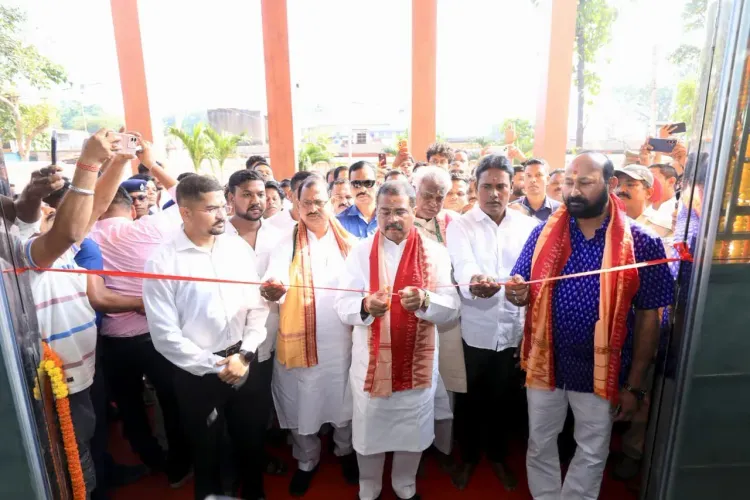
Union Education Minister Dharmendra Pradhan inaugurated the historic Prajamandal Bhavan in Talcher, Odisha, on November 11, 2026, calling it a future intellectual and cultural centre for the industrial town. The building is linked to the Praja Mandal freedom movement against princely rule.
Key Takeaways
Dharmendra Pradhan inaugurated the historic Prajamandal Bhavan in Talcher, Angul district, Odisha on November 11, 2026 .
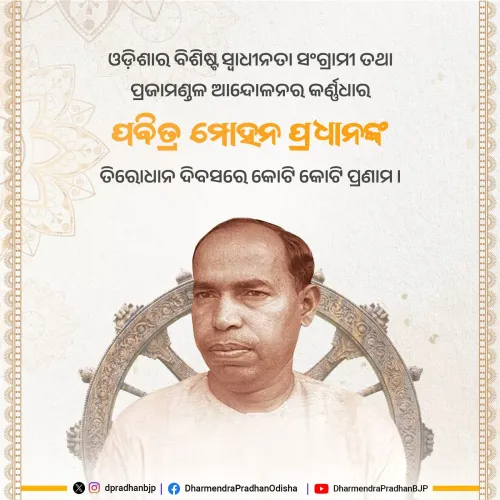
The building is historically linked to the Praja Mandal movement — a grassroots resistance against princely rule during India's independence struggle.
Pradhan envisions it as a leading intellectual and cultural centre for Talcher, hosting meetings, cultural events, and community organisations.
Talcher is primarily known as an industrial coal-mining town in Odisha; a dedicated cultural venue addresses a longstanding civic gap.
The inauguration fits a broader pattern of central ministers from Odisha connecting administrative presence with local heritage.
Future maintenance funding and programming by state or central agencies will be key to activating the venue's stated mission.
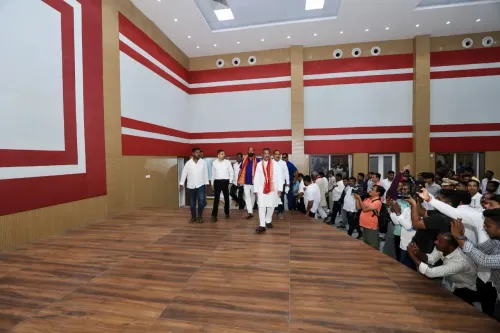
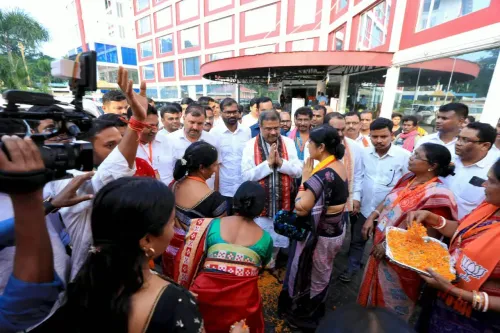
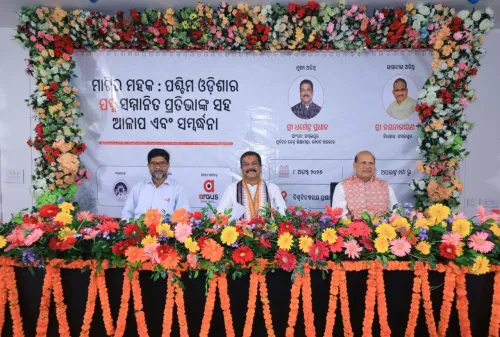
A building that once echoed with the defiance of a freedom movement now has a renewed purpose. Union Education Minister Dharmendra Pradhan on Wednesday, November 11 inaugurated the historic 'Prajamandal Bhavan' in Talcher, Odisha — a landmark tied to the Praja Mandal movement that challenged princely rule during India's independence struggle.
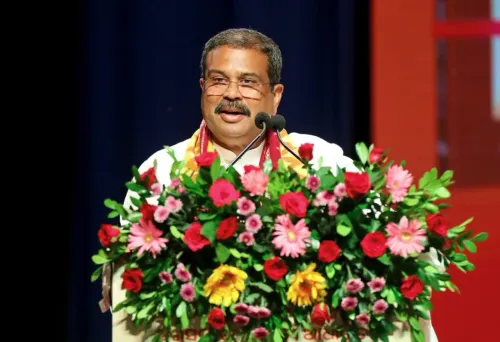
Posting in Odia on X, Pradhan said he felt privileged to be part of the occasion — 'ଏହା ଆମ ତାଳଚେର ସହରର ଏକ ପ୍ରମୁଖ ବୌଦ୍ଧିକ ଓ ସାଂସ୍କୃତିକ କେନ୍ଦ୍ର ଭାବେ ପରିଣତ ହେବ' — 'This will become a leading intellectual and cultural centre of our Talcher city, where various meetings, cultural programmes, and events of different social organisations can be conducted.'Talcher's Freedom-Era Legacy Gets a Living Stage
Talcher, a coal-rich industrial town in Angul district, Odisha, carries a layered history. Beyond its mines and power plants, it was once a princely state where the Praja Mandal movement — a grassroots uprising against feudal princely authority — took root in the run-up to Indian independence. Prajamandal Bhavan stands as a physical marker of that resistance, and its inauguration as a public cultural venue is a deliberate act of re-connecting the town with that civic heritage.
The move aligns with a broader pattern visible across Odisha: central ministers with roots in the state have increasingly anchored themselves to local heritage events, using the platform to blend administrative visibility with cultural identity. For an industrial town like Talcher — defined more by coal and thermal power than by arts or public discourse — a dedicated intellectual and cultural hub fills a genuine institutional gap.
What the Bhavan Is Meant to Become
Pradhan's post frames the building not as a museum piece but as a working civic venue — open to community assemblies, cultural performances, and civil society organisations. That framing matters: heritage buildings repurposed for active community use tend to sustain relevance in ways that passive preservation rarely does. Whether state or central agencies commit maintenance funding and a programming calendar will determine how quickly the vision becomes routine reality.
Point of View
Pradhan ties the central government's cultural infrastructure push directly to local historical memory — a soft-power play that is increasingly common in BJP outreach in Odisha. The state has been a key electoral battleground, and investments in civic and cultural identity in smaller industrial towns like Talcher serve a dual purpose: genuine community development and visible administrative presence beyond state capitals. Whether the Bhavan becomes a living hub or a ceremonial backdrop will depend entirely on what follows the ribbon-cutting.
NationPress
11 Nov 2026
Frequently Asked Questions
What is Prajamandal Bhavan in Talcher?
Prajamandal Bhavan is a historic building in Talcher, Odisha, linked to the Praja Mandal movement — a popular uprising against princely rule during India's pre-independence era. It has now been inaugurated as a public intellectual and cultural centre.
Who inaugurated Prajamandal Bhavan in Talcher?
Union Education Minister Dharmendra Pradhan inaugurated Prajamandal Bhavan in Talcher on November 11, 2026 .
Where is Talcher located?
Talcher is an industrial town in Angul district, Odisha . It is historically significant as a coal-mining hub and was once a princely state.
What is the Praja Mandal movement?
The Praja Mandal movement was a grassroots political resistance launched by people in various princely states across India against feudal princely authority, particularly during the 1930s and 1940s in the lead-up to independence.
What will Prajamandal Bhavan be used for?
According to Dharmendra Pradhan, the building will serve as an intellectual and cultural hub for Talcher — hosting community meetings, cultural programmes, and events of various social organisations.