Pradhan joins Tiranga Padayatra at martyr Baji Raut's birthplace
Synopsis
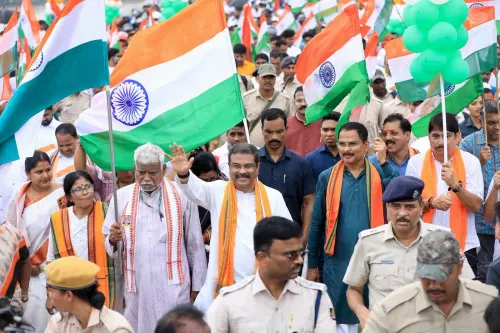
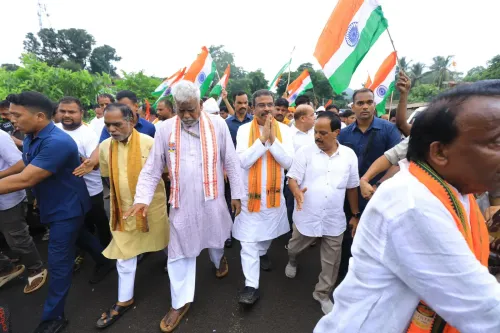
Union Education Minister Dharmendra Pradhan joined a Tiranga Padayatra in Nilakanthapur, Dhenkanal — the birthplace of 12-year-old martyr Shaheed Baji Raut — on the eve of Independence Day, highlighting the freedom fighter's legacy and the Har Ghar Tiranga spirit among local youth.
Key Takeaways
Dharmendra Pradhan participated in a Tiranga Padayatra in Nilakanthapur, Dhenkanal district, Odisha on 14 August 2026 .
Shaheed Baji Raut , born in Nilakanthapur, was killed at age 12 in 1938 during the Prajamandal movement — making him India's youngest martyr.
Pradhan described the participation of ordinary citizens and youth as a spontaneous expression of patriotism and national pride.
The event is part of a recurring pattern of central ministers joining Tiranga marches ahead of 15 August under the Har Ghar Tiranga campaign.
Flag-hoisting programmes and similar marches are scheduled across Odisha and other states on Independence Day.
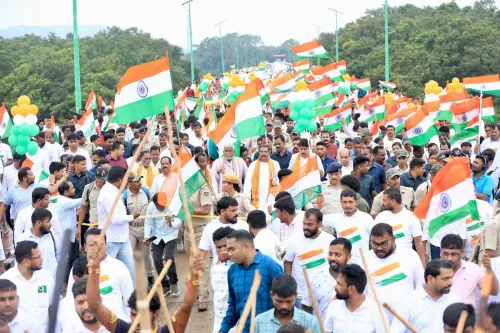
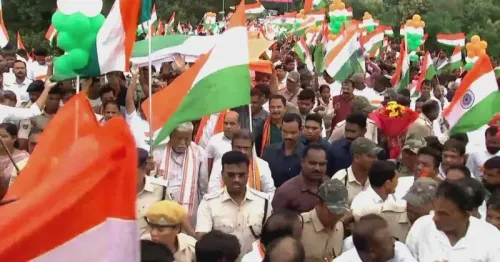
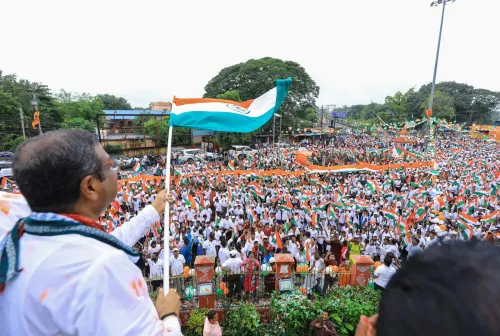
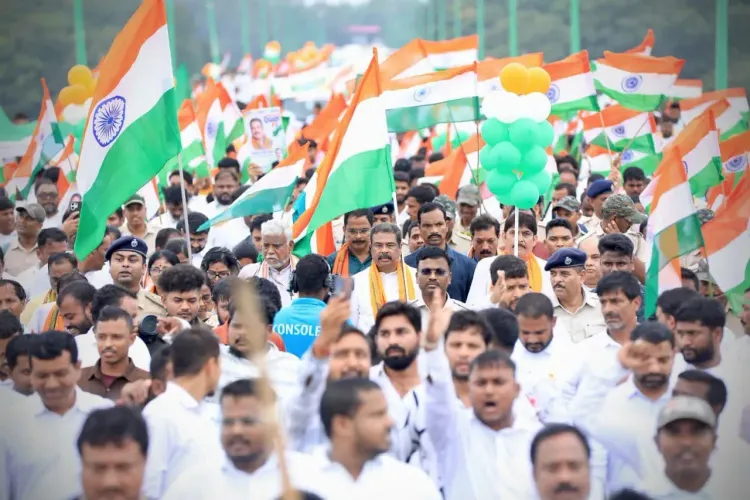
On the eve of Independence Day, Union Education Minister Dharmendra Pradhan walked through Nilakanthapur in Dhenkanal district, Odisha — the birthplace of Shaheed Baji Raut, India's youngest freedom fighter — joining a Tiranga Padayatra that drew local youth and residents in a display of national pride.
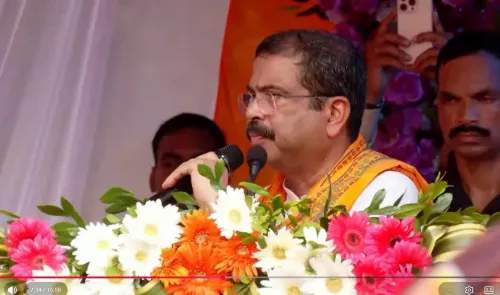
Sharing the moment on 14 August 2026, Pradhan wrote: 'तिरंगा यात्रा - हमारा गौरव, हमारा स्वाभिमान!' ('Tiranga Yatra — our pride, our self-respect!'). He described it as a privilege to join the march in the sacred birthland of the country's youngest martyr, noting the spontaneous enthusiasm and patriotic spirit visible among ordinary people and young participants.
Who was Baji Raut — and why Dhenkanal matters
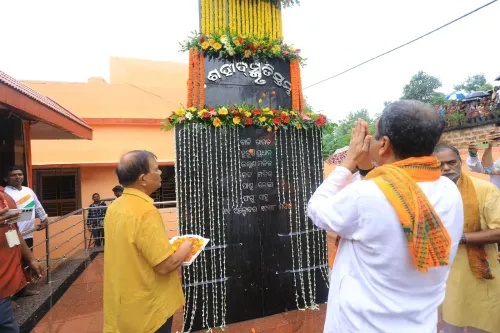
Shaheed Baji Raut was just 12 years old when he was killed in 1938 during the Prajamandal movement in Dhenkanal, a popular uprising against the feudal ruler of the princely state. He refused to ferry British-backed forces across the Brahmani river at night and was shot — making him the youngest martyr of India's independence struggle. Nilakanthapur, where today's padayatra was held, is the village that witnessed that act of defiance.
For Pradhan, who represents Sambalpur in Odisha and has deep political roots in the state, the choice of venue is pointed. Elevating Odia freedom fighters on the national stage has been a consistent thread in his public engagements, and walking through Baji Raut's village the day before Independence Day carries unmistakable symbolic weight.
Tiranga marches and the 'Har Ghar Tiranga' momentum
The padayatra fits into a broader national pattern. Since the Har Ghar Tiranga campaign was launched in 2022 under Azadi Ka Amrit Mahotsav, central ministers and state leaders have joined flag marches and memorial events in the days leading up to 15 August — connecting local historical figures with a nationwide push to deepen engagement with the national flag. Similar programmes are scheduled across Odisha and other states for Independence Day itself.
What stood out in Pradhan's account was not the march's scale but its texture — the 'जनसामान्य और युवा साथियों का उत्साह' ('enthusiasm of ordinary people and young companions') that he said was visible without any orchestration. A 12-year-old boy's sacrifice, remembered on a summer evening walk through his village, eighty-eight years later. That is what Independence Day is built on.
Point of View
More visible urban event — reflects a deliberate effort to anchor Independence Day messaging in Odisha's own freedom-struggle heritage, a state the BJP has been cultivating intensively. Elevating figures like Baji Raut serves dual purpose: it deepens the Har Ghar Tiranga campaign's grassroots credibility and reinforces Pradhan's identity as Odisha's most prominent national-level voice. The framing of youth enthusiasm as 'spontaneous' rather than mobilised is itself a political signal — suggesting organic patriotism rather than party machinery. Expect similar high-profile ministerial visits to regional martyrs' sites to become a fixture of pre-Independence Day outreach.
NationPress
14 Aug 2026
Frequently Asked Questions
Who was Shaheed Baji Raut?
Shaheed Baji Raut was a 12-year-old boy from Nilakanthapur in Dhenkanal, Odisha , shot dead in 1938 for refusing to ferry British-backed forces across the Brahmani river — making him the youngest martyr of India's freedom struggle.
What is a Tiranga Padayatra?
A Tiranga Padayatra is a foot march ('padayatra') held under the national flag ('tiranga'), typically organised around Independence Day to promote patriotism and awareness of India's freedom struggle.
What is the Har Ghar Tiranga campaign?
The Har Ghar Tiranga campaign was launched in 2022 under Azadi Ka Amrit Mahotsav to encourage every Indian household to display the national flag around Independence Day.
Why did Dharmendra Pradhan visit Dhenkanal?
Dharmendra Pradhan joined a Tiranga Padayatra in Nilakanthapur, Dhenkanal on the eve of Independence Day to honour Shaheed Baji Raut and participate in the national flag-march movement.
Where is Nilakanthapur located?
Nilakanthapur is a village in Dhenkanal district, Odisha , and is the birthplace of freedom fighter Shaheed Baji Raut .