Pradhan Vows to Build Baji Rout's Birthplace as Inspiration Hub
Synopsis
On Independence Day eve 2026, Union Education Minister Dharmendra Pradhan pledged to develop Nilakanthapur in Dhenkanal, Odisha — birthplace of 12-year-old martyr Baji Rout, shot dead by British police in 1938 — into a centre of inspiration for future generations.
Key Takeaways
Union Education Minister Dharmendra Pradhan pledged on 14 August 2026 to develop Nilakanthapur , Dhenkanal, as an inspirational centre.
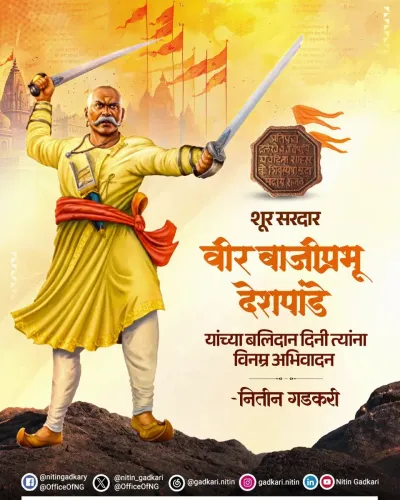
Baji Rout was a 12-year-old boatman martyred in 1938 during the Dhenkanal Prajamandal movement against princely state rule.
Rout was shot dead by British police after refusing to ferry them across a river — making him one of India's youngest freedom-struggle martyrs.
The pledge aligns with a broader BJP-led effort to commemorate lesser-known regional martyrs, particularly from eastern India.
No specific budgets or timelines for the Nilakanthapur project have been announced yet.
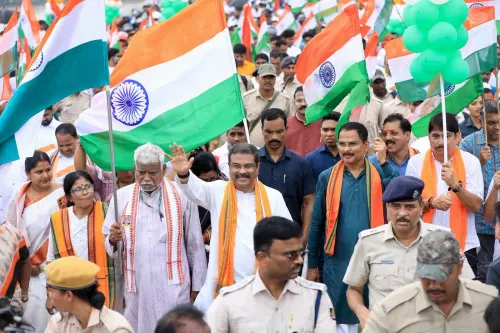
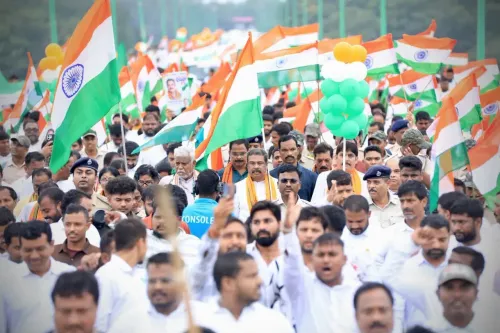
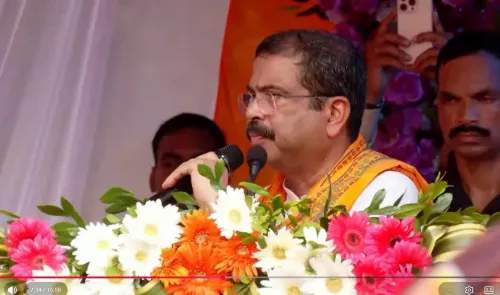
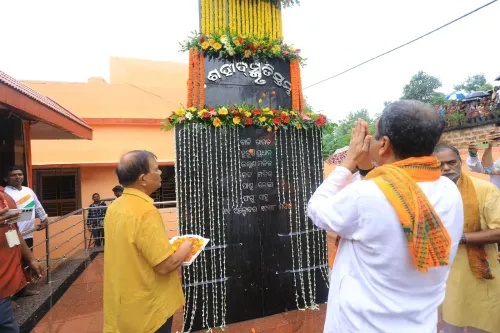
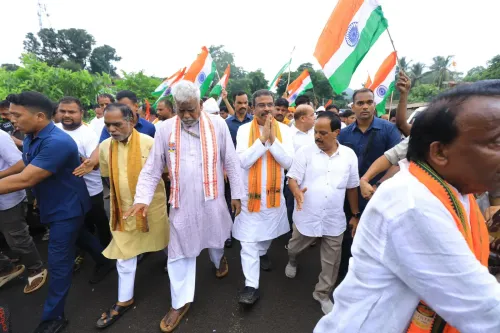
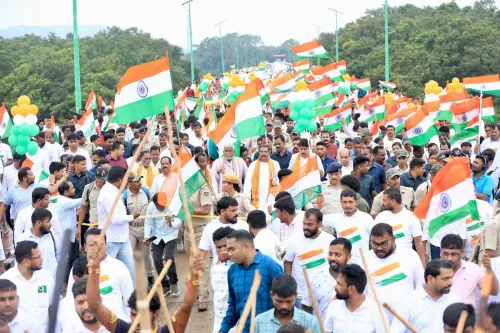
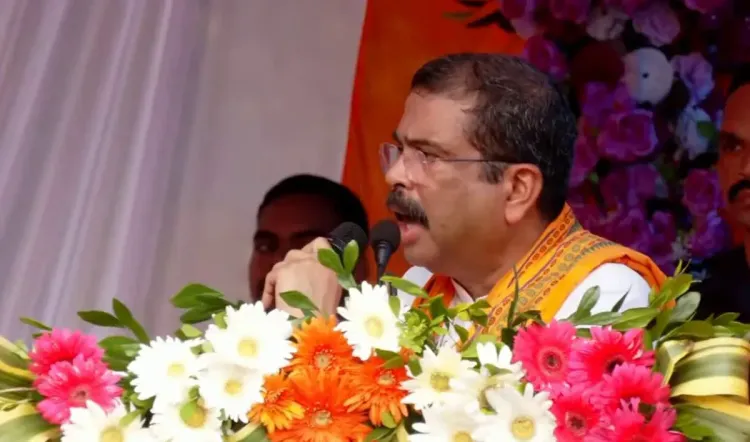
India's youngest freedom fighter never lived to see independence — but Union Education Minister Dharmendra Pradhan wants to ensure Baji Rout is never forgotten. On 14 August 2026, the eve of Independence Day, Pradhan pledged to develop Nilakanthapur — the Dhenkanal village where the 12-year-old martyr was born — into a centre of inspiration for generations to come.
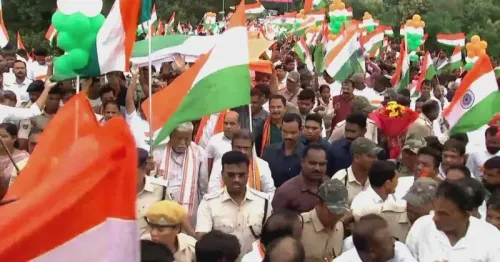
Writing in Odia, the minister stated: 'Shahid Baji Rautanka janmasthana Nilakanthapur ku preranara kendra bhabe gadhitoliba' — 'We will build Nilakanthapur, the birthplace of martyr Baji Rout, as a centre of inspiration.' The post, accompanied by a video, arrived on the most symbolic day possible: the night before India marks 79 years of independence.
The Boy Who Stood Before British Guns
Baji Rout was a child boatman in Dhenkanal district, Odisha, when British police opened fire on protesters during the 1938 Dhenkanal Prajamandal movement — a grassroots uprising against the autocratic rule of the local princely state. He was shot dead while refusing to ferry British forces across a river, making him one of the youngest martyrs of India's freedom struggle. He was 12 years old.
His story sits largely outside mainstream national textbooks, known deeply in Odisha but rarely taught beyond it. That gap is precisely what Pradhan, himself from Odisha, has repeatedly sought to close through public commemoration.
Regional Martyrs, National Memory
Pradhan's pledge fits a broader pattern: the BJP-led central government has made a deliberate effort to lift lesser-known regional freedom fighters into the national spotlight — particularly from eastern and tribal India, where the independence struggle took forms very different from the urban civil disobedience campaigns that dominate popular history.
Developing Nilakanthapur as an inspirational site could mean a memorial, a museum, educational infrastructure, or a combination — though no specific timelines or budgets have been announced. The ministries of Education and Culture both have instruments to drive such projects, and Pradhan's dual standing as a senior cabinet minister and an Odia political heavyweight gives the pledge institutional weight.
For the people of Dhenkanal and Odia youth more broadly, the statement lands on a charged moment: Independence Day eve, when the question of whose sacrifices are remembered — and whose are not — carries particular resonance.
A 12-year-old's act of defiance in 1938 helped light the fire of freedom. Whether Nilakanthapur becomes the landmark Pradhan envisions will depend on what follows the promise.
Point of View
He reinforces the BJP's sustained effort to reframe India's freedom struggle as a pan-regional, not Delhi-centric, story. For a minister who holds both the Education portfolio and deep roots in Odisha, the move carries dual weight — it is simultaneously a heritage claim and a soft political signal to Odia voters. The real test will be whether Nilakanthapur sees concrete infrastructure or remains a recurring rhetorical touchstone. If curriculum integration follows, Baji Rout's story could finally reach classrooms far beyond Dhenkanal.
NationPress
29 Sept 2026
Frequently Asked Questions
What is Nilakanthapur and why is it significant?
Nilakanthapur is a village in Dhenkanal district, Odisha , and the birthplace of martyr Baji Rout . Union Education Minister Dharmendra Pradhan has pledged to develop it into a centre of inspiration in Rout's memory.
What was the Dhenkanal Prajamandal movement?
The Dhenkanal Prajamandal movement was a 1938 grassroots uprising in Odisha against the autocratic rule of the local princely state. British police fired on protesters, killing young boatman Baji Rout during the agitation.
What did Dharmendra Pradhan announce about Baji Rout?
On 14 August 2026 , Union Education Minister Dharmendra Pradhan pledged to develop Nilakanthapur — Baji Rout's birthplace in Dhenkanal, Odisha — as a centre of inspiration, posting the commitment in Odia on Independence Day eve.
Has the government announced any budget for the Nilakanthapur memorial?
As of 14 August 2026 , no specific budget, timeline, or implementation details have been announced for the Nilakanthapur development project. The pledge was made by Dharmendra Pradhan via a post on Independence Day eve.