Pradhan Meets Ramdev, Backs Yoga for Youth Health
Synopsis
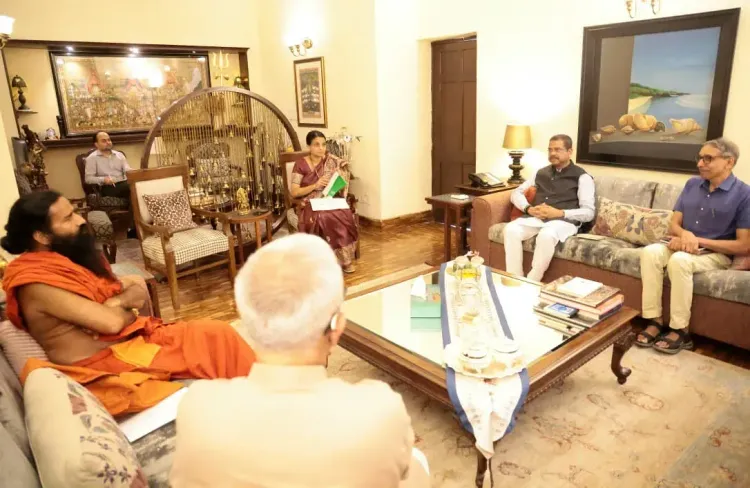
Union Education Minister Dharmendra Pradhan met yoga guru Ramdev on July 6, 2026, praising yoga as India's invaluable heritage and highlighting rising awareness among students and youth as the cornerstone of a Healthy India vision.
Key Takeaways
Dharmendra Pradhan met Baba Ramdev on July 6, 2026 , reaffirming government support for yoga promotion.
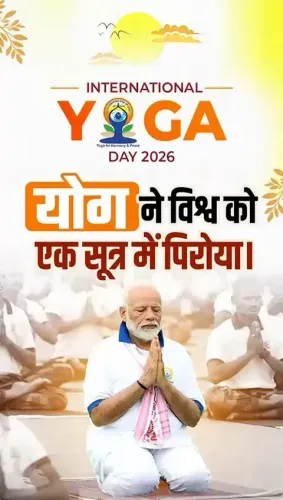
Pradhan called yoga 'India's invaluable heritage' and a foundation for 'healthy, balanced and disciplined life.' The meeting follows the 11th International Yoga Day on June 21, 2026 , observed globally at India's initiative.
UN General Assembly declared June 21 as International Yoga Day in 2014 on India's proposal.
The National Education Policy 2020 creates policy space for structured yoga in school curricula.
Growing youth and student engagement with yoga is being positioned as a pillar of the government's Swasth Bharat agenda.
Union Education Minister Dharmendra Pradhan met yoga guru Baba Ramdev on Monday, July 6, 2026, and reaffirmed the government's commitment to spreading yoga among students and youth as a foundation for a healthier India. Pradhan described the meeting as warm and emphasised yoga's role as an irreplaceable part of India's cultural heritage.
Posting on X in Hindi, Pradhan wrote: 'आज योगऋषि रामदेव जी से आत्मीय भेंट हुई' ('Today I had a warm meeting with Yoga Guru Ramdev'). He called yoga 'India's invaluable heritage' and the foundation of a 'healthy, balanced and disciplined life', pointing to growing awareness among youth and students as a 'strong foundation for building a Healthy India.'
Context
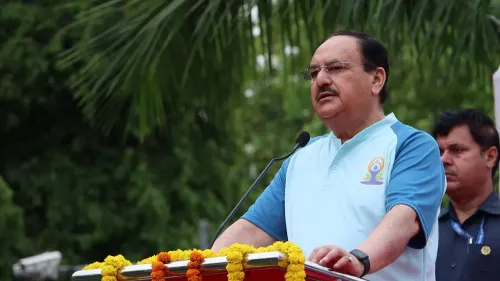
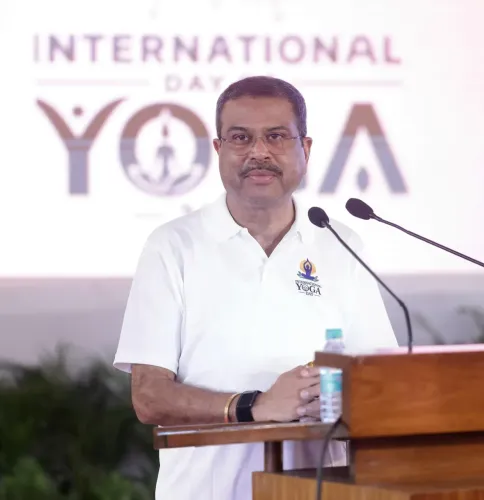
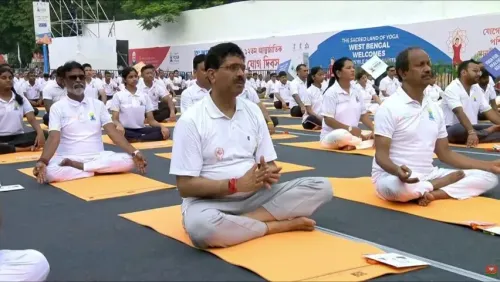
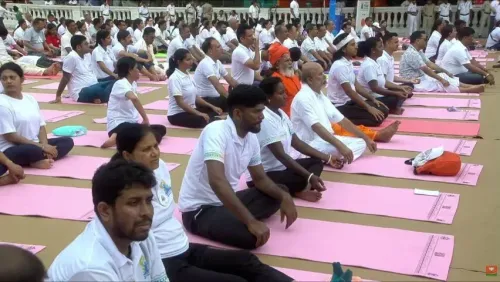
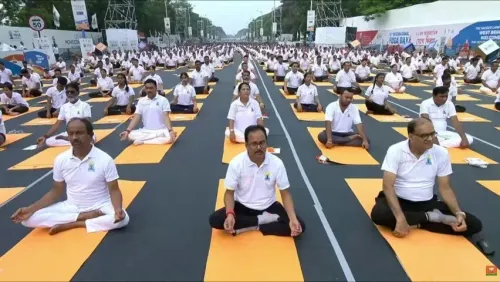
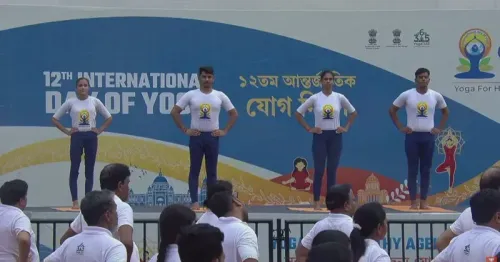
The meeting comes shortly after the 11th International Yoga Day observed on June 21, 2026, which saw mass participation events organised across India and abroad by the Ministry of AYUSH. Baba Ramdev, founder of Patanjali Ayurved, has been among the most prominent popularisers of yoga in India and internationally, drawing millions to public yoga camps over two decades.
Pradhan's engagement with Ramdev signals continued coordination between the Education Ministry and wellness advocates on embedding yoga deeper into school and college life — a priority that has gained institutional momentum since 2015, when India first observed International Yoga Day following a UN General Assembly resolution in 2014.
Policy Backdrop
India's proposal to the UN in 2014 resulted in June 21 being declared International Yoga Day, making yoga a formal instrument of both domestic public health policy and global soft power. The Ministry of AYUSH has since institutionalised a Common Yoga Protocol and organised annual mass events to ensure structured, consistent outreach.
The National Education Policy (NEP) 2020 explicitly encourages physical and mental well-being, creating a policy opening for structured yoga modules in school curricula. Pradhan, as Education Minister, sits at the intersection of these two streams — cultural heritage and educational reform — making his meeting with Ramdev more than ceremonial.
Stakeholders and Impact
Students and youth are the primary audience Pradhan highlighted. With India's school-going population exceeding 25 crore, even incremental integration of yoga into daily school routines could have large-scale public health implications. Ramdev's Patanjali network and its outreach infrastructure make him a natural partner for any mass-awareness campaign targeting younger demographics.
State governments, school boards, and university administrations would be key implementation partners if the Education Ministry moves toward formalising yoga in academic calendars ahead of the June 2027 International Yoga Day cycle.
What's Next
Observers will watch for any formal announcements on incorporating structured yoga sessions into NEP implementation guidelines or state-level school timetables. The July meeting could be a precursor to a coordinated campaign between the Education Ministry and yoga institutions ahead of the next annual observance cycle. Pradhan's framing of growing youth awareness as the bedrock of 'Swasth Bharat' ('Healthy India') suggests the government intends to keep yoga central to both its education and wellness narratives.
Point of View
Pradhan is aligning the Education Ministry's agenda with the broader 'Swasth Bharat' narrative that successive BJP-led governments have cultivated since 2014. The timing — just weeks after International Yoga Day — suggests a sustained policy rhythm rather than a one-off gesture. If this translates into NEP implementation guidelines, it would mark one of the more concrete intersections of India's soft-power diplomacy and domestic educational reform.
NationPress
6 Jul 2026
Frequently Asked Questions
Why did Dharmendra Pradhan meet Ramdev in July 2026?
Pradhan met Baba Ramdev on July 6, 2026, for a discussion on promoting yoga among India's youth and students, framing it as central to the government's Healthy India vision.
What is International Yoga Day and who started it?
International Yoga Day is observed every year on June 21. It was established by the UN General Assembly in 2014 following a proposal by India, and has been marked with mass events since 2015.
Is yoga part of India's school curriculum under NEP 2020?
The National Education Policy 2020 encourages physical and mental well-being in schools, creating policy space for yoga integration, though formal mandatory modules depend on state-level implementation.
What is Ramdev's role in promoting yoga in India?
Baba Ramdev, founder of Patanjali Ayurved, has been one of India's most prominent yoga popularisers, conducting mass yoga camps and wellness programmes that have reached millions across the country.
What is the Common Yoga Protocol?
The Common Yoga Protocol is a standardised set of yoga practices introduced by the Ministry of AYUSH from 2015 onward to ensure consistent yoga instruction during International Yoga Day events and beyond.