President Murmu Flags Off Nashik Simhastha Kumbh 2027
Synopsis
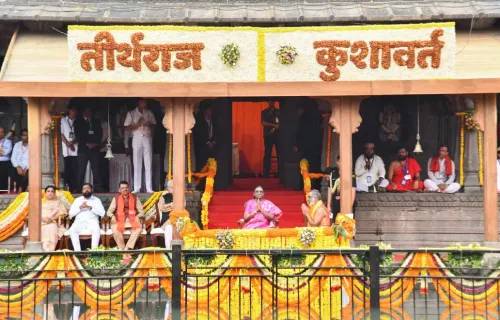
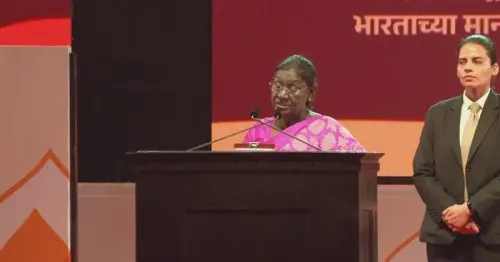
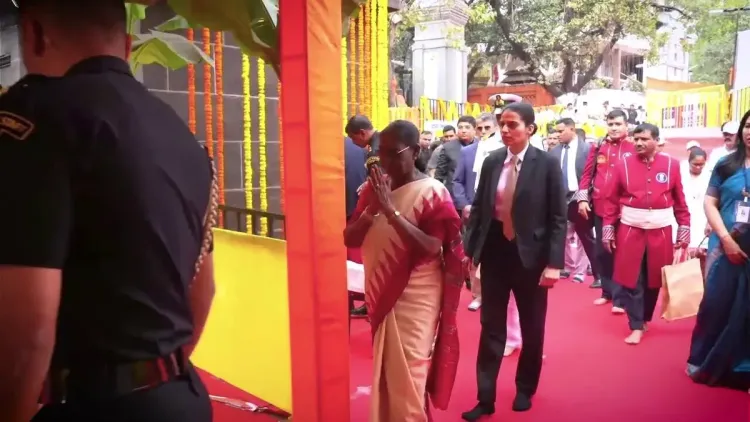
President Droupadi Murmu performed the Dwajasthambha puja and hoisted the Dharmdhwaj at Ramkund, Nashik on 31 October 2026, formally inaugurating the Nashik-Trimbakeshwar Simhastha Mahakumbh Mela 2027. Governor Jishnu Dev Varma, Deputy CMs Eknath Shinde and Sunetra Ajit Pawar, Minister Girish Mahajan, and saints from various akharas were present.
Key Takeaways
President Droupadi Murmu performed the Dwajasthambha puja and hoisted the Dharmdhwaj at Ramkund, Nashik on 31 October 2026 .
The ceremony officially marks the commencement of the Nashik-Trimbakeshwar Simhastha Mahakumbh Mela 2027 .
Governor Jishnu Dev Varma , DCM Eknath Shinde , DCM Sunetra Ajit Pawar , and Minister Girish Mahajan were among the dignitaries present.
Saints and mahants from various akharas participated, lending religious authority to the inauguration.
The Nashik-Trimbakeshwar Simhastha is held every 12 years ; the previous edition was in 2015 .
The NTKMA (Nashik-Trimbakeshwar Kumbh Mela Authority) now has a formal launchpoint to drive infrastructure and logistics planning.
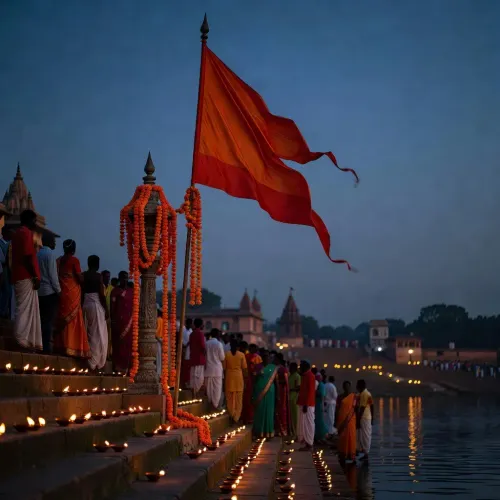
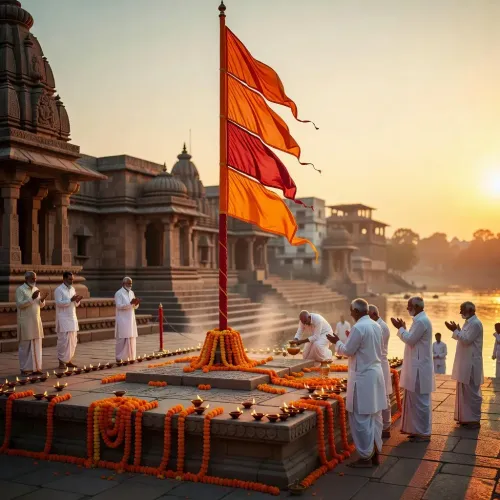
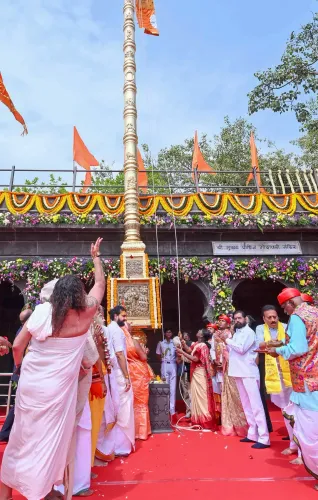
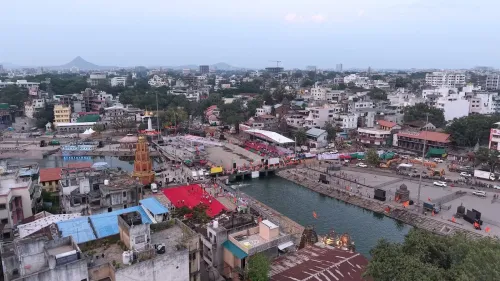
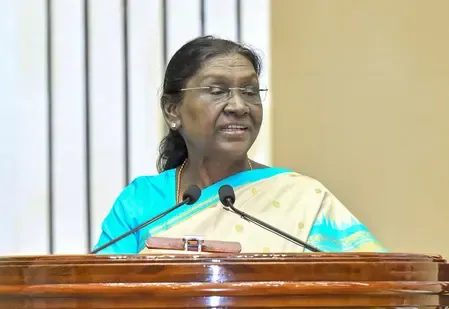
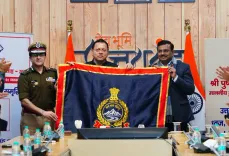
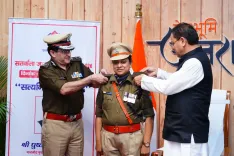
At the sacred banks of Ramkund in Nashik, President Droupadi Murmu performed the puja of the Dwajasthambha and Pavitra Dhwaja before hoisting the Dharmdhwaj on 31 October 2026 — formally commencing the countdown to the Nashik-Trimbakeshwar Simhastha Mahakumbh Mela 2027. The ceremonial flag-raising, conducted in the presence of Maharashtra Governor Jishnu Dev Varma, marks the official launch of one of Hinduism's most revered cyclical pilgrimages.
A 12-Year Cycle Returns to the Godavari
The Nashik-Trimbakeshwar Simhastha Kumbh Mela is held once every 12 years, when Jupiter transits into Leo — a celestial alignment that draws tens of millions of pilgrims to the banks of the Godavari river. The last edition was held in 2015, and the 2027 gathering will be only the second in the 21st century. For Nashik and the twin pilgrimage town of Trimbakeshwar, it is the single largest event in a generation — logistically, spiritually, and economically.
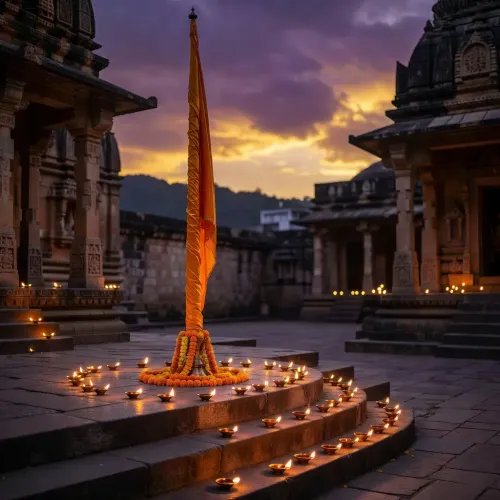
The Dwajasthambha puja and Dharmdhwaj hoisting are not mere ceremonial openers. In the Kumbh tradition, the flag-raising by akharas signals the formal beginning of the mela cycle, inviting saints, mahants, and lay pilgrims to begin preparations for the shahi snan (royal bath) dates that will draw the largest crowds.
Who Stood at Ramkund on Saturday
The ceremony brought together a rare convergence of constitutional, political, and spiritual authority. Deputy Chief Minister Eknath Shinde — who previously served as Chief Minister before the current administration — and Deputy Chief Minister Sunetra Ajit Pawar represented the state government alongside Minister Girish Mahajan, who has historically overseen Kumbh-related coordination portfolios in Maharashtra. Sant-mahants from various akharas — the monastic orders whose procession rights and bathing schedules define the Kumbh calendar — were also present, lending the event its religious legitimacy.
President Murmu's participation carries particular symbolic weight. As India's first President from a tribal community, her presence at one of mainstream Hinduism's grandest rituals underscores the constitutional office's role as a unifying institution across India's diverse traditions.
What the State Must Deliver Before 2027
The 2015 Nashik Simhastha drew an estimated 75 million pilgrims over its duration, straining riverfront infrastructure, transport links, and sanitation systems. Maharashtra has historically used the inter-Kumbh decade to upgrade ghats, expand road and rail connectivity to Nashik, and build temporary township facilities for akharas. With just under a year remaining, state planners — operating under the NTKMA (Nashik-Trimbakeshwar Kumbh Mela Authority) — now have a formal start date anchored by the President's flag-hoisting to drive infrastructure timelines.
The scale of preparation required — crowd management, river water quality, medical camps, digital ticketing for parking and accommodation — means today's ceremony is less an ending than a starting gun for an enormous administrative sprint.
India's grandest pilgrimage cycle has been formally set in motion. The Godavari is waiting.
Point of View
Anchoring the launch with the President's presence also sets a high-visibility accountability clock: infrastructure promises made in 2026 will be measured against ground reality in 2027. The presence of both Deputy Chief Ministers signals that Kumbh coordination is being treated as a coalition priority rather than a single-ministry affair, which could smooth — or complicate — administrative decision-making as the mela date approaches.
NationPress
1 Nov 2026
Frequently Asked Questions
When is the Nashik Trimbakeshwar Simhastha Kumbh Mela 2027?
The Nashik-Trimbakeshwar Simhastha Mahakumbh Mela 2027 was formally inaugurated on 31 October 2026 by President Droupadi Murmu. The main mela is scheduled to be held in 2027; specific bathing dates will be announced by the Nashik-Trimbakeshwar Kumbh Mela Authority (NTKMA).
Who inaugurated the Nashik Kumbh Mela 2027?
President of India Smt. Droupadi Murmu inaugurated the Nashik-Trimbakeshwar Simhastha Mahakumbh Mela 2027 by performing the Dwajasthambha puja and hoisting the Dharmdhwaj at Ramkund, Nashik, on 31 October 2026.
How often is the Nashik Simhastha Kumbh Mela held?
The Nashik-Trimbakeshwar Simhastha Kumbh Mela is held once every 12 years, when Jupiter transits into the Leo zodiac sign. The previous edition was held in 2015.
What is the Dharmdhwaj hoisting ceremony at Kumbh Mela?
The Dharmdhwaj hoisting — or Dharmdhwjarohan — is a traditional ritual that formally signals the commencement of a Kumbh Mela cycle. The flag is raised at the Dwajasthambha (flagpole) after a puja, inviting akharas and pilgrims to begin preparations for the main mela events.
Which officials attended the Nashik Kumbh 2027 inauguration?
Maharashtra Governor Jishnu Dev Varma, Deputy Chief Minister Eknath Shinde, Deputy Chief Minister Sunetra Ajit Pawar, Minister Girish Mahajan, and saints and mahants from various akharas attended the inauguration ceremony at Ramkund, Nashik.