Tenkasi private school teachers allege salary fraud, seek TN govt action
Synopsis
Private school teachers in Tenkasi have exposed a structured payroll fraud: managements reportedly credit inflated salaries into teacher bank accounts only to withdraw the money using pre-signed cheques, then pay the actual amount in cash — creating false compliance records. With teachers too afraid to file formal complaints and the education department saying it cannot act without written evidence, the exploitation has reportedly continued for years.
Key Takeaways
Teachers in Tenkasi district , Tamil Nadu allege private school managements are reporting inflated salaries to authorities while paying staff only ₹7,000–₹12,000 per month in cash.
A school in Pavoorchatram allegedly credits ₹30,000 into teacher accounts before withdrawing it via pre-signed cheques, creating false payroll compliance records.
A teacher at an Alangulam -based school said the management paid ₹8,000 in cash monthly and did not open bank accounts for staff at all.
Teachers report workdays of up to 10 hours , minimal leave, pay cuts for minor tardiness, and pressure on women to resign after marriage.
Chief Educational Officer Renuga said the department cannot act without formal written complaints — which teachers are reluctant to file for fear of losing their jobs.
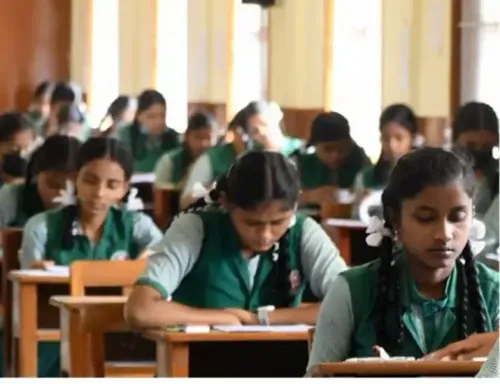
Teachers employed in private schools across Tenkasi district in Tamil Nadu have appealed to the state government to intervene and ensure they receive their rightful wages, alleging that several school managements are systematically falsifying payroll records — reporting inflated salaries to authorities while paying staff only a fraction of the declared amount. The complaints, surfacing from nursery, matriculation, and CBSE schools across the district, point to what teachers describe as a structured and long-running exploitation of the workforce.
The Payroll Fraud Mechanism
The most detailed allegation concerns a private matriculation school in Pavoorchatram, where teachers say a particularly calculated method of wage theft is in operation. According to affected staff, newly recruited teachers are told at the time of joining that their actual take-home salary will be between ₹7,000 and ₹12,000 per month.
On payday, however, the school reportedly credits approximately ₹30,000 into each teacher's bank account — accounts opened at a private-sector bank — before immediately withdrawing the full amount using pre-signed cheques collected from teachers when those accounts were set up. The teachers are then handed only the originally promised amount in cash. The inflated bank transaction, teachers allege, is used to fabricate records showing compliance with prescribed pay norms.
Conditions Across the District
Similar complaints have emerged from other private schools in Tenkasi. A teacher from an Alangulam-based institution said the management paid roughly ₹8,000 in cash each month and did not even open bank accounts for employees — leaving no formal payment trail whatsoever.
Because teachers have no access to salary records submitted to the government, many remain unaware of what amounts are officially declared as being paid to them. This information asymmetry, critics argue, is central to how the exploitation persists.
Working Conditions and Fear of Retaliation
Beyond underpayment, teachers described a range of harsh working conditions: shifts stretching up to 10 hours, minimal leave entitlements, salary deductions for even minor delays in reporting for duty, and what they characterised as indirect pressure on women teachers to resign after marriage.
Many teachers admitted they were reluctant to file formal complaints, citing fear of job loss. This reluctance, observers note, has historically shielded private school managements from accountability — a pattern that appears to have persisted for years in the district.
What the Education Department Said
Tenkasi Chief Educational Officer Renuga confirmed to reporters that the School Education Department cannot initiate action unless affected teachers submit written complaints with evidence. She acknowledged that allegations of salary underpayment in private schools had been circulating for years, but noted that no teacher had formally come forward with documented proof until now.
The statement underscores a structural gap: the very fear that prevents teachers from complaining also prevents the department from acting. Teachers have now urged the Tamil Nadu government to introduce strict regulatory guidelines governing salary payments in private schools and to establish a mechanism that allows complaints to be filed without risk of victimisation.
What Comes Next
With the issue now in the public domain, pressure is likely to mount on the Tamil Nadu government and the School Education Department to conduct independent audits of payroll records in private schools. Whether the state will move proactively — or wait for formal written complaints — will determine how quickly, if at all, relief reaches the affected teachers.
Point of View
Not improvised by a single rogue management. The education department's position — that it needs written complaints before it can act — is procedurally defensible but practically hollow when the complainants face immediate job loss for speaking up. Tamil Nadu has the administrative capacity to conduct surprise payroll audits cross-referencing bank transaction data with declared salary registers; the question is whether there is political will to do so. Until then, the burden of proof rests entirely with the most vulnerable party in the transaction.
NationPress
28 Jun 2026
Frequently Asked Questions
What salary fraud are Tenkasi private school teachers alleging?
Teachers allege that school managements report inflated salaries to government authorities while paying staff only ₹7,000–₹12,000 per month in cash. In one documented case in Pavoorchatram, a school reportedly credits ₹30,000 into teacher accounts before immediately withdrawing it using pre-signed cheques, then hands over only the lower promised amount in cash.
Which schools are involved in the Tenkasi salary fraud allegations?
Complaints have come from nursery, matriculation, and CBSE schools across Tenkasi district. A private matriculation school in Pavoorchatram has been cited for the most detailed alleged fraud. An Alangulam-based school has also been named, where teachers reportedly receive ₹8,000 in cash monthly with no bank accounts opened for them.
Why have teachers not filed formal complaints earlier?
Teachers say they fear losing their jobs if they complain against school managements. This fear of retaliation has reportedly allowed the exploitation to continue for years without formal action by the School Education Department.
What has the Tamil Nadu education department said about the allegations?
Tenkasi Chief Educational Officer Renuga stated that the School Education Department cannot initiate action unless affected teachers submit written complaints supported by evidence. She acknowledged the allegations have been heard for years but said no teacher had come forward with formal documentation previously.
What are teachers demanding from the Tamil Nadu government?
Teachers are urging the Tamil Nadu government to introduce strict regulatory guidelines for salary payments in private schools, ensure transparent payroll reporting, and create a mechanism that allows complaints to be filed without risk of victimisation or job loss.