Is the Pune land deal a symptom of corruption in Maharashtra?
Synopsis
The recent land deal controversy in Pune has ignited fierce criticism from the Shiv Sena (UBT), raising concerns over political corruption in Maharashtra. With implications that shake the foundation of governance, this issue has repercussions that extend beyond the Pawar family, affecting the essence of trust within the state. A must-read for every concerned citizen!
Key Takeaways
Corruption in Maharashtra is a growing concern.
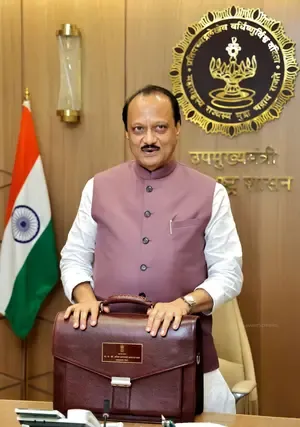
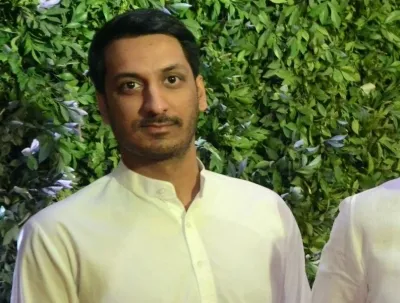
The Pune land deal involved Deputy CM Ajit Pawar’s son, Parth Pawar .
The deal was cancelled amid public outcry.
There are allegations of favoritism and lack of accountability.
The situation calls for a reassessment of political ethics.
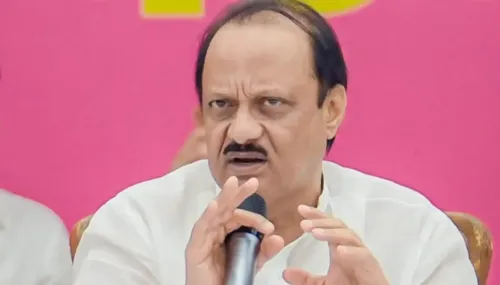
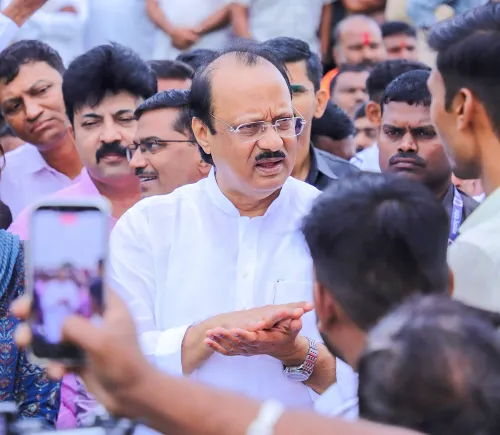
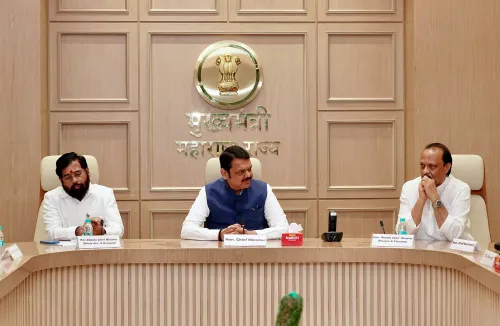
Mumbai, Nov 10 (NationPress) The Shiv Sena (UBT) has asserted that the dignity of every 'Marathi Manoos' has been compromised following the revelation of a high-stakes land transaction in Pune's affluent Mundhwa-Koregaon Park, which involved Deputy Chief Minister Ajit Pawar’s son, Parth Pawar. This deal was swiftly nullified.
The party’s mouthpiece, 'Saamana', remarked, "What is frustrating is that the Fadnavis government granted a 'clean chit' to Parth Pawar, even though no FIR was lodged against him, despite his 99 percent ownership of Amedea Enterprises LLP. In contrast, an FIR was filed against his cousin, Digvijay Patil, who holds just a 1 percent stake and is a signatory to the sale deed. No one seems to check the actions of Chief Minister Fadnavis in granting this clean chit. It sends a perilous message that returning stolen goods absolves one of their crimes. Consider the implications if a person, in a fit of rage, assaulted a corrupt individual only to return the weapon after police intervention; would that absolve them?”
The Thackeray faction continued, stating that if returning the land erases the crime, it opens the floodgates for criminals to evade accountability for their actions. “This indicates that Maharashtra no longer operates under the rule of law. The current situation in the state is alarming and deserves attention. The issue transcends Parth Pawar; it highlights the broader issue of how Maharashtra is being exploited. There are three ministers eyeing strategic plots of land. A deputy chief minister attempted to hand over the Mundhwa land to a favored builder from Thane, but Parth Pawar halted the transaction for Rs 300 crore in the spirit of 'Pune Hamara Ilakha Hai' (Pune is our territory). This reflects a battle among the corrupt, brought to light by Parth Pawar’s land deal.
The editorial further alleged, "A land scam in Pune previously surfaced but was quickly buried. Sanjay Shirsat, a Shiv Sena Minister, facilitated the transfer of 5,000 acres of forest land in the Raigad district to an individual named Bivalkar. No action has been taken on that front either. The Fadnavis administration has initiated a land donation program from Mumbai to Chandrapur for select individuals, and now Parth Pawar’s transaction has been added to this dubious list. The son follows in the father's footsteps,” it claimed, emphasizing that these instances reveal the insatiable appetite of Maharashtra’s politicians for land.
The Saamana editorial stated that the controversy surrounding the Pune land deal coincides with reports indicating that Maharashtra has ranked highest in corruption for the third consecutive year. "This must have disheartened the entire Marathi Manoos. The motivations behind the formation of Maharashtra were fundamentally different, yet today, it feels as if those principles are being dismantled. There was a time when Maharashtra's Chief Ministers were recognized among the top five in the nation for their commendable actions. Today, however, the state has become synonymous with corruption and land grabbing, especially following the exposure of Parth Pawar’s land deal in Pune,” it alleged.
The Uddhav Thackeray-led Shiv Sena criticized Deputy CM Ajit Pawar for his claim that he would not tolerate illegal activities. “Parth is a hardworking, diligent, and law-abiding individual. Is it his fault that his father serves as the Deputy Chief Minister? His father upholds the law in front of the public. Shouldn't Parth Pawar be mindful of his father’s principles while engaging in a questionable land deal, especially when his father warns, 'I will not tolerate any wrongdoing?'” they derided.
The editorial also cast doubt on Dy CM Ajit Pawar’s assertion that he was unaware of the land deal, stating, “I learned about it, but I have already instructed you not to engage in any illicit activities.”
“Despite such warnings, Parth Pawar and his company proceeded with the transaction and secured the land registration. Curiously, the stamp duty was minimized to a mere Rs 500 for this multi-crore deal. How does Parth Pawar reconcile purchasing land valued at Rs 1,800 crore for just Rs 300 crore? Is there a rift within the family living under the same roof? If Ajit Pawar claims ignorance of his son’s actions, then where did Parth obtain Rs 300 crore?” the editorial questioned.
Point of View
The unfolding controversy surrounding the Pune land deal highlights systemic issues of corruption within Maharashtra's political framework. The allegations against prominent leaders, including Deputy Chief Minister Ajit Pawar, emphasize the urgent need for accountability and transparency. This situation serves as a critical reminder of the importance of ethical governance and the necessity for citizens to remain vigilant in demanding integrity from their elected officials.
NationPress
20 Sept 2026
Frequently Asked Questions
What is the Pune land deal controversy about?
The Pune land deal controversy centers around a high-value transaction involving Deputy Chief Minister Ajit Pawar’s son, Parth Pawar, which has been criticized for alleged corruption and favoritism.
Why was the land deal cancelled?
The deal was cancelled following public outrage and accusations of corruption, particularly due to concerns regarding Parth Pawar’s involvement and the government's response.
What are the implications of this controversy?
The controversy raises significant concerns about political corruption in Maharashtra, questioning the integrity of governance and the rule of law in the state.
How does this relate to the broader issues in Maharashtra?
This incident reflects a pattern of corruption and favoritism within the political landscape of Maharashtra, indicating a need for reform and accountability.
What is the response from the Shiv Sena (UBT)?
The Shiv Sena (UBT) has voiced strong criticism regarding the deal, highlighting the erosion of trust in governance and the need for ethical leadership.