Pune rape-murder: Bhimrao Kamble, 65, gets death sentence for killing 3-year-old
Synopsis
A Pune sessions court sentenced 65-year-old Bhimrao Kamble to death for the rape and murder of a three-year-old girl in Nasrapur — delivering the verdict within just two months of the crime. The court cited a prior sexual assault case against Kamble and his complete lack of remorse, classifying it as a 'rarest of rare' case. The speed of the trial is as notable as the sentence itself.
Key Takeaways
Bhimrao Kamble , 65, was awarded the death sentence by Pune District and Sessions Court Judge S.R.
Salunkhe on 29 June 2025 .
Kamble was convicted for the rape and murder of a three-year-old girl in Nasrapur, Pune on 1 May 2025 .
The court classified the case as 'rarest of rare' , citing brutality, a prior sexual assault record, and absence of remorse.
Police filed the charge sheet within 15 days ; the verdict came within two months of the crime — an unusually swift timeline.
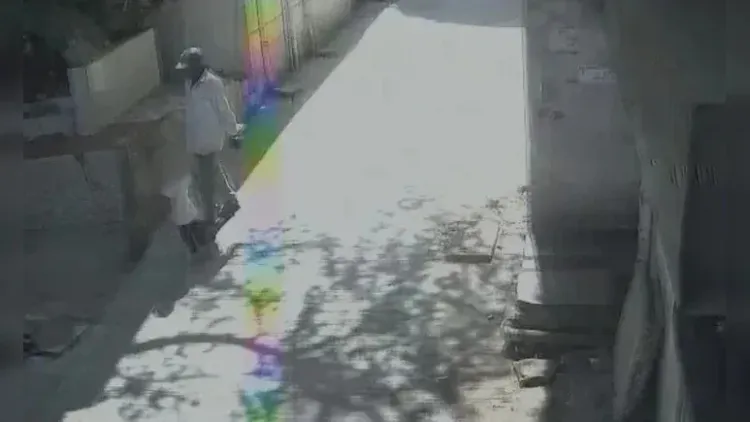
CCTV footage showing Kamble leading the child away was key evidence in securing the conviction.
The death sentence will now be referred to the Bombay High Court for mandatory confirmation.
A sessions court in Pune on Monday, 29 June awarded the death penalty to Bhimrao Kamble, 65, for the rape and murder of a three-year-old girl in Nasrapur, Pune district. Pune District and Sessions Court Judge S.R. Salunkhe pronounced the capital punishment, ruling the case falls within the 'rarest of rare' category as defined by the Supreme Court of India. The verdict came within two months of the crime, which occurred on 1 May 2025.
The Court's Findings
The prosecution cited 12 Supreme Court judgments in its arguments to establish that the crime warranted the death penalty. Judge Salunkhe, while convicting Kamble, observed that the accused 'does not deserve any leniency or a lighter sentence', citing the nature and brutality of the crime. The court further noted that injuries found on the victim's body were sufficient to establish the severity of the act.
The court also took into account a previous sexual assault case against Kamble, concluding that he was aware of the law yet showed no remorse throughout the trial — factors that weighed heavily in the sentencing decision.
The Crime: What Happened on 1 May
The incident took place in the Bhor Taluka region of Pune district. The three-year-old girl went missing in the afternoon, prompting a frantic search by her family. Her body was subsequently discovered — mutilated and bloodied. According to investigators, Kamble allegedly killed the child by crushing her with a stone after sexually assaulting her.
CCTV footage from the area captured Kamble leading the toddler away, which enabled police to identify and detain him swiftly. The footage proved critical in establishing the chain of events.
Swift Legal Proceedings
The case moved through the justice system at an unusually rapid pace. Police filed the charge sheet within 15 days of the incident. Charges were formally framed on 28 May, and final arguments concluded on 21 June — a timeline that stands in contrast to the years-long delays that typically characterise such cases in Indian courts.
Notably, this is among the faster rape-murder convictions in Maharashtra in recent years, and legal observers say the speed of the trial reflects both the strength of the evidence and judicial prioritisation of crimes against children.
Broader Context and Impact
The Nasrapur case has drawn attention to the persistent vulnerability of young children in semi-rural pockets of Maharashtra. Crimes against children under the Protection of Children from Sexual Offences (POCSO) Act have seen rising case registrations nationally, though conviction rates remain a concern. The death sentence in this case is likely to reignite debate over the deterrent effect of capital punishment in crimes against minors.
With the sentencing now complete, the case will automatically be referred to the Bombay High Court for confirmation of the death sentence, as required under Indian law. Kamble also retains the right to appeal.
Point of View
Yet rural Maharashtra's surveillance infrastructure remains patchy. Without it, Kamble may never have been identified. The sentence is just; the conditions that made the crime possible deserve equal scrutiny.
NationPress
27 Sept 2026
Frequently Asked Questions
Who is Bhimrao Kamble and what was he convicted for?
Bhimrao Kamble is a 65-year-old man from Pune district convicted for the rape and murder of a three-year-old girl in Nasrapur, Pune, on 1 May 2025. Pune District and Sessions Court Judge S.R. Salunkhe sentenced him to death on 29 June 2025.
Why did the court classify this as a 'rarest of rare' case?
The court cited the extreme brutality of the crime, injuries on the victim's body, a prior sexual assault case against Kamble, and his complete lack of remorse during trial. The prosecution supported its argument with 12 Supreme Court judgments on the 'rarest of rare' doctrine.
How quickly was the case resolved?
The case was resolved within two months of the crime. Police filed the charge sheet within 15 days of the 1 May incident, charges were framed on 28 May, final arguments concluded on 21 June, and the death sentence was pronounced on 29 June 2025.
What happens next after the death sentence is pronounced?
Under Indian law, a death sentence pronounced by a sessions court must be confirmed by the High Court — in this case, the Bombay High Court. Kamble also retains the right to appeal the conviction and sentence.
How was Bhimrao Kamble identified by police?
CCTV footage from the Nasrapur area captured Kamble leading the three-year-old girl away on the afternoon of 1 May. This footage was instrumental in identifying and detaining him, and formed a key part of the prosecution's evidence.