Pune toddler rape-murder: Death penalty in 59 days, Maha CM Fadnavis hails verdict

Synopsis
A Maharashtra fast-track court delivered a triple death sentence for the rape and murder of a three-and-a-half-year-old girl in just 59 days — from crime to capital punishment. CM Fadnavis called it a 'groundbreaking precedent,' and the case now stands as one of India's fastest resolutions of a child sexual assault case under the POCSO framework.
Key Takeaways
Bhimrao Prabhakar Kamble , 65 , was awarded a triple death sentence on 29 June for the rape and murder of a 3.5-year-old girl in Nasrapur, Bhor taluka, Pune .
The crime occurred on 1 May (Maharashtra Day); conviction came on 25 June — just 55 days later — with sentencing on 29 June , totalling 59 days from offence to death sentence.
Special Judge S R Salunkhe cancelled personal leave to ensure uninterrupted hearings; 55 witnesses were examined in 29 days .
Maharashtra CM Devendra Fadnavis praised Pune Rural SP Sandip Singh Gill and his team for airtight evidence collection that made the capital sentence possible.
Special Public Prosecutor Ajay Misar cited 12 Supreme Court judgments to classify the crime as 'rarest of rare.' The death sentence is subject to mandatory confirmation by the Bombay High Court under Indian law.
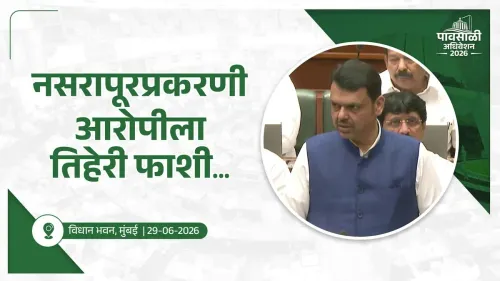
Maharashtra Chief Minister Devendra Fadnavis on Monday, 29 June praised the state police and judiciary after a special fast-track court awarded a triple death sentence to Bhimrao Prabhakar Kamble, 65, for the sexual assault and murder of a three-and-a-half-year-old girl in Nasrapur, Bhor taluka, Pune district. The conviction was secured in just 55 days from the date of the crime, with the final sentence handed down on 29 June — a timeline Fadnavis described as a 'groundbreaking precedent.'
The Crime and Swift Conviction
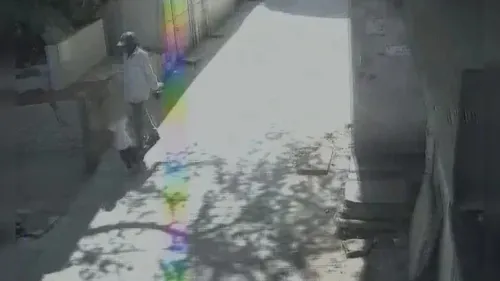
The offence took place on Maharashtra Day, 1 May, when the toddler was brutally assaulted and killed in Nasrapur. Special Judge S R Salunkhe of the fast-track court pronounced Kamble guilty on 25 June — exactly 55 days after the crime — after examining 55 witnesses in a compressed span of 29 days. The final sentence of death was reserved after conviction and formally awarded on 29 June, bringing the entire process from crime to capital punishment within 59 days.
What Fadnavis Said in the Assembly
Addressing the state assembly, Fadnavis stated that Justice S R Salunkhe had cancelled personal leave to ensure uninterrupted hearings. 'If we want to deter such monsters and instil absolute fear of the law, timely justice is paramount,' the Chief Minister said, adding that the judiciary had set a precedent the country could look to. He also extended special thanks to the special fast-track court for its role in the outcome.
Fadnavis acknowledged that no verdict could erase the grief of the victim's family, but expressed hope that a triple death sentence delivered within 59 days might offer them some measure of solace. He reiterated the state's zero-tolerance policy against crimes targeting women and children.
Police Role: Airtight Evidence
The Chief Minister specifically commended Pune Rural Superintendent of Police Sandip Singh Gill and his team for what he called meticulous evidence collection. Fadnavis noted that securing a death sentence requires the prosecution's case to be proved beyond reasonable doubt, and that the quality of evidence presented by the police made capital punishment possible.
Prosecution's Arguments
Special Public Prosecutor Ajay Misar argued that the crime fell in the category of 'rarest of rare,' citing 12 landmark Supreme Court of India judgments to press for the death penalty. He contended that strict laws protecting women and minors exist, yet such crimes persist — making a severe deterrent essential. The defence was represented by Advocate Himmatrao Suryavanshi.
Significance of the Verdict
This case is notable not only for the severity of the punishment but for the speed at which the criminal justice system moved. Fast-track courts were established precisely to address cases involving sexual violence against children under the Protection of Children from Sexual Offences (POCSO) Act, yet delays remain common across the country. This verdict, according to Fadnavis, demonstrates that the system can deliver justice within weeks when all arms — police, prosecution, and judiciary — work in coordination. The case is widely expected to face further scrutiny as the death sentence will be subject to confirmation by the Bombay High Court, as is mandatory under Indian law.
Point of View
Yet pendency in many states remains in the thousands. The Nasrapur case succeeded because a judge cancelled leave, police built an airtight file, and a seasoned prosecutor marshalled Supreme Court precedent effectively. Without systemic resourcing — more judges, better forensics, trained public prosecutors — this verdict risks being celebrated as an outlier rather than used as a blueprint. The mandatory Bombay High Court confirmation will also be watched closely, as appellate courts have in the past modified sentences where procedural gaps emerged.
NationPress
28 Sept 2026
Frequently Asked Questions
Who was convicted in the Nasrapur Pune toddler rape-murder case?
Bhimrao Prabhakar Kamble, a 65-year-old man from Nasrapur in Bhor taluka, Pune district, was convicted and sentenced to death for the sexual assault and murder of a three-and-a-half-year-old girl. The crime took place on 1 May and the death sentence was awarded on 29 June.
How quickly was the death sentence delivered in the Pune toddler case?
The entire process — from the date of the crime on 1 May to the death sentence on 29 June — was completed in 59 days. Conviction was pronounced on 25 June, just 55 days after the offence, after 55 witnesses were examined in 29 days by the special fast-track court.
What did Maharashtra CM Devendra Fadnavis say about the verdict?
CM Fadnavis described the verdict as a 'groundbreaking precedent,' saying timely justice is paramount to deter such crimes. He praised Special Judge S R Salunkhe for cancelling personal leave to ensure continuous hearings, and commended Pune Rural SP Sandip Singh Gill for meticulous evidence collection.
What happens next after the death sentence in this case?
Under Indian law, any death sentence awarded by a sessions or special court must be confirmed by the relevant High Court before it can be executed. In this case, the sentence will be reviewed by the Bombay High Court. The accused also retains the right to appeal.
Why was this case classified as 'rarest of rare'?
Special Public Prosecutor Ajay Misar argued before the court that the brutal sexual assault and murder of a three-and-a-half-year-old child shocks the conscience of society and meets the 'rarest of rare' threshold established by the Supreme Court for awarding capital punishment. He supported his argument with references to 12 landmark Supreme Court judgments.