Punjab AGTF Nabs Five Gangsters, Seizes 11 Pistols After Afridi Deportation
Synopsis
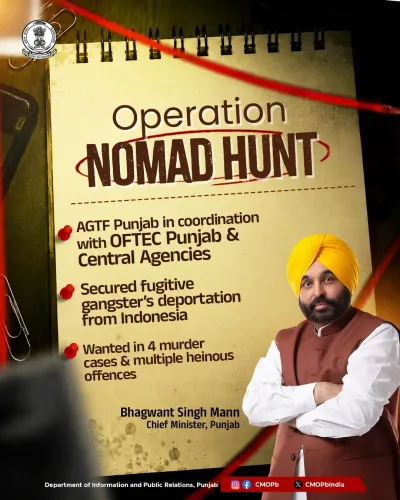
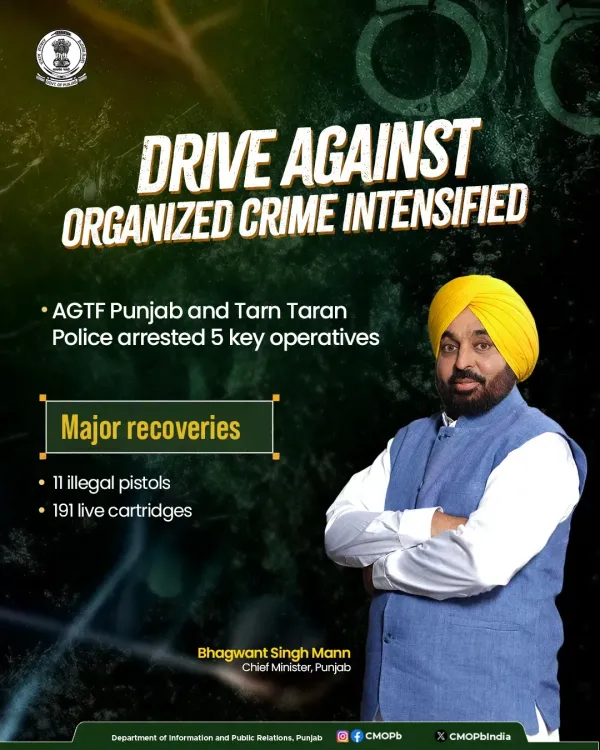
Punjab's Anti-Gangster Task Force, in a joint operation with Tarn Taran Police, arrested five operatives of an organised criminal network and recovered 11 illegal pistols and 191 live cartridges — a follow-up to wanted gangster Gurwinder Singh alias Afridi's deportation from Ethiopia under CM Bhagwant Mann's anti-crime drive.
Key Takeaways
Five key operatives of an organised criminal network were arrested in a joint operation by AGTF Punjab and Tarn Taran Police on 16 November 2026 .
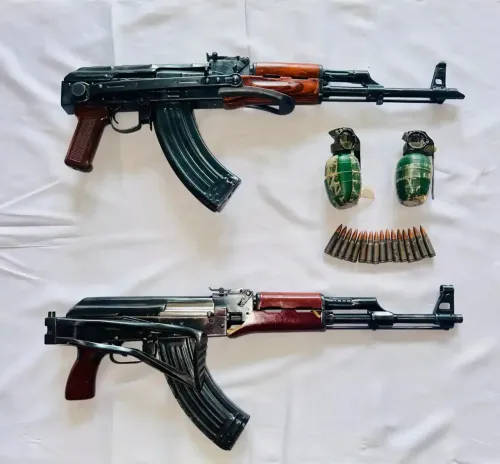
11 illegal pistols and 191 live cartridges were recovered from the arrested individuals.
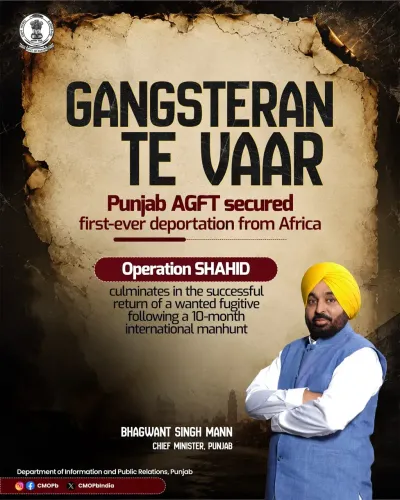
The operation is a direct follow-up to the deportation of wanted gangster Gurwinder Singh alias Afridi from Ethiopia .
The crackdown is part of a state-wide anti-organised crime drive ordered by Chief Minister Bhagwant Singh Mann , who took office in 2022 .
The Anti-Gangster Task Force (AGTF) was specifically created to target cross-jurisdictional criminal syndicates in Punjab.
Tarn Taran , a border district, has been a recurring site of arms-related enforcement action given its strategic location.
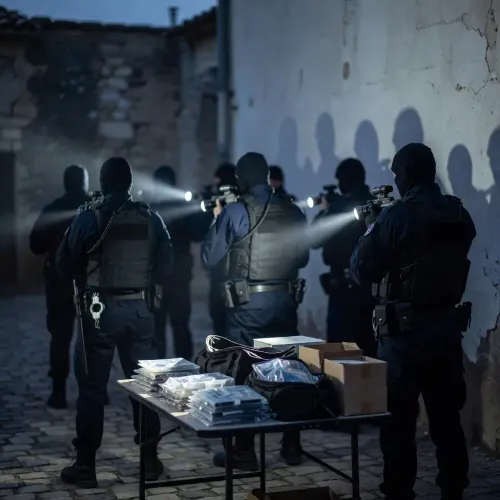
Days after the deportation of wanted gangster Gurwinder Singh alias Afridi from Ethiopia marked a headline moment in Punjab's war on organised crime, the state's enforcement machine has struck again — this time on home soil. The Anti-Gangster Task Force (AGTF) Punjab, operating in a joint operation with Tarn Taran Police, apprehended five key operatives of a criminal network and seized 11 illegal pistols along with 191 live cartridges, the Chief Minister's Office of Punjab announced on Monday, 16 November 2026.
Five arrests and 11 pistols: what the Tarn Taran raid uncovered
The joint operation between AGTF and Tarn Taran district police resulted in the arrest of five individuals described as key operatives within an organised criminal syndicate. Alongside the 11 pistols, investigators recovered 191 live cartridges from their possession — a haul that speaks to an active, armed module rather than a dormant cell. Tarn Taran, situated along Punjab's sensitive border belt, has historically been a transit corridor for weapons moving into and through the state.
The CMO's official post framed the operation explicitly as a 'major follow-up' to the Afridi deportation, signalling that authorities view these arrests as threads of the same criminal fabric. The recovery of live ammunition alongside illegal firearms suggests the network was operationally ready, not merely in possession of unloaded weapons.
The Afridi deportation that set this chain in motion
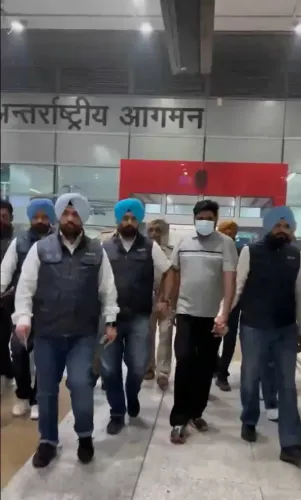
The latest arrests flow directly from the successful deportation of Gurwinder Singh alias Afridi from Ethiopia — a cross-continental extradition effort that underlined how far Punjab's enforcement reach has extended since Chief Minister Bhagwant Singh Mann took office in 2022. Mann's government launched a sustained, structured crackdown on gangster networks soon after assuming power, creating specialised units like the AGTF and pursuing fugitives who had made foreign soil their refuge. The Afridi case was held up internally as proof that geography is no longer a barrier.
That deportation appears to have generated intelligence — names, locations, links — that fed directly into Monday's ground operation. It is a pattern Punjab Police has used before: a high-profile arrest or extradition cracks open a network, and actionable leads follow quickly.
Punjab's sustained crackdown on cross-border criminal modules
Punjab's anti-gangster drive has been defined by repeated joint operations targeting syndicates connected to arms smuggling, extortion rackets, and drug-linked violence — particularly in border and rural districts. The AGTF was specifically constituted to cut across jurisdictional lines, allowing it to operate with Tarn Taran Police one day and a different district force the next, depending on where intelligence leads.
The recovery of illegal weapons remains the most visible metric of this campaign. Each cache seized disrupts the operational capacity of whichever module held it, and prosecutors can build arms-trafficking cases around recoveries even when higher-level conspirators remain at large. With five arrests now in custody and 191 cartridges off the street, investigators will be under pressure to trace the supply chain — where the weapons came from, who financed the network, and whether further operatives remain active in the region.
Punjab's crackdown is producing results at both ends of the criminal chain — extraditions from abroad and arrests at home. The harder question now is whether the arms pipeline feeding these networks can be permanently severed, or whether fresh modules will reconstitute themselves faster than the task force can dismantle them.
Point of View
Not a dormant one, which raises the stakes for investigators who must now trace the supply chain upstream. Politically, each arms seizure reinforces the government's core law-and-order narrative ahead of any future electoral cycle in a state where crime and security remain potent voter concerns. The durability of this model, however, will be tested by whether replacement modules emerge as quickly as existing ones are dismantled.
NationPress
16 Nov 2026
Frequently Asked Questions
Who is Gurwinder Singh alias Afridi and why was he deported from Ethiopia?
Gurwinder Singh alias Afridi is a wanted gangster whose deportation from Ethiopia was secured by Punjab Police as part of the state's intensified drive against organised crime. His deportation is cited as the trigger for intelligence that led to the latest arrests of five operatives in Tarn Taran.
What did Punjab AGTF recover in the Tarn Taran operation?
The Anti-Gangster Task Force Punjab, in a joint operation with Tarn Taran Police, recovered 11 illegal pistols and 191 live cartridges from five arrested operatives of an organised criminal network.
What is the Anti-Gangster Task Force (AGTF) Punjab?
The AGTF is a specialised Punjab Police unit created to dismantle organised criminal syndicates. It operates across district boundaries, frequently conducting joint operations with local police forces to target arms smuggling, extortion, and drug-linked crime networks.
How has CM Bhagwant Mann tackled gangsters in Punjab?
Since taking office in 2022, Chief Minister Bhagwant Singh Mann directed a sustained crackdown on gangster networks, including the formation of specialised units like the AGTF and the pursuit of fugitives abroad through extraditions. The campaign has resulted in multiple arms recoveries and high-profile arrests.
Why is Tarn Taran a focus of Punjab anti-crime operations?
Tarn Taran is a border district that has historically served as a corridor for arms and contraband smuggling into Punjab. Its proximity to the international border makes it a recurring site for enforcement action targeting illegal weapons networks.