Punjab Bachao campaign: Women urge Sukhbir Badal to end drug menace first
Synopsis
At every door Sukhbir Badal knocked in Gidderbaha, the answer was the same: fix the drug crisis first. The 'Punjab Bachao' campaign's opening day exposed the depth of public anger over synthetic drugs, welfare rollbacks, and joblessness — the exact vulnerabilities the SAD hopes to exploit as it rebuilds ahead of Punjab's next assembly election.
Key Takeaways
Sukhbir Badal launched the 'Punjab Bachao' door-to-door campaign in Gidderbaha on 6 October 2026 to gather public input for the SAD election manifesto.
Residents, especially women, demanded that eliminating 'chitta' (synthetic drugs) be the top priority of any future SAD government.
Badal promised a law denying bail in drug cases for 10 years and seizure of properties of convicted drug traffickers.
He pledged 50 kg of wheat at ₹4 per kg and pulses at ₹20 per kg under a restored 'aata-daal' scheme.
Badal committed to filling 3 lakh vacant government posts within one year of the SAD forming government.
He proposed making the party manifesto a legally binding document to ensure political accountability.
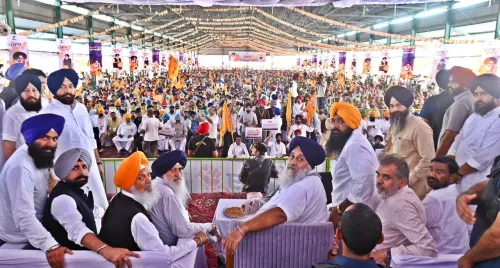
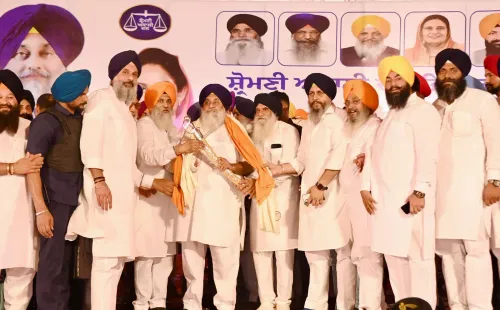
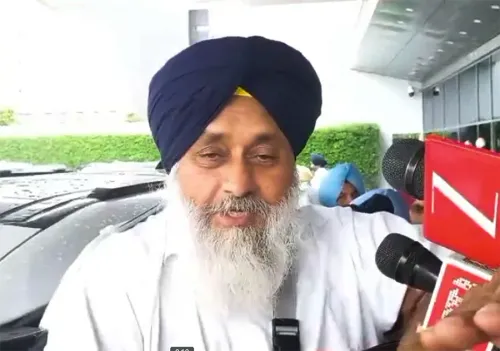
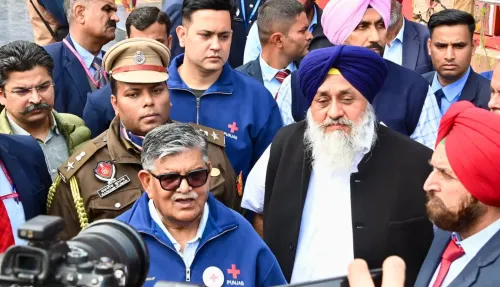
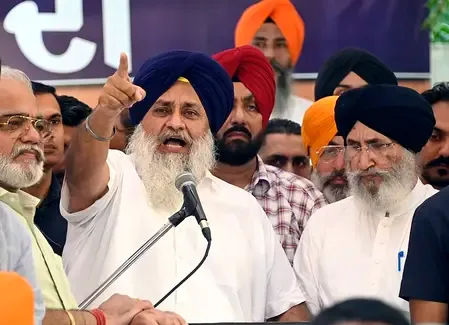
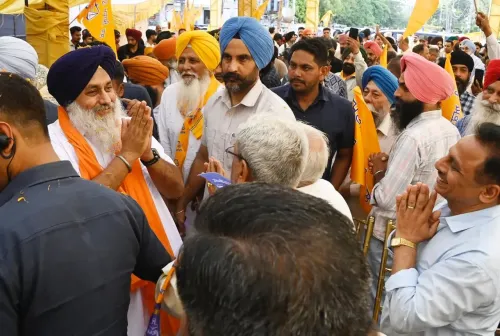
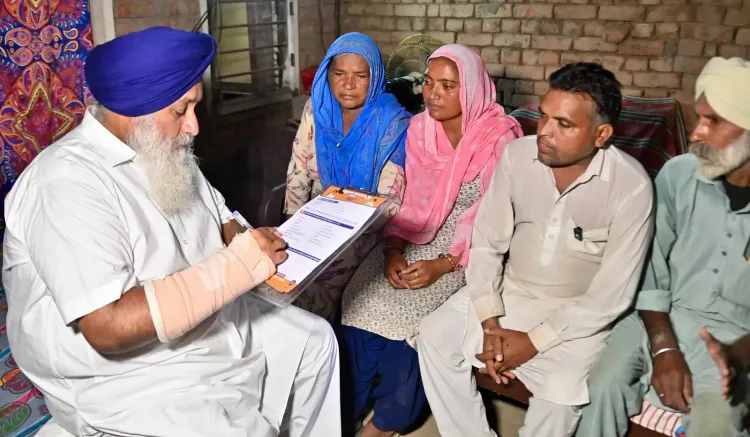
Shiromani Akali Dal (SAD) President Sukhbir Badal on Tuesday, 6 October kicked off the party's door-to-door 'Punjab Bachao' campaign in Gidderbaha, canvassing households to gather public input for the party's upcoming election manifesto. At nearly every doorstep, residents — particularly women — made one demand clear: eliminate the drug menace before anything else.
What Residents Are Saying
At one household, Amandeep Kaur acknowledged SAD's past development record but insisted the party must prioritise drug eradication above all else. At another home, Ginder Kaur said Punjab could only progress if 'chitta' — a locally used term for synthetic drugs — was completely eliminated from the state.
Women across several households described how young people were allegedly falling prey to addiction, and claimed that neither the previous Indian National Congress (Congress) government nor the current Aam Aadmi Party (AAP) government had taken meaningful action to curb the menace. They also alleged that those raising concerns about drug abuse were being targeted, effectively silencing would-be whistle-blowers.
What Sukhbir Badal Promised
Badal assured residents that tackling drug abuse would be among the highest priorities of a future SAD government. He announced that a new law would deny bail in drug-related cases for 10 years and that the properties of convicted drug traffickers would be seized. This comes amid long-standing criticism of all major political formations in Punjab over their handling of the drug crisis — a charge that has dogged both the Congress and the AAP since the SAD lost power in 2017.
Welfare Concerns and Economic Promises
Residents also raised broader welfare grievances. Angrej Kaur complained that wheat entitlements under social welfare schemes had been reduced, while others pointed to rising prices of cooking gas and sugar. Women further alleged that the Mahatma Gandhi National Rural Employment Guarantee Act (MNREGA) scheme had been curtailed over recent years.
Responding to these concerns, Badal announced that a future SAD government would supply 50 kg of wheat at ₹4 per kg and pulses at ₹20 per kg under a restored 'aata-daal' scheme. He also pledged to fill 3 lakh vacant government posts within one year of assuming office, and to grant ownership rights to residents of houses located within village 'lal dora' areas.
The 'People's Manifesto' Vision
Informing residents that party leaders and workers would compile feedback for the election manifesto, Badal said the SAD wanted to prepare what he called a 'people's manifesto' — one that, he argued, should carry the status of a legal document so that political parties can be held accountable for implementing their promises. The idea of a legally binding manifesto is a recurring demand in Indian electoral discourse, though no statutory framework for it currently exists.
Notably, this outreach campaign comes as the SAD looks to rebuild its political standing after a series of electoral setbacks in Punjab. Whether the grassroots feedback translates into credible policy commitments will likely determine how voters assess the party's revival effort.
Point of View
And SAD itself governed the state for a decade during which the crisis arguably deepened — making Badal's tough-on-drugs pledges vulnerable to the same scrutiny he now directs at the AAP and Congress. The legally-binding-manifesto proposal is a populist framing device: no enforcement mechanism exists in Indian law, and no court has compelled a government to implement manifesto promises. The real question is whether voters in Gidderbaha and beyond trust the messenger, not just the message.
NationPress
6 Oct 2026
Frequently Asked Questions
What is the SAD 'Punjab Bachao' campaign?
It is a door-to-door public outreach drive launched by Shiromani Akali Dal President Sukhbir Badal on 6 October 2026, starting in Gidderbaha, to gather citizen feedback for the party's election manifesto. The campaign aims to build what Badal has called a 'people's manifesto' that reflects grassroots concerns.
What did women residents demand from Sukhbir Badal?
Women in Gidderbaha demanded that eradicating the drug menace — particularly synthetic drugs locally called 'chitta' — should be the SAD's top priority. They also called for restored welfare benefits, more employment for youth, and the revival of curtailed MNREGA activity.
What did Sukhbir Badal promise on the drug issue?
Badal promised that a future SAD government would introduce a law denying bail in drug-related cases for 10 years and would seize the properties of convicted drug traffickers. He assured residents that tackling drug abuse would be among the highest priorities of his government.
What welfare and employment promises did Badal make?
Badal pledged to supply 50 kg of wheat at ₹4 per kg and pulses at ₹20 per kg under a restored 'aata-daal' scheme, fill 3 lakh vacant government posts within one year of taking office, and grant ownership rights to residents living in village 'lal dora' areas.
What is the idea of a 'legally binding manifesto' that Badal mentioned?
Badal proposed giving the election manifesto the status of a legal document so political parties can be held accountable for promises they make. However, no statutory framework currently exists in India to enforce manifesto commitments, making this more of a political pledge than a formal legal mechanism.