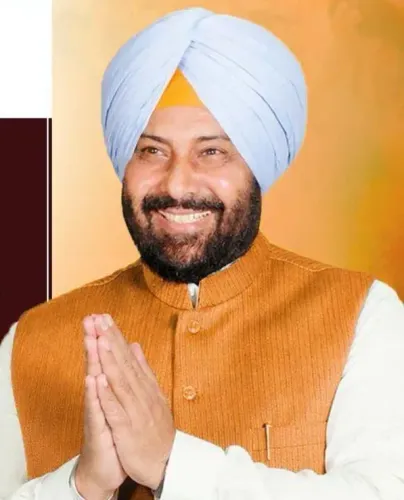
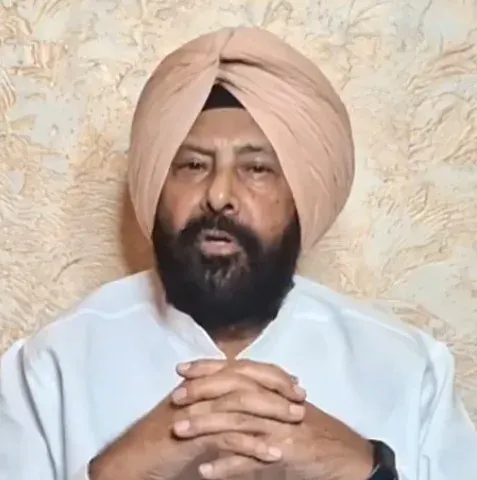
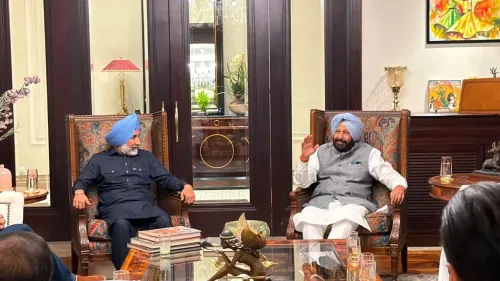
Punjab BJP slams AAP for passing 9 bills in one day, calls it democratic insult
Synopsis
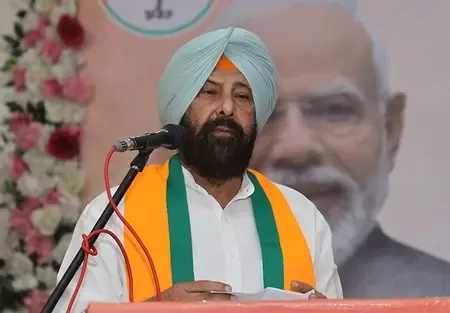
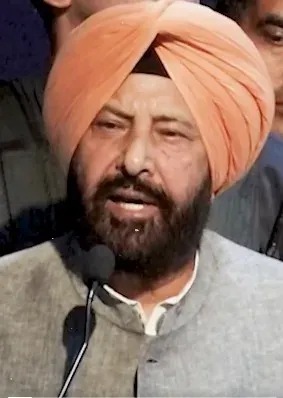
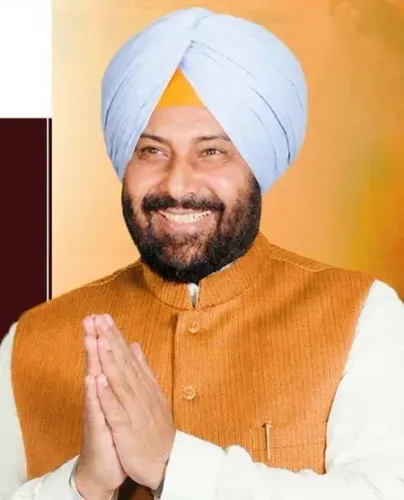
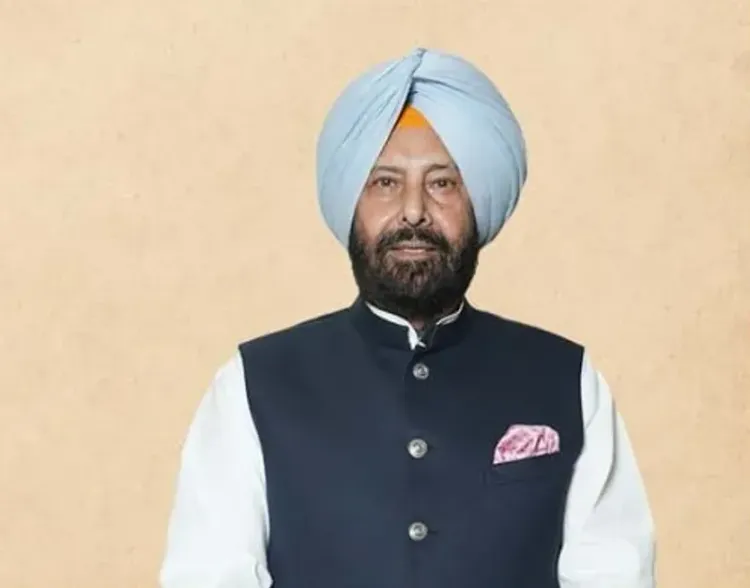
Punjab BJP chief Kewal Singh Dhillon has accused the AAP government of turning legislative haste into standard practice — passing nine bills on the final day of the Assembly session without adequate debate. He invoked the Guru Granth Sahib Act controversy, where ministers admitted at the Akal Takht they had not even read the law they passed, as proof that this is a pattern, not a one-off.
Key Takeaways
Punjab BJP President Kewal Singh Dhillon attacked the AAP government on 10 August for passing nearly nine bills on the last day of the Assembly session.
Dhillon called the move a 'gross insult' to the legislative system and democracy, terming it an arrogant display of majority power.
He alleged that key decisions for Punjab are taken in Delhi , reducing the state Assembly to a rubber-stamp body.
He cited the Jagat Jyot Sri Guru Granth Sahib Satkar Amendment Act , where ministers admitted before the Akal Takht they had not read the legislation before passing it.
The bills are expected to move toward gubernatorial assent; the AAP government has not yet formally responded to the allegations.
Punjab Bharatiya Janata Party (BJP) President Kewal Singh Dhillon on Monday, 10 August launched a sharp attack on the Aam Aadmi Party (AAP) government for introducing and passing nearly nine bills on a single day — the final day of the state Assembly session — calling it a gross insult to the legislative process and democratic norms.
What Dhillon Said
Dhillon argued that pushing through legislation with far-reaching consequences for Punjab's citizens, without giving legislators adequate time to read, comprehend, or deliberate, amounted to an arrogant display of majority power rather than genuine law-making. 'The job of the Assembly is not to stamp every decision brought by the government unthinkingly,' he said, 'but to hold detailed discussions, scrutiny and deliberations on every Bill in the public interest.'
He questioned how any legislator could meaningfully read, understand, and then explain nine bills — introduced and passed on the same day — to their own constituents.
The 'Remote Control' Allegation
The BJP state chief alleged that under the AAP dispensation, critical decisions are taken in Delhi while their implementation is carried out in Punjab, reducing the state's Legislative Assembly to little more than a rubber-stamp office. He asserted that legislators have every right to be fully informed about laws governing their own state, rather than being coerced into consent without having read the legislation.
Guru Granth Sahib Act: A Pattern of Haste
Dhillon specifically cited the Jagat Jyot Sri Guru Granth Sahib Satkar Amendment Act as evidence of a recurring pattern. He recalled that government ministers and legislators had subsequently admitted before the Akal Takht that they had given their consent to that law without fully reading or understanding it. Rather than treating that episode as a cautionary lesson, Dhillon alleged, the AAP government had effectively institutionalised the same flawed approach.
Impact on Opposition and Citizens
Dhillon argued that ramming through a series of bills on the last day of the session not only undermined the rights of the Opposition but also eroded every Punjab citizen's right to know and understand the laws being enacted in their name. Critics argue this practice concentrates legislative authority in the executive, bypassing the scrutiny function that state assemblies are constitutionally designed to perform.
What Comes Next
The AAP government is yet to formally respond to BJP's accusations. With the Punjab Assembly session now concluded, the bills passed on 10 August are expected to move toward gubernatorial assent. Opposition pressure may mount for a special session or committee review of the legislation before implementation.
Point of View
It set a verifiable benchmark for institutional failure. The BJP's critique is politically motivated, but the underlying concern — that executive dominance is hollowing out state legislatures — is a structural problem that cuts across party lines. If the AAP government does not respond with a substantive defence of the bills' content and necessity, the narrative of 'Delhi remote control' will only harden ahead of the next electoral cycle in Punjab.
NationPress
25 Sept 2026
Frequently Asked Questions
Why is Punjab BJP criticising the AAP government over the Assembly session?
Punjab BJP President Kewal Singh Dhillon has criticised the AAP government for introducing and passing nearly nine bills on the final day of the Assembly session on 10 August, arguing that legislators were not given adequate time to read, understand, or debate the legislation. He called it a subversion of democratic and legislative norms.
How many bills did the Punjab government pass in a single day?
The AAP government in Punjab reportedly passed nearly nine bills on a single day during the last day of the state Assembly session. BJP has called this an unprecedented act of legislative haste.
What is the Jagat Jyot Sri Guru Granth Sahib Satkar Amendment Act controversy?
The Jagat Jyot Sri Guru Granth Sahib Satkar Amendment Act was a law passed by the AAP government that became controversial when ruling-party ministers and legislators admitted before the Akal Takht that they had given consent without fully reading or understanding the legislation. BJP's Dhillon cited this as evidence of a recurring pattern of hasty law-making.
What is the BJP's allegation about Delhi controlling Punjab?
BJP state chief Kewal Singh Dhillon alleged that under the AAP government, key decisions for Punjab are taken in Delhi — implying by AAP's central leadership — while implementation is left to the state. He said this reduces the Punjab Legislative Assembly to a rubber-stamp body rather than an independent voice of the people.
What happens next with the bills passed during the Punjab Assembly session?
The bills passed on 10 August are expected to proceed toward the Punjab Governor's assent before becoming law. The AAP government has not yet formally responded to BJP's allegations, and opposition pressure may build for a committee review or special session to scrutinise the legislation.