What Amendments Has the Punjab Cabinet Made to Land Revenue Laws?
Synopsis
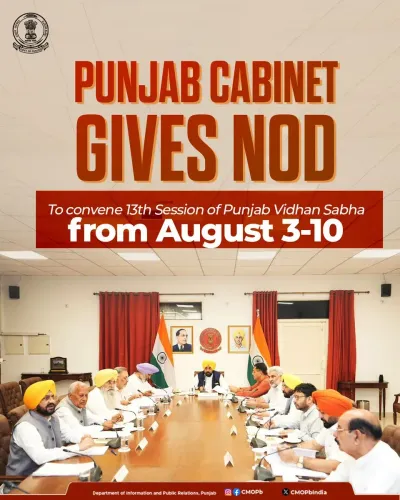
The Punjab Cabinet, under Chief Minister Bhagwant Mann, has approved key reforms aimed at streamlining citizen interactions with the government. From land revenue law amendments to establishing new administrative divisions, these initiatives focus on fostering a more efficient governance framework.
Key Takeaways
Amendments to land revenue laws aimed at modernization.
New administrative divisions created for better governance.
Digital records will enhance transparency and efficiency. e-services portal facilitates online applications.
Support for Special Teacher Educators ensures continuity in education.
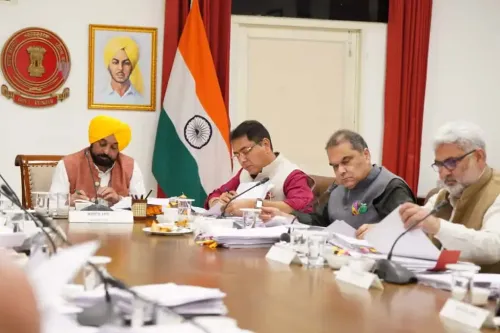
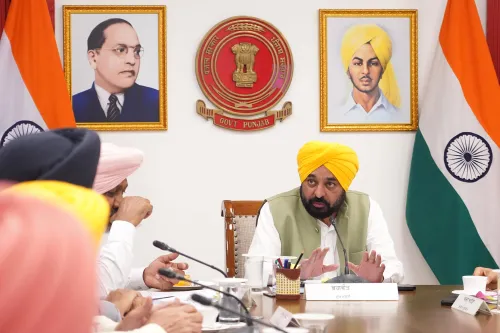
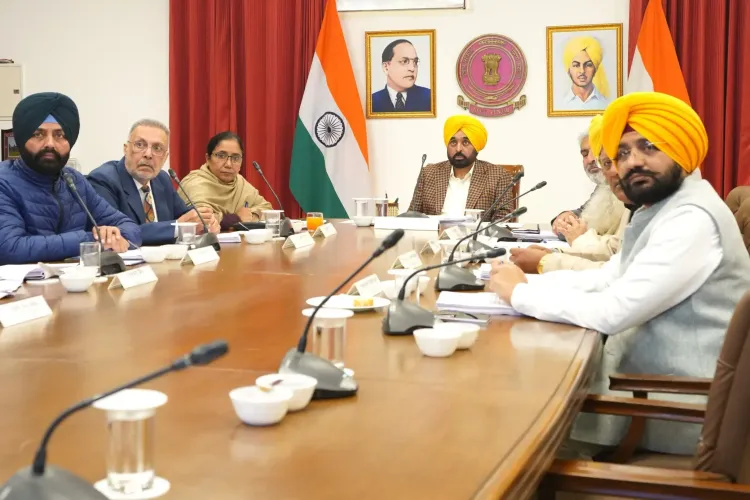
Chandigarh, Dec 29 (NationPress) The Punjab Cabinet, led by Chief Minister Bhagwant Mann, has taken significant steps towards administrative and governance reforms that aim to simplify the way citizens interact with the government.
The Cabinet has also sanctioned the elevation of Banur to a tehsil in Mohali district, established Hariana as a new sub-tehsil in Hoshiarpur, and introduced amendments to update land revenue laws through digital records. Additionally, long-awaited relief for Special Teacher Educators under Samagra Shiksha was granted, highlighting a distinct transition towards a governance model focused on serving citizens.
According to the Chief Minister's Office, these initiatives are expected to greatly improve access to administrative services for residents and minimize the necessity for long-distance travel for routine governmental tasks. These measures have been implemented in the public's interest to ensure quicker and more user-friendly service delivery.
In a notable update, the Cabinet has approved alterations to the Punjab Land Revenue Act, 1887, specifically regarding the appeals process.
The reforms aim to diminish unnecessary litigation, conserve time for litigants, and mitigate avoidable hardships for non-litigants. These amendments will also provide legal recognition to digital records and signatures, thereby enhancing citizen-friendly, paperless record management and promoting transparency in land administration.
The Cabinet acknowledged that the government has already initiated an e-services portal designed to streamline land-related processes.
This platform allows citizens to apply online for Khangi Taqseem (family partition) by entering basic information with just a single click.
This initiative is set to enhance land demarcation, amicably resolve disputes, facilitate land transactions, ensure timely compensation for crop damages, and simplify the acquisition of Zamabandi copies.
The Cabinet also granted a one-time extension in the upper age limit for contractual Special Teacher Educators under the Samagra Shiksha Abhiyaan, allowing for their regularization within the Department of School Education.
This resolution will support the continuity of inclusive education for special needs children by retaining trained and experienced educators.
The Cabinet clarified that this initiative will not impose any extra financial burden on the state budget.
Point of View
I see these amendments as a significant step forward for Punjab's governance. They reflect a commitment to transparency and efficiency, ultimately fostering a more citizen-centric approach. It's vital that such reforms continue to prioritize public welfare and ensure that the government is accessible to all.
NationPress
30 Sept 2026
Frequently Asked Questions
What are the key reforms introduced by the Punjab Cabinet?
The Punjab Cabinet has introduced several reforms including the amendment of land revenue laws, the elevation of Banur to a tehsil, and the establishment of Hariana as a new sub-tehsil.
How will these reforms impact citizens?
These reforms aim to simplify administrative processes, making it easier for citizens to access government services without extensive travel.
What is the significance of the e-services portal?
The e-services portal allows citizens to handle land-related applications online, streamlining processes like family partition and reducing paperwork.
Will the amendments to the Punjab Land Revenue Act affect litigation?
Yes, the amendments aim to reduce unnecessary litigation and provide legal recognition to digital records, enhancing efficiency and transparency.
Is there a financial burden from the new measures?
No, the Cabinet has clarified that these initiatives will not impose any additional financial burden on the state exchequer.