Punjab farmers retreat from Shambhu border after Haryana accepts key demands
Synopsis
Punjab farmers who had blocked the Shambhu border over the proposed India-US trade deal began retreating on 21 July after Haryana accepted both their demands — releasing detained leaders including BKU chief Gurnam Singh Charuni and promising a meeting with Union Agriculture Minister Shivraj Singh Chouhan within ten days. The standoff is paused, not resolved; the trade deal remains the fault line.
Key Takeaways
Hundreds of Punjab farmers retreated from the Shambhu border on 21 July after Haryana accepted their core demands.
Haryana Agriculture Minister Shyam Singh Rana promised a meeting with Union Minister Shivraj Singh Chouhan within 7–10 days .
Detained BKU (Charuni) chief Gurnam Singh Charuni was released following intervention by Minister Rana.
Farmers oppose the proposed India-US trade deal , arguing cheaper agricultural imports will harm farmers and farm labourers.
The protest was organised under the 'Desh Bachao Morcha' banner ahead of a Kisan Mahapanchayat in Delhi.
Security remains heightened at Singhu , Ghazipur , and Tikri borders; farm unions warn of fresh agitation if talks do not materialise.
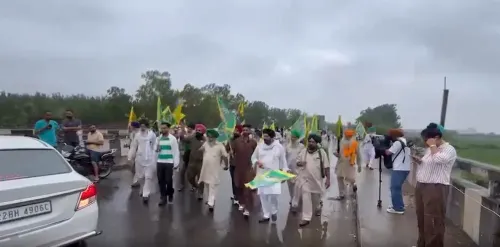
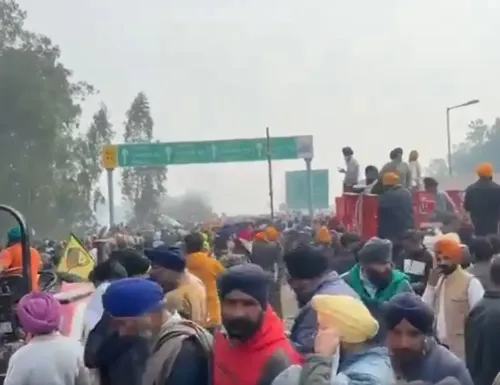
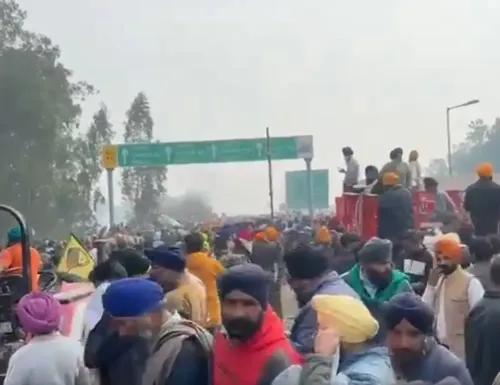
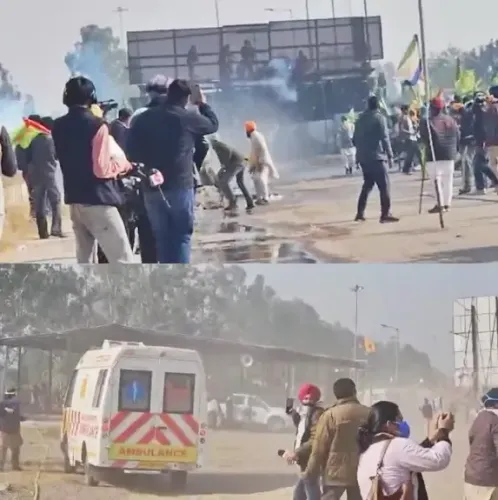
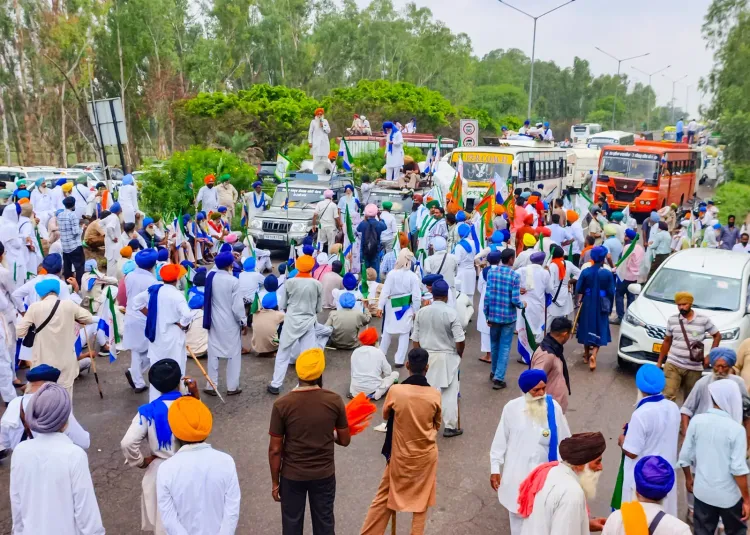
Hundreds of Punjab farmers who had gathered at the Shambhu border since early Tuesday, 21 July began retreating to their homes after the Haryana government accepted two core demands: the release of detained farm leaders and a commitment to arrange a meeting with Union Agriculture Minister Shivraj Singh Chouhan within a week to ten days over concerns about the proposed India-US trade deal.
What Broke the Deadlock
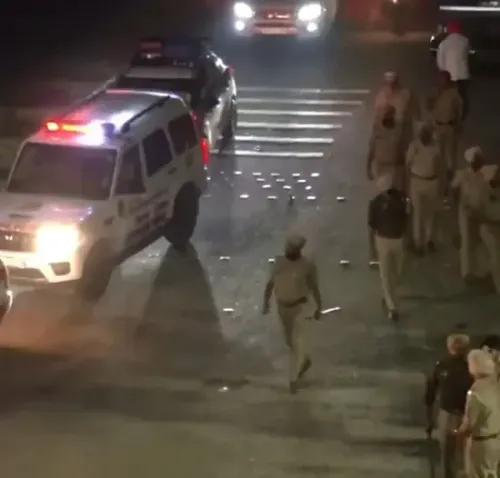
Haryana Agriculture Minister Shyam Singh Rana met farm leaders, including Swarna Singh Pandher, at the heavily barricaded Shambhu border amid a significant security presence. Rana accepted the farmers' memorandum and assured them he would facilitate talks with the Union Agriculture Minister — or whichever central government representative is designated — within seven to ten days.
On the release of BKU (Charuni) chief Gurnam Singh Charuni, who had been detained by Haryana Police earlier in the day, Rana said he would speak to the Chief Minister and ensure a resolution by the same evening. Minister Rana added that he would forward the farmers' demands to the appropriate authorities for resolution.
Farmers' Response on the Ground
Farmer leader Tezveer Singh told reporters: 'All our leaders have been released, so we have decided to break the deadlock and march back. Now we are heading back. We have opened the roads now, and we are peacefully marching back towards our homes.'
Pandher confirmed after the meeting that the Agriculture Minister had accepted the memorandum and pledged to arrange talks with the Union minister. Farmers had travelled to the Shambhu border — located in Patiala district, roughly 12 km from Haryana's Ambala city — by bus and private vehicles, deliberately avoiding tractor-trailers to signal a peaceful intent.
Why Farmers Marched: The India-US Trade Deal
The protest was organised under the banner of 'Desh Bachao Morcha' ahead of a Kisan Mahapanchayat in Delhi. Farm leaders argue that the proposed India-US trade agreement, by permitting cheaper agricultural imports into India, would adversely affect farmers, farm labourers, and the broader agricultural economy. Security was also tightened at the Singhu, Ghazipur, and Tikri borders to prevent the march from reaching the national capital.
One protester at the Shambhu border articulated the mood: 'We are carrying the flag of our farmers' organisation and a stick. Why is the government feeling fearful of us? We are not carrying any weapons. Why were we stopped from moving forward?'
Political Reaction
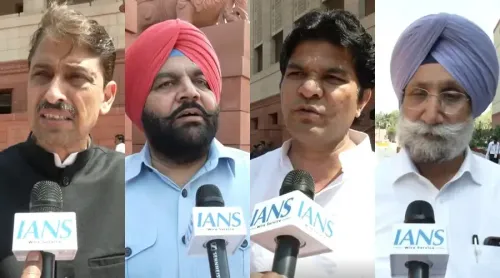
Congress leader Randeep Singh Surjewala criticised the Haryana Police's handling of the march. 'The way in which the farmer brothers are being forcibly stopped at the Shambhu border is utterly wrong. The Modi government's cycle of repression, unchecked tyranny, and chains of coercion could neither stop the farmers in the past nor will it be able to stop them now,' he said.
What Happens Next
With the immediate standoff resolved, the focus shifts to whether the Centre follows through on the promised meeting within the stipulated timeframe. Farm unions have made clear that if the talks do not materialise, fresh agitation remains on the table. The proposed India-US trade deal — still under negotiation — is likely to remain a flashpoint for agrarian politics in the months ahead.
Point of View
Farmer anxiety over the India-US trade deal and what cheaper agricultural imports could mean for rural livelihoods, has not been addressed. The Centre has yet to publicly clarify its position on agricultural carve-outs in the trade negotiations. Until it does, the Shambhu retreat is a pause, not a resolution, and the next flashpoint is already visible on the horizon.
NationPress
22 Jul 2026
Frequently Asked Questions
Why did Punjab farmers protest at the Shambhu border?
Punjab farmers marched to Delhi to attend a Kisan Mahapanchayat opposing the proposed India-US trade deal, which they argue will allow cheaper agricultural imports and harm farmers, farm labourers, and the agricultural economy. They were stopped by Haryana Police at the Shambhu border in Patiala district on 21 July.
What demands did the Haryana government accept?
Haryana Agriculture Minister Shyam Singh Rana accepted two demands: the release of detained farm leaders, including BKU (Charuni) chief Gurnam Singh Charuni, and a commitment to arrange a meeting between farmers and Union Agriculture Minister Shivraj Singh Chouhan within seven to ten days.
Who is Gurnam Singh Charuni and why was he detained?
Gurnam Singh Charuni is the chief of BKU (Charuni), a prominent farmers' union. He was detained by Haryana Police on 21 July as authorities moved to prevent the farmer march from reaching Delhi. He was subsequently released following assurances given by Minister Rana.
What is the 'Desh Bachao Morcha' and what is the Kisan Mahapanchayat?
The Desh Bachao Morcha is the umbrella organisation under which the protest march was organised. The Kisan Mahapanchayat was a planned farmers' rally in Delhi aimed at voicing opposition to the proposed India-US trade deal and its potential impact on Indian agriculture.
What happens next after the farmers retreated?
The immediate standoff at Shambhu has ended, but farm unions are awaiting the promised meeting with Union Minister Shivraj Singh Chouhan within ten days. If the Centre does not follow through, farmer leaders have indicated fresh agitation remains on the table.