CM Himanta Thanks Army, Air Force, NDRF in Assam Flood Ops
Synopsis
Assam Chief Minister Himanta Biswa Sarma on 22 July 2026 publicly thanked the Indian Army, Air Force, and NDRF for their round-the-clock rescue efforts during the state's monsoon flood emergency, as security personnel work to evacuate residents from inundated riverine districts across the Brahmaputra and Barak valleys.
Key Takeaways
CM Himanta Biswa Sarma expressed gratitude to the Indian Army , Indian Air Force , NDRF , and other security personnel on 22 July 2026 .
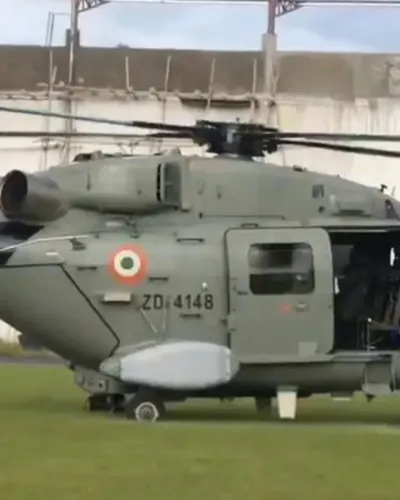
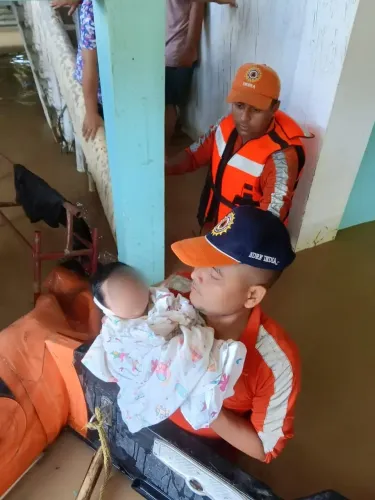
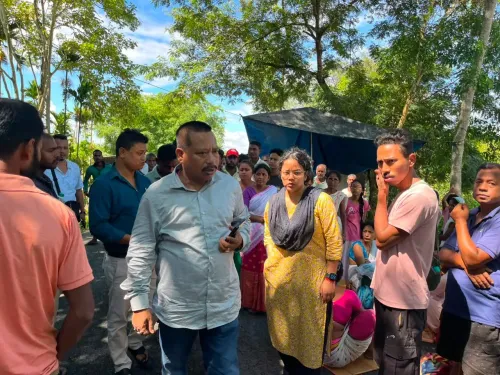
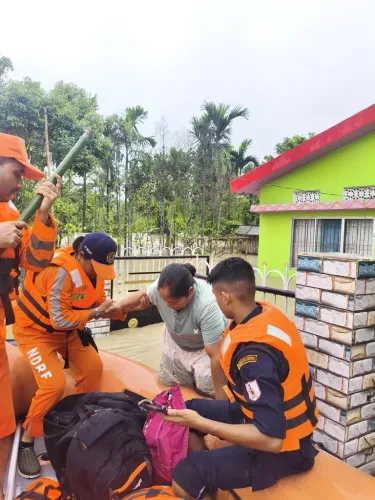
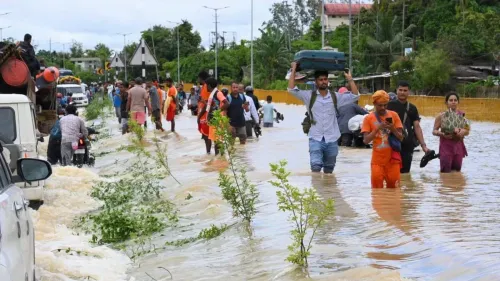
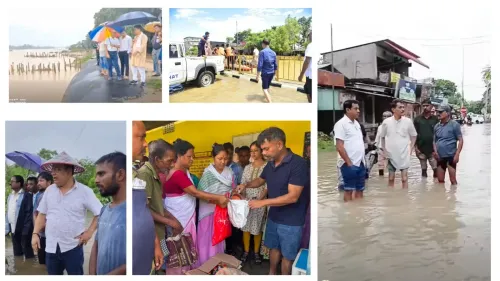
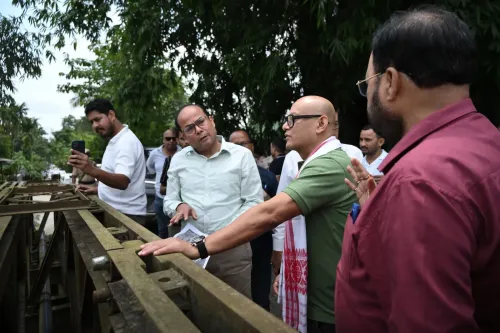
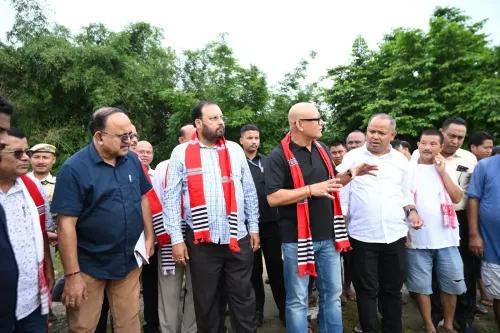
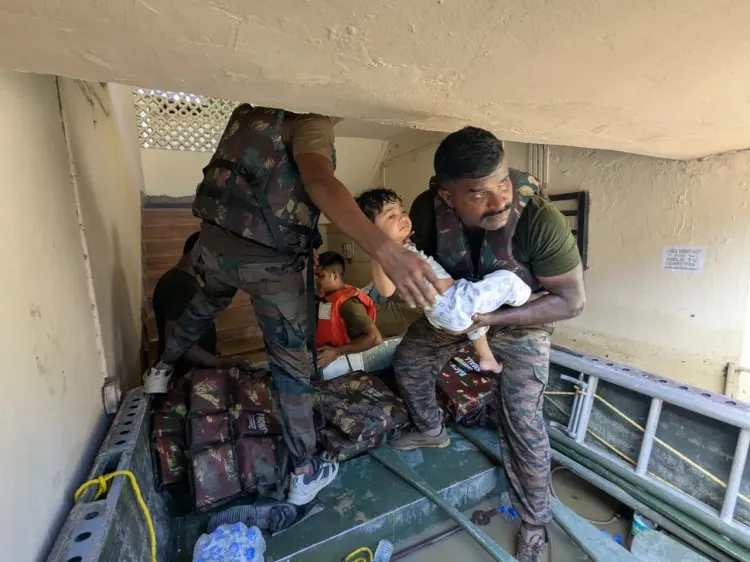
The acknowledgement came with four images of active rescue and relief operations shared on X.
Flood operations in Assam are governed by the Disaster Management Act, 2005 , enabling coordinated state-centre deployments.
The Indian Air Force conducts helicopter sorties for aerial evacuation and supply drops in inundated districts.
Assam is among India's most flood-prone states, with the Brahmaputra river system regularly displacing lakhs of residents each monsoon season.
Post-rescue focus is expected to shift to rehabilitation packages and possible additional requests to the Ministry of Home Affairs .
Assam Chief Minister Himanta Biswa Sarma on Wednesday, 22 July 2026 expressed gratitude to the Indian Army, Indian Air Force, NDRF, and all other security personnel deployed in the state, acknowledging their ongoing efforts to rescue and evacuate people to safety during the current flood emergency.
Context
Writing on X, CM Sarma said, 'We are grateful to our Army, Airforce, NDRF and all other security personnel who are leaving no stone unturned to bring people to safety.' The post was accompanied by four images depicting ground-level rescue and relief operations. The statement comes amid Assam's annual monsoon flood season, when the Brahmaputra and Barak valley rivers routinely breach their banks and displace lakhs of residents across riverine districts.
Policy Backdrop
The coordinated deployment of central forces in Assam during floods is rooted in the Disaster Management Act, 2005, which established the legal framework for NDRF deployment and state-centre coordination during natural disasters. Since at least 2010, every monsoon has seen joint operations involving Army columns, Air Force helicopter sorties for aerial evacuation and supply drops, and NDRF teams pre-positioned across vulnerable districts. Successive Assam governments have institutionalised requests for central armed forces and NDRF battalions as a standard protocol for search, rescue, and relief.
The Indian Air Force typically conducts sorties over inundated zones to airlift stranded residents and deliver essential supplies where road access is cut off. NDRF teams, equipped with inflatable boats and specialised gear, operate in flooded villages alongside local administration and State Disaster Response Force (SDRF) units.
Stakeholders and Impact
The primary beneficiaries of these operations are flood-affected residents of Assam's riverine villages, many of whom face annual displacement during the monsoon months of June through September. The scale of Assam's flood crisis is historically significant — the state is among the most flood-prone in India, with the Brahmaputra being one of the world's largest river systems by discharge. Communities in low-lying districts bear the brunt of inundation, erosion, and loss of livestock and crops each year.
CM Sarma, who also serves as convenor of the North-East Democratic Alliance (NEDA), has consistently maintained visible communication during flood emergencies, using social media to update citizens and acknowledge the contributions of central and state forces deployed on the ground.
What's Next
Attention will now turn to the Assam state government's announcements on post-flood rehabilitation packages and any formal requests to the Ministry of Home Affairs for additional central assistance. Relief camps, restoration of road connectivity, and compensation for crop and property damage are typically the next priorities once the rescue phase stabilises. The pace of river levels receding across the Brahmaputra valley will determine how quickly forces can transition from active rescue to relief distribution and rehabilitation support.
Point of View
Where the absence of visible official response can quickly erode trust. By naming the Army, Air Force, and NDRF individually, Sarma also signals to New Delhi that the state is in active coordination with central agencies, which can strengthen the case for additional relief allocations. The post, backed by four images, suggests the administration is conscious of the optics of on-ground action as much as the substance of relief.
NationPress
22 Jul 2026
Frequently Asked Questions
Why is the Army deployed in Assam floods?
The Indian Army is deployed in Assam during floods under the Disaster Management Act, 2005, which enables state governments to request central armed forces for search, rescue, and relief operations when the scale of a disaster exceeds local capacity.
What does NDRF do during Assam floods?
NDRF teams are pre-positioned in Assam before and during the monsoon season; they conduct boat rescues in inundated villages, evacuate stranded residents, and distribute emergency relief supplies alongside state disaster response units.
What did Himanta Biswa Sarma say about the Assam flood operations?
CM Himanta Biswa Sarma said on 22 July 2026 that the state is grateful to the Army, Air Force, NDRF, and all other security personnel who are 'leaving no stone unturned to bring people to safety.'
Which rivers cause flooding in Assam every year?
The Brahmaputra and Barak rivers are the primary causes of annual flooding in Assam; the Brahmaputra is one of the world's largest river systems and regularly breaches its banks during the June-to-September monsoon season.
What happens after flood rescue operations end in Assam?
After the active rescue phase, the Assam government typically announces rehabilitation packages covering compensation for crop and property damage, restoration of road connectivity, and relief camp operations, and may request additional central assistance from the Ministry of Home Affairs.